


한식에 대한 다채로운 이야기를 전하는 온라인 매거진
Vol 62. YANGNYEOM
The Aesthetics of Experience and Harmony, The World of Marinade
The Wisdom of HANSIK
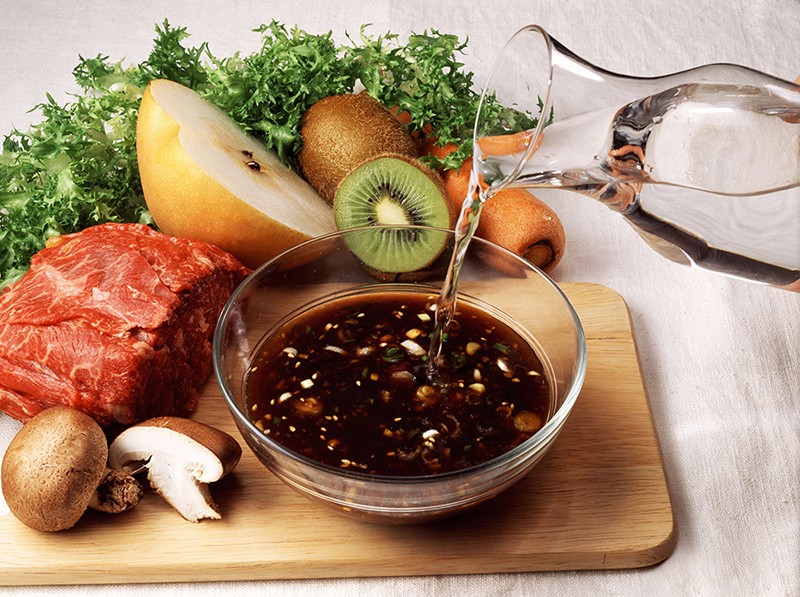
There are dishes that you eat for its flavor even if the ingredients do not offer much taste. And one of them is “yangnyeomjang (marinade).” Can we talk about Korean cuisine without marinade? The meaning of “yangnyeomjang” in the dictionary is “jang with all kinds of seasonings.” However, our marinade contains infinite expandability that cannot be defined in a word. In this article, we will look at the secrets of Korean marinades that become more attractive as we delve deeper.
Article Lee Hyunjoo (The Editorial Team) Sources National Institute of Agricultural Sciences website, ‘“Nongsikpoom Olbaro (Korean Food Composition Database)”, <Yangmyeomjang, the Art of Combination and Proportion> (Rural Development Administration)
Incomparable to sauces
Unlike Western food where sauces are developed, marinades play an important role in Korean cuisine. In the West, wheat, meat, or dairy products are the staple food, and recipes for grilling and boiling have been developed, and liquid-type sauces made with salt and spices have been produced accordingly. On the other hand, the biggest feature of our marinade includes “yangnyeom (seasoning)” and “jang (soy-based sauces)” season food. Our marinade, which is based on traditional fermented foods such as soy sauce, soybean paste, red chili paste, jeotgal (salted seafood), and vinegar, creates a new and profound flavor, depending on the combination of ingredients. As experience and harmony are important, the taste of the sauce that each household prefers is different. Western sauces are commercialized and are often purchased, but most Korean marinades are made at home for this reason.
Another characteristic of the marinade is that it is made by mixing fermented food with fresh ingredients. Fresh ingredients, such as green onions, garlic, and red chilis are combined with soy sauce, red chili paste, and soybean paste to create new flavor. Moreover, there are countless other ingredients used in the marinade, such as ginger, red chili powder, sesame oil, sugar, salt, sesame seeds, pepper, and starch syrup, which create an infinite combination of flavors. Since there is no right answer, anyone can make it according to their palate. On the other hand, this also means that not anyone can make the best flavor.
A challenge, let’s make a marinade
The types of marinade in Korean food can be divided into basic fermented jang, such as soy sauce, red chili paste, soybean paste, salted fish, and vinegar. Soy sauce marinade is often used in various dishes, including braise, stew, stir-fry, grill, and salad. The basic soy sauce marinade is made with soy sauce (65)*, sugar (34), chopped green onion (21), chopped garlic (16), sesame salt (4), sesame oil (6), and water (54). Galbijjim (braised short ribs), bulgogi, dubujorim (braised bean curd), japchae (stir-fried glass noodles and vegetables), gungjungtteokbokki (royal stir-fried rice cake) are the representative dishes that can be made with the soy sauce marinade.
The red chili marinade is made with red chili paste (71), red chili powder (14), soy sauce (25), sugar (29), chopped garlic (26), sesame salt (5), sesame oil (13), salt (3), and water (14). It is mainly used for dishes, such as stir-fry, bibim (mix) and grill, including dwaejigogibokkeum (stir-fried pork), ojingeobokkeum (stir-fried squid), bibimbap, bibimguksu, and tteokbokki (stir-fried rice cake). The soybean paste marinade is made with red chili paste (32), sugar (16), chopped green onion (22), chopped garlic (14), sesame salt (4), and sesame oil (18) with soybean paste (94) as the main ingredient. It can be eaten as ssamjang, or for dishes, such as namul (seasoned greens) and muchim (seasoned salad) made with chamnamul (short-fruit Pimpinella salad), lettuce, or ugeoji (dried Korean cabbage leaves).
The salted seafood marinade is made with salted shrimp (128), chopped green onion (30), chopped garlic (21), and sesame oil (21). It is good for jjigae (stew), bokkum (stir-fry) and jjim (braise) dishes, and as a garnish sauce. If you add it to gyeranjjim (steamed egg), dubujeotgukjjigae (bean curd and salted shrimp jjigae), aehobaknamul (seasoned zucchini), it brings out the dish’s savory flavor. Vinegar marinade can be made simply by mixing vinegar (104), sugar (74), and salt (22). It gives a refreshing taste when making chomuchim (sweet and sour salad), chojeolim (pickled dish), and chobap (vinegar-flavored rice balls).
Among the marinades, the easiest and most frequently made dishes are probably choganjang (vinegar soy sauce) and chogochujang (sweet and sour red chili paste). Choganjang can be made by mixing soy sauce (50), vinegar (50), sugar (40), and water (60) in approximately equal proportions, and chogochujang can be made more flavorful by adding honey (14) to red chili paste (112), vinegar (44), and sugar (30).
When you master how to make basic marinade, let's try making applications. The representative marinades that can be used handily if you make it in advance are bulgogi marinade and pork bulgogi marinade. First, the bulgogi sauce can be made by mixing soy sauce, pear juice, chopped green onion (4 Tbsp), chopped garlic, sugar, cooking wine (2 Tbsp), sesame salt, sesame oil (1 Tbsp), and a little ground pepper. Though it is a “bulgogi marinade,” it can be used for various dishes, including seafood dishes. For the pork bulgogi sauce, mix red chili paste, chopped green onion (3 Tbsp), red chili powder, chopped garlic, sesame oil (2 Tbsp), soy sauce (1 teaspoon), sugar, starch syrup, sesame seeds (1 Tbsp), and ginger juice (1/2 Tbsp). It is good to use not only for pork bulgogi, but also for chicken bulgogi.**
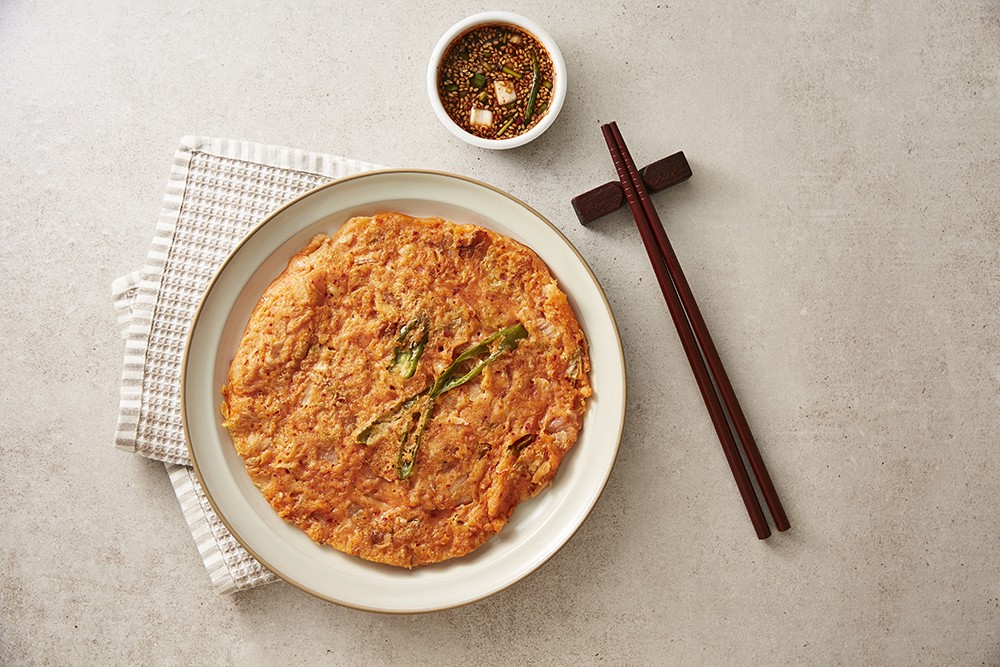
Creating unlimited flavors
Unlike Western food, which is completed with an accurate recipe, there is a saying that Korean food is more about the cook’s experience and skills. Regarding this, there is an analysis that, unlike us, the social status of Western cooks was high, so recipes could be officially recorded and handed down, and master chefs operated their own stores and industrialized cooking early on. However, in other words, it also means that each Korean household has its own unique dishes, and a variety of dishes developed accordingly. What more can we say about Korean marinade that creates new flavors through countless combinations?
Nowadays, there are many commercialized marinades, so you can buy and use almost all marinades you need for cooking. Nevertheless, the reason why there are so many recipe books, TV programs, Internet, and YouTube channels on how to make “secret marinade” is because it is not easy to create a special and creative flavor.
Interestingly, Korean cuisine tastes different each time it is made, depending on the person who makes it, no matter how many times the recipe is followed without error. There is no limit to the yangnyeomjang, the flavors that are created at my fingertips.
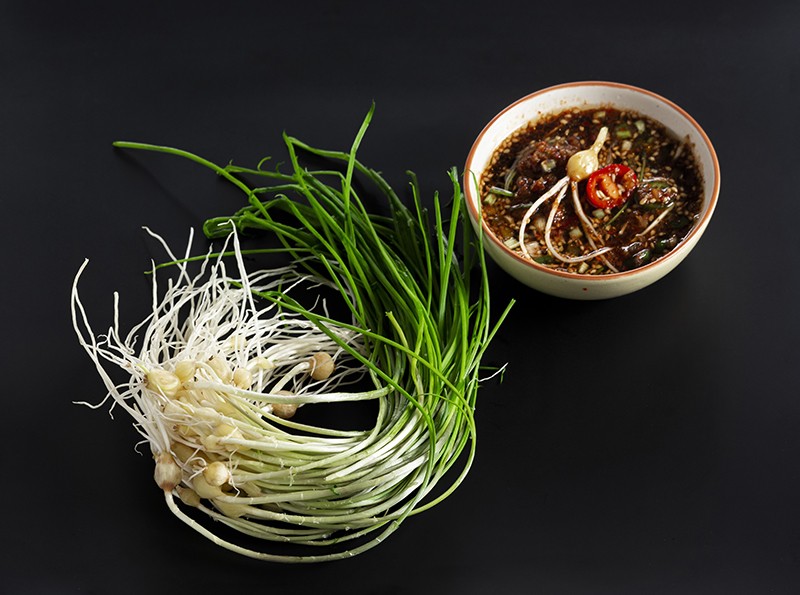
*: All units are based on grams, and are based on making 200 g of marinade. <Source - Rural Development Administration Nongsikpoom Olbaro website (http://koreanfood.rda.go.kr/main)>
**: Refer to <Eating Alone: How to Eat Well and Live Well Series 018>