

한식에 대한 다채로운 이야기를 전하는 온라인 매거진
Vol 61. Mountains and Nature
Mountains are Cornucopia for Korean Food
HANSIK at the Sayings
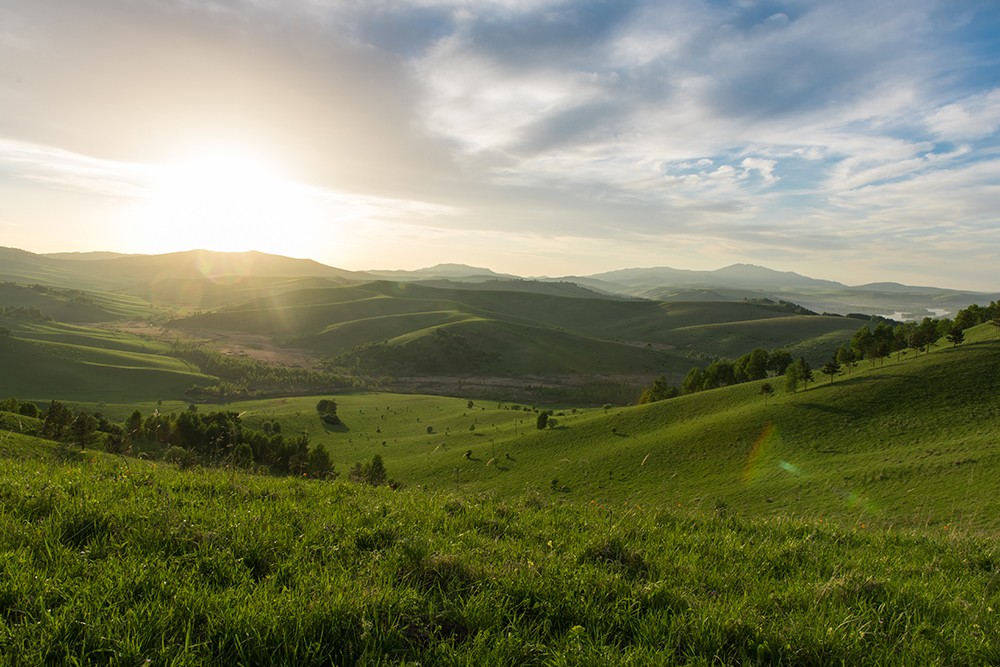
Mountains occupy 70% of our land. Thus, the Korean culture and mountains are deeply related. Mountains are a shelter for humans, and various food ingredients from the mountains become the foundation of Korean food. This article examines the relationship between mountains and people by looking at the proverbs related to food ingredients from the mountains.
Article Cha Yeji (Editorial Team)
Mountains are mountains, water is water
There is a saying that the type of food a person eats describes the person. Various ingredients from the land are the basis of the food that a person eats. The dishes made along the mountain, field, and water routes are also different. In villages near the sea, dishes using seafood are developed, and in villages near mountains, vegetable-oriented dishes are prepared. It must be a culture based on the idea when people do not covet what others have, live on what they can get, and know the roots of food, any ingredient becomes tonic.
The proverb, “A field monk eats salt and a mountain monk eats mountain greens,” means that there is a job that suits each person’s character. Living as one is born with is now an outdated idea because, now, you can easily eat whatever you want. However, eating is still not much different from living. As there is a saying, sintoburi (your body and your birth land) are not separate, but one. If you think about it, isn’t the phrase “eat and live” a combination of “eat” and “live?”
The saying, “A rich man in the mountains is worse than a dog on the beach,” has a similar context. It means that when it comes to eating a fish side dish, rich people in the mountains are worse than dogs on the beach, and no matter how much money you have, you have no choice but to live according to your circumstances. It is also in line with the saying, “Finding fish in trees.” You can't find fish in trees in the mountains.
“Going to gather greens with an axe” means going to gather greens with an ax that is dull and heavy, and is not suitable for picking greens. It is a metaphor for doing something irrational. If you want to collect soft greens in the spring, you need the right tools. It means acting appropriately and knowing one’s place. This alludes to the meaning of keeping one's own dignity that fits the reason of nature by comparing it to a mountain.
Nursing the spirit of the mountain
Greens and vegetables from the mountains may look rougher than those from the fields, but they are famous for their excellent flavor and aroma. Wild greens are in season in the spring, when everything bursts into life. It is the time when the ground that was frozen during the winter thaws, and fragrant spring greens start sprouting. Wild greens infused with the energy of the earth, such as chiwnamul (aster leaves), dureup (fatsia shoots), wonchuri (day lily), chamnamul (short-fruit Pimpinella), gomchwi (ragwort), etc., are gifts from the mountains. The same goes for fruits that are ripe. The tree fruits in the mountains ripen through the energy of earth and the care of trees.
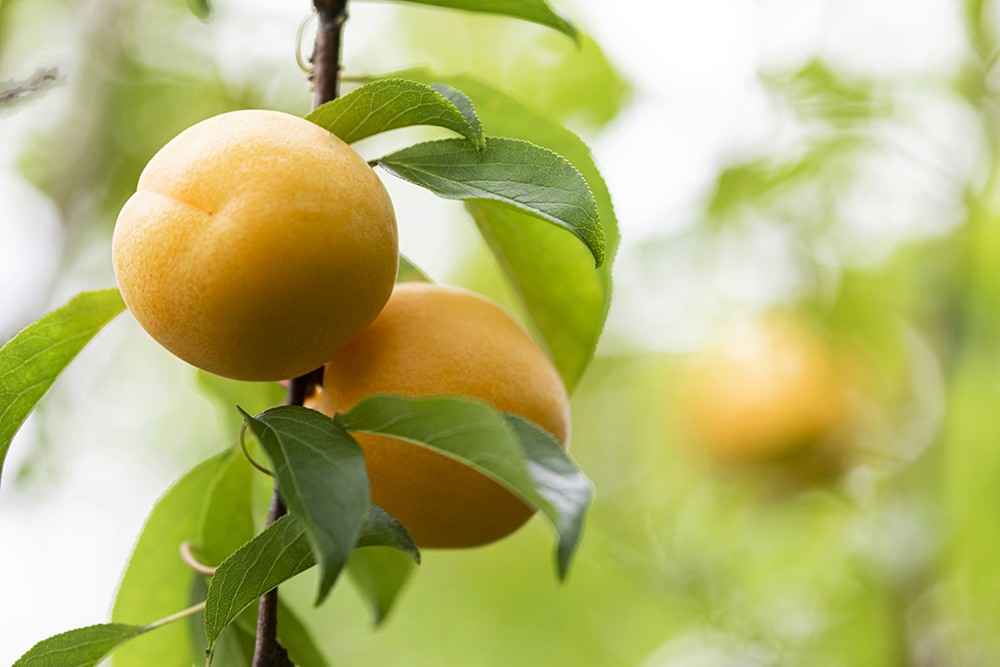
However, it doesn’t mean that all fruits are sweet. The wild apricot called, “mountain apricot,” is the fruit of the Manchurian apricot, a deciduous, broad-leaved tree that grows mainly in sunny areas at the foot of mountains. Wild apricots are egg-shaped, and have an astringent taste. Due to their taste, there are many proverbs related to them. The first one, “Astringency is like a mountain apricot in May” means that you are not friendly and standoffish when it comes to making friends. There are people who make you feel uncomfortable just by looking at them, like astringent mountain apricots. It is a metaphor for a person who cannot get closer to others, and pushes them away like a wild apricot hanging on a single branch.
Mountain apricots are less loved than (real) apricots. Thus, they are often placed on a comparative advantage with apricots. The expression, “mountain apricots burst by themselves” means that mountain apricots, which are tasteless compared to ordinary apricots, ripen, and burst earlier. It is a metaphor mocking a person’s conceited and fussing behavior, or someone who has no ability or lack of discipline. It is also used to scold a person who has learned to do bad things before he or she reaches maturity. Mountain apricots seem to have been hated by our ancestors to the extent that there is an explanation of “a word that metaphorically refers to a foolish person, object, or unpleasant thing” in the Standard Korean Dictionary of the National Institute of Korean Language.
On the other hand, the proverb, “The taste of wild apricot can be acquired” means that if you keep eating sour and bitter wild apricots, you will eventually like them. It is a metaphor that means you may hate it at first, but once you start attaching affection to it, it gradually becomes more likeable. The good or bad side of everything depends on how you look at it, that is, it depends on the subjectivity of the person. If you hate mountain apricots, you will get their astringent taste, but if you attach affection to mountain apricots, you will start liking them even more than common apricots.
Perhaps because they live in rough terrain, animals living in the mountains also have a particularly vicious image. “Taming a mountain chicken is difficult for everyone” means that it is not easy for anyone to tame a chicken living in the mountains. It is a metaphor about how it is very difficult to educate a person who has grown without any manners.
Whether it is an animal or a plant, something grown in the mountains has a strong image. Sometimes, even if danger lurks in the harsh mountains, we eat and live again because of the quality ingredients from the mountains. In the coming spring, how about hiking up a nearby mountain? As the saying, “Everything goes better on a full stomach,” let’s have a hearty meal of healthy Korean dishes made with ingredients grown in our mountains and land before going on a hike.