


한식에 대한 다채로운 이야기를 전하는 온라인 매거진
Vol 57. Fermentation and Kimchi
The Nutritional Science Behind Kimchi
Facts about HANSIK
Today, kimchi’s merits are no longer recognized only in Korea. Recently, increased interest in immunity is bringing kimchi even more positive attention. The following questions and their answers offer edifying information about kimchi’s nutrients, which we do not actually know much about despite this everyday dish’s fame for being “healthy.”
Article Cha Yeji (Editorial Team) Sources “Kimchi vs. yogurt, plant lactobacillus vs. animal lactobacillus: What’s the difference?” (Herald Biz), “Which kimchi is richer in lactobacillus? Mugeunji vs. Made 7~8 days ago” (KBS), “Korea’s coronavirus death toll is low because of kimchi: France notes kimchi’s benefits” (Maeil Business)
Q. What are the nutrients found in kimchi?
A. Many other countries have their own traditional fermented food, such as yoghurt or pickled fish. Kimchi, however, is unique because it is vegetable-based: this means much more nutrients, because those that are created during fermentation exist alongside the nutrients in the vegetables.
Kimchi is rich in lactic acid bacteria, which is also present in large quantities in the more famous yoghurt. The difference between the lactic acid bacteria in yoghurt and that in kimchi is its source—animal and plant, respectively. The survival rate of the former’s (animal-based) lactic acid bacteria is rarely over 40%, while that of kimchi is over 90%. One gram of well-fermented kimchi is said to contain 1 billion lactobacilli. Therefore, you can imagine the sheer amount of lactobacilli ingested by someone who eats kimchi on a daily basis. One point to keep in mind is that this figure drops the longer kimchi is fermented. Mugeunji (aged kimchi) has approximately 1 million lactobacilli per gram.
Kimchi also effectively combats multiple adult diseases, including obesity. The garlic breaks down cholesterol and helps with weight loss. However, kimchi also has the downside of being high in salt and including seasoning that may be excessively spicy. Therefore, rather than consuming it in large quantities, it is more effective to eat kimchi in moderation with foods that can counter its saltiness.
Q. Do the different types of kimchi have different nutritional values?
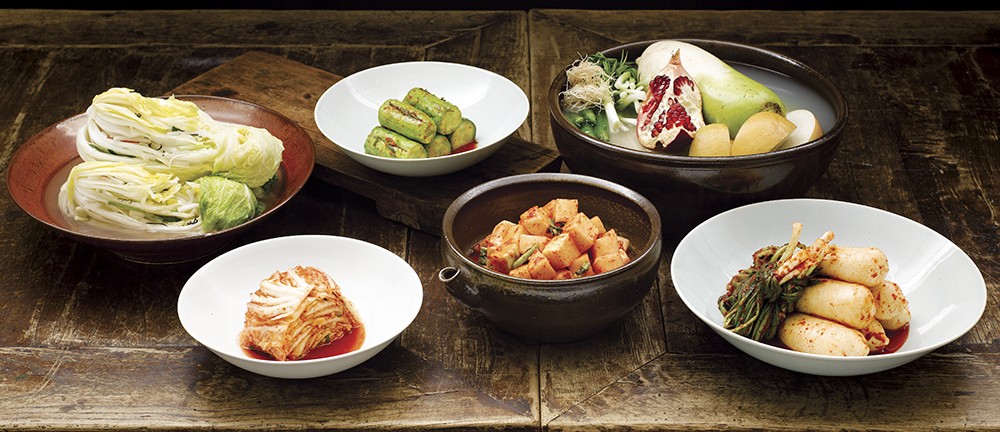
A. There are dozens of types of kimchi, most of which are regionally-specific, leading to obvious differences in ingredients and production methods. Kimchi from the Jeolla provinces is characterized by heavy seasoning, while kimchi from coastal areas is made with copious amounts of local marine produce. Kimchi from the Chungcheong provinces is crunchy and mildly-seasoned. Regional differences are not as significant in the modern age as they were in the past, but there is still a great deal of diversity in terms of ingredients. Today, there are approximately 200 types of registered kimchi.
One frequently-used seafood is the oyster. Known as “milk of the sea,” oysters are effective in treating symptoms of anemia due to their rich stores of calcium, iron, and copper. Another nutrient, taurine, lowers cholesterol and blood pressure. The fiber of kimchi’s vegetables cause the body to release calcium—a phenomenon that can be addressed by adding oysters.
The most common main vegetable, other than cabbage, used to make kimchi is the radish, the base ingredient for kkakdugi and seokbakji. Two important functions of the radish is the breakdown of starch, which removes intestinal wastes, and instigating digestion. Radish is also a favorite ingredient in Oriental medicine because of its ability to reduce fevers.
Each ingredient has different effects, which means that kimchi also varies in nutritional content. The most important component of kimchi, lactobacilli, are produced during fermentation. It is the presence of both lactobacilli and the nutrients of the ingredients that makes kimchi a top-rated superfood.

Q. Is kimchi really capable of preventing COVID-19?
A. There is a lot of interest in the nutritional value of kimchi, which is often included in lists of the world’s top five health foods, both inside and outside Korea. Kimchi’s antiviral effect is already widely known. Can kimchi, then, be of substantive help in combating COVID-19?
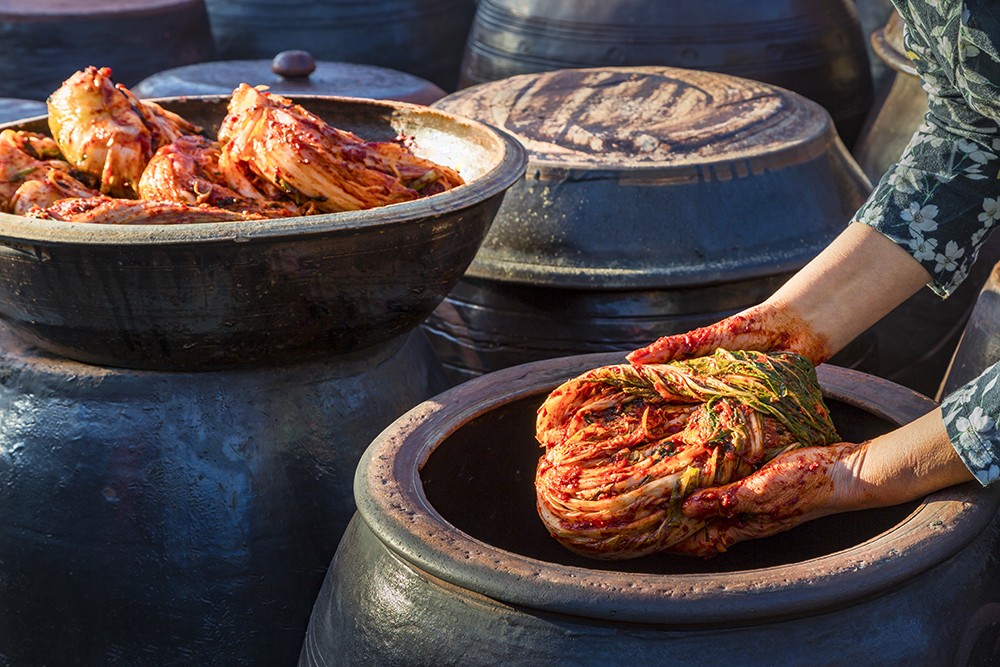
In July, Jean Bousquet, Honorary Professor of Pulmonary Medicine at Montpellier University, conducted a study on COVID-19-caused deaths and eating habits per country. The results showed that the proteins formed by fermenting a mixture of pepper flakes, salted cabbage, garlic, and ginger regulate the body’s immunocytes and, ultimately, alleviates the symptoms of COVID-19. The lactic acid bacteria that grows during fermentation removes active oxygen from the body and lowers the activity of pain receptors, which reduces the body’s inflammatory response.
Bousquet argued that there were differences even between populations of different areas in the same country: namely, that COVID-19-related death counts were lower in regions that consume significant amounts of fermented vegetables. In Italy, casualties were higher in the northern industrial regions than in the rural southern regions—the reason being, according to Bousquet, higher vegetable consumption in the latter than the former. In Africa, regions where people eat fermented cassava also had lower death rates than others.
This, of course, does not mean that eating kimchi is a 100% foolproof method for avoiding serious illness from COVID-19. What we are seeing is the corroboration of scientific evidence on the effectiveness of lactic acid bacteria, which is formed during the fermentation process, in boosting immune levels. The pandemic has ebbed somewhat in strength, but the world is still suffering the long-term effects of a virus that arrived without any warning. If the food we eat on a daily basis is proven to help keep us healthy, what better way is there, as the Korean saying goes, to catch two rabbits—health and flavor—with one stone? In Korea, temperature differences are very high in this transitional period between autumn and winter. How about adding kimchi to your table for healthier eating?