


한식에 대한 다채로운 이야기를 전하는 온라인 매거진
Vol 54. Ice, the Crown Jewel of Summer
Gochujang, a “Korean sauce” that is Taking the World by Storm with Its Sweet Spiciness
Facts about HANSIK
What do spicy honey sauce, sriracha sauce, truffle hot sauce, and gochujang have in common? Answer: they are all included in Amazon’s Best Sellers in Sauces list. As such, gochujang is now popular enough to compete with sriracha, the most famous of hot sauces. Why has gochujang’s presence in the global market been expanding so quickly in recent years? This can be attributed not only to its functions as a fermented food but also its memorable combination of spiciness and sweetness. Gochujang is being increasingly recognized not only as an ingredient of dishes that appear in pop culture content but also for its historical and nutritional value.
Article Yim Kyeongsook (president of KFPI) / Originally published in August issue of JoongAng Ilbo Cooking
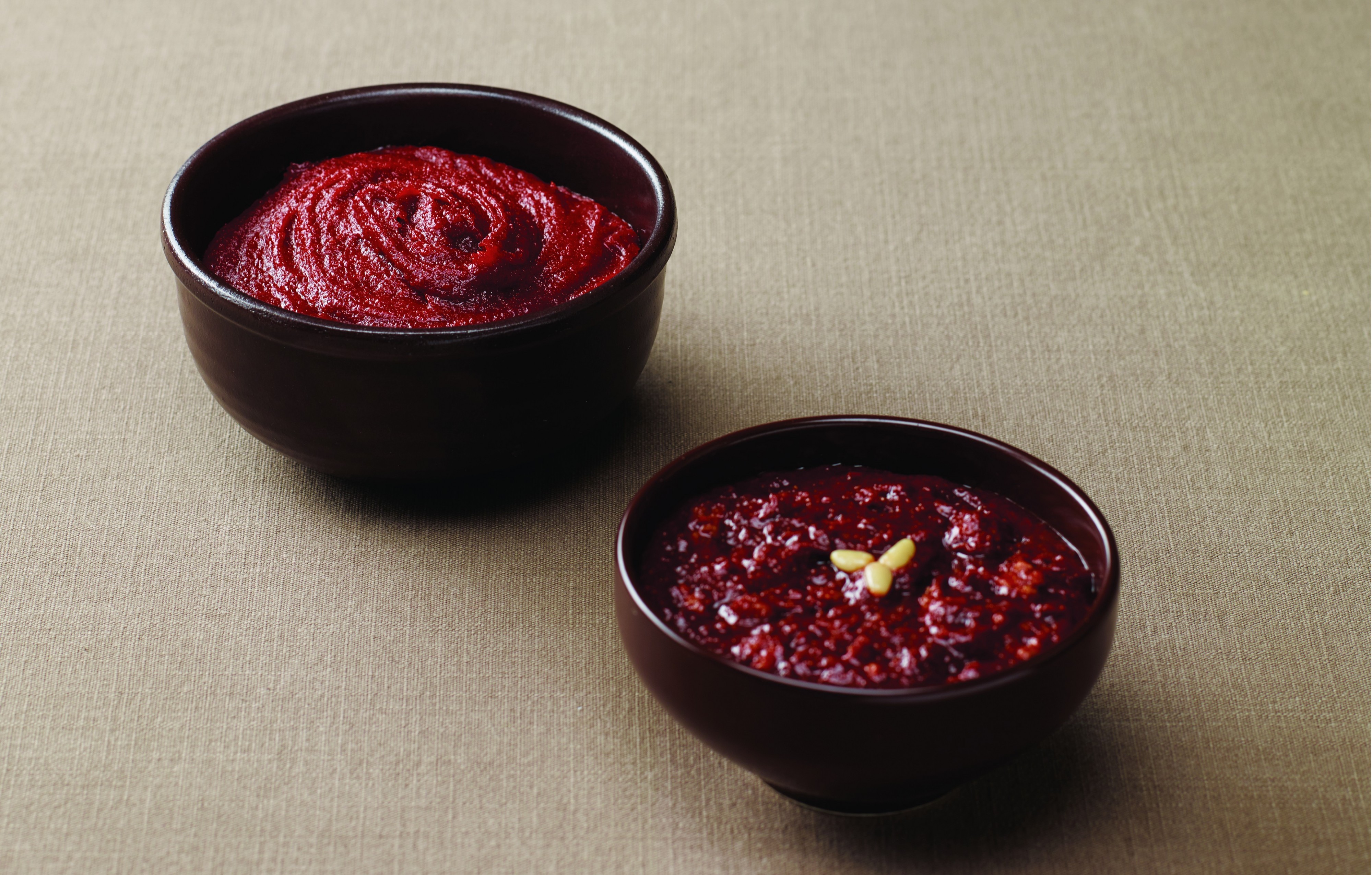
Gochujang was originally not an ingredient of bibimbap
There is a Korean saying that goes “gochujang brought from my daughter’s house,” which refers to an item that is used sparingly because it is so highly prized. The saying “gochujang cannot be excluded from lettuce ssam [wrap]” is used to express a close connection between people and/or objects. Through just these two sayings, we can see that, among pre-modern Koreans, gochujang was regarded as both a daily necessity and a prized item.
Unlike its cousins ganjang (soy sauce) and doenjang (soybean paste), both of which have millennia-long histories of consumption, there is still some debate regarding the origin and development of gochujang. The most widely-accepted origin theory is that gochujang was invented in the late 16th or early 17th century, when peppers were first imported from Japan. Some argue that it was invented two centuries earlier as what was known as “chojang.”
According to an analysis of classical Korean and Chinese documents by the team of Dr. Kwon Daeyoung, of the Korea Food Research Institute, and Jeong Kyungran, head researcher at the Academy of Korean Studies, the origin of the word “gochujang” is “chojang,” a word that appears in the Collection of Native Prescriptions for Saving Lives (a medical text put together by physicians of Oriental medicine in 1433 (15th year of King Sejong)) and Book of Food Therapy, which was published by Jeon Soonui, a royal physician who was equally well-versed in culinary theory) in 1460 (sixth year of King Sejo).
While gochujang may have a much shorter history and unclear origins compared to ganjang and doenjang, what is clear is that it captivated Koreans long ago with its sweet and spicy flavor to become Korea’s most recognized sauce today. It is a well-known fact that Yeongjo, the 21st king of Joseon, enjoyed gochujang immensely. He used a term that is still used today, bap doduk (literally, “rice thief”), to describe pine mushrooms, abalone, and gochujang. It is common practice for Koreans to bring tubes of gochujang when traveling overseas as something to fall back on if they find local food untenable or start pining for food from “back home.”
It is now common knowledge that flights to and from Korea include gochujang in some form (e.g. bibimbap) with in-flight meals. The pairing of bibimbap and gochujang is, however, a relatively recent development. In traditional Korean cuisine, rice and side dishes served in the same bowl were seasoned with what was called “Joseon ganjang” (soy sauce made in the traditional way and named as such to differentiate it from Japanese-style soy sauce). In fact, the earliest records of bibimbap and gochujang as we know them today date back less than 100 years.
According to an article titled “In Praise of the Finest Foods of the Eight Provinces” and published in the December 1, 1929, issue of Byeolgeongon (popular magazine founded on November 1, 1926), the practice of adding gochujang to bibimbap began in Jinju, Gyeongsangnam-do. The author argues that the establishment of bibimbap restaurants near Jinju’s beef market led to the serving of bibimbap topped with beef tartare. The use of gochujang to offset the unpleasant odor of the tartare is believed to be the predecessor of gochujang-seasoned bibimbap.
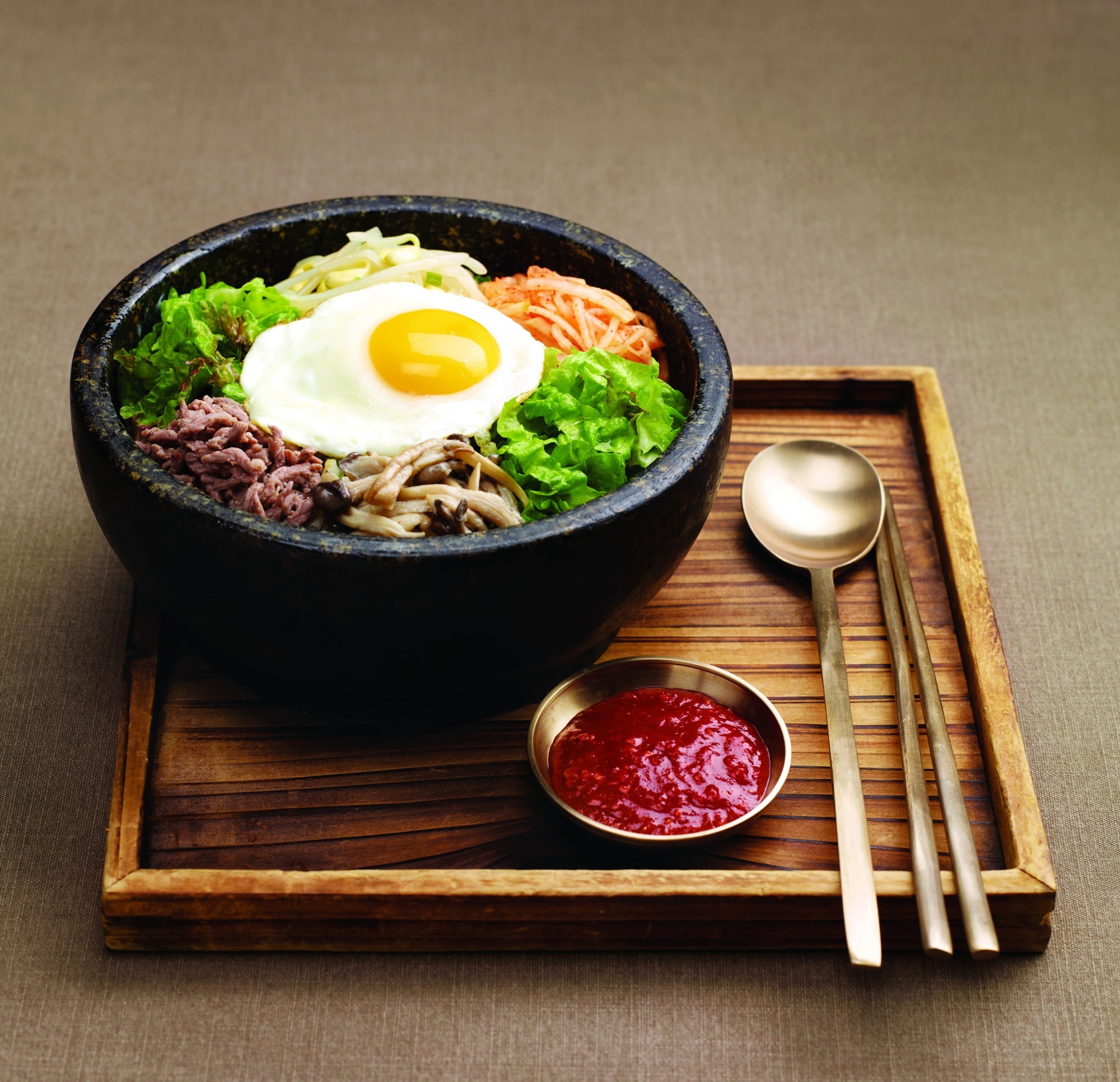
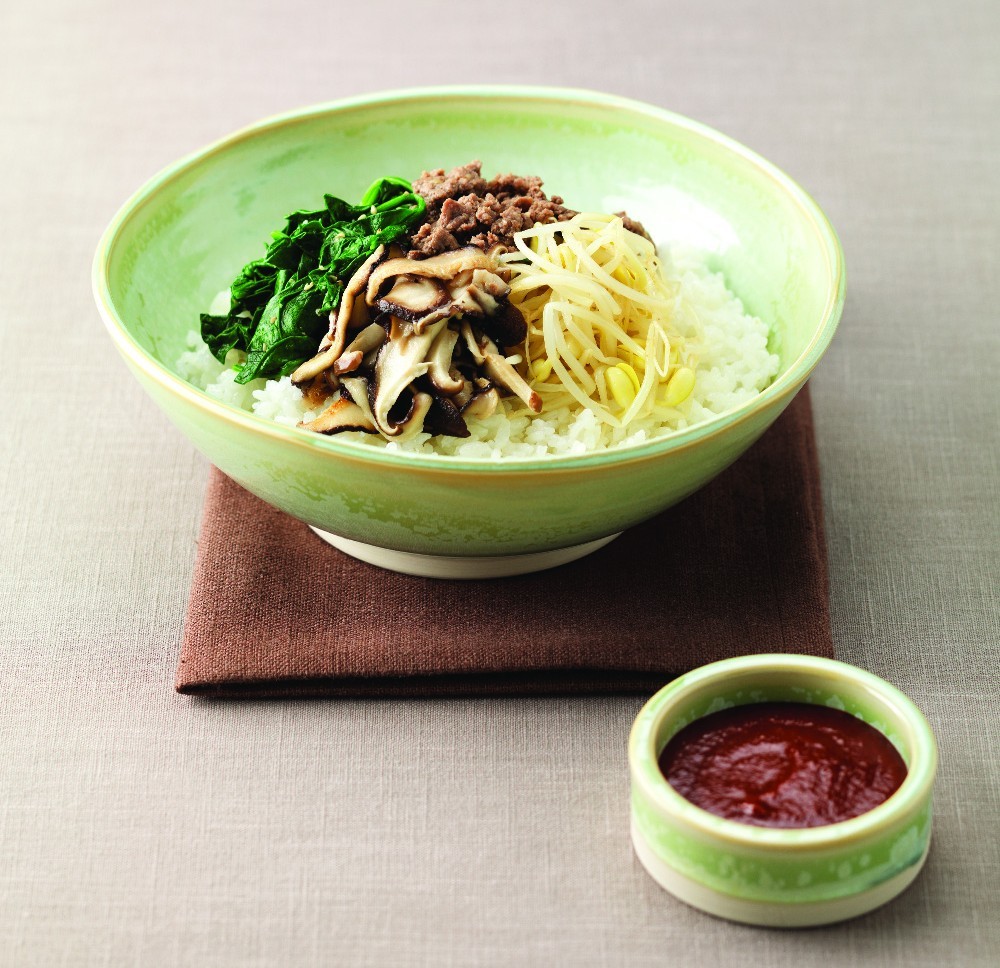
Growing popularity of gochujang
Currently, doenjang, ganjang, and gochujang are not that competitive in the global sauce market. Thus far, jang has largely been avoided by foreigners due to its distinct scent and, as a fermented food, is difficult to export. Things are beginning to change, however: the perception of “K-jang” is quickly improving due to the global popularity of K-pop and Korean TV dramas.
Another factor that worked in favor of jang was the COVID-19 pandemic. The birth of the jipbab (home meal) trend gave rise to increased demand for ingredients and recipes that can be readily used to cook meals at home, based on which jang became more widely known as a healthy and versatile fermented ingredient.
One especially symbolic achievement is the inclusion of doenjang in May by the World Intellectual Property Organization (WIPO), alongside the hanbok, soju, makgeolli, and gimbap, in the “Nice Agreement Concerning the International Classification of Goods and Services for the Purposes of the Registration of Marks,” a list of trademarked products recognized by WIPO, which has 91 member nations. A product included on this list can be trademarked even when sold outside of the country it is registered to. Before this year, Korea had three Nice-listed products (kimchi (2005), bulgogi (2015), and bibimbap (2016). The addition of six more this year, including gochujang and doenjang, is widely regarded as a sign of the increased international visibility of Korean culture.
Where does gochujang stand in the 21st century?
The popularity of gochujang is apparent in the growing number of foods that include it sold outside of Korea. Gochujang sourdough bread is already prominently featured on YouTube, while the American hamburger franchise Shake Shack is selling its “Koreanstyle Fried Chicken Sandwich”—which features a gochujangseasoned patty sprinkled with sesame seeds (to mimic Koreanstyle spicy fried chicken) and a thin layer of diced white kimchi—at over 160 stores in the United States.
In the UK, gochujang is sold at virtually all supermarkets and even available in most rural grocery stores. Nigella Lawson, a well-known British food writer and TV cook, mentioned on a BBC special broadcast that Korean gochujang is taking the world by storm. (The BBC previously produced an in-depth focus feature on gochujang that covered issues such as its origin and benefits and included an interview with a master of Soonchang-style gochujang).
Sollip, a London-based restaurant operated by Park Woongchul, a Korean chef, uses fresh, high-quality ingredients that were produced in the UK and is known for applying gochujang or other Korean-grown ingredients in ways that cater to Western tastes.
For example, yak gochujang is used for French-style beef tartare that was aged for six months, and ecklonia cava (a type of brown algae known as gamtae in Korean) is included in a truffle cheese sandwich. In 2022, Sollip was named as a one-star Michelin restaurant—becoming the first Korean restaurant to be listed in London, which is teeming with world-renowned fine-dining establishments.
Another overseas Korean restaurant that has a one-star Michelin rating is the New York (Manhattan)-based Jeju Noodle Bar, which is famous for its Gochujang Bokum. It is always full during mealtimes, usually with trendy New Yorkers who wish to enjoy the Gochujang Bokum with red wine.
To mobilize such tangible popularity of gochujang, a foundational ingredient of Korean food, overseas (as manifested in hallyu), the KFPI and Cultural Heritage Administration submitted an application to register “Jang Damgeugi (Korean Sauce and Paste Making)” as a UNESCO Intangible Cultural Heritage. The result, based on a screening by UNESCO’s Secretariat, will be announced in late 2024. I hope that, through international recognition, gochujang, doenjang, and ganjang all become sauces that are as familiar to global consumers as their Western counterparts.