

한식에 대한 다채로운 이야기를 전하는 온라인 매거진
Vol 40. Nourishing Summer Food
Serving Korean Food, Serving Health
The public’s interest in “health” surged up. There has always been interest in eating and living well, but the public’s awareness of health has increased after the COVID-19 outbreak. According to the data released by the Rural Development Administration last year, consumers prioritize “health” when purchasing agrifood. This is also why Korean food, which is prepared with the consumer’s health in mind, is attracting attention. According to the data released by the Los Angeles branch of the Korea Agro-Fisheries & Food Trade Corporation, the perception that “Korean food is beneficial to health” has increased in the US.
The concept of sikchi(食治) of preventing and treating disease with food is ingrained in Korean food. It also has the meaning of yaksun (藥膳) that the food suitable for the disease and constitution is medicine. Korean food is nourishment, the food that safeguards and controls one’s body.
Sisik (Seasonal Food) and Summer Nourishments
Sisik (時食), food made with seasonal ingredients, is the starting point of healthy Korean food. The seasonal ingredients from spring, summer, autumn, and winter are the foundation of the Korean table.
Seasonal food ingredients have become the basis for filling the nutrients needed for that season. In other words, the seasonal ingredients found in the vegetable garden contributed to setting a nutritionally balanced Korean table. Furthermore, seasonally unique ingredients that vary from season to season have resulted in a unique Korean diet of making and eating special foods for each season.
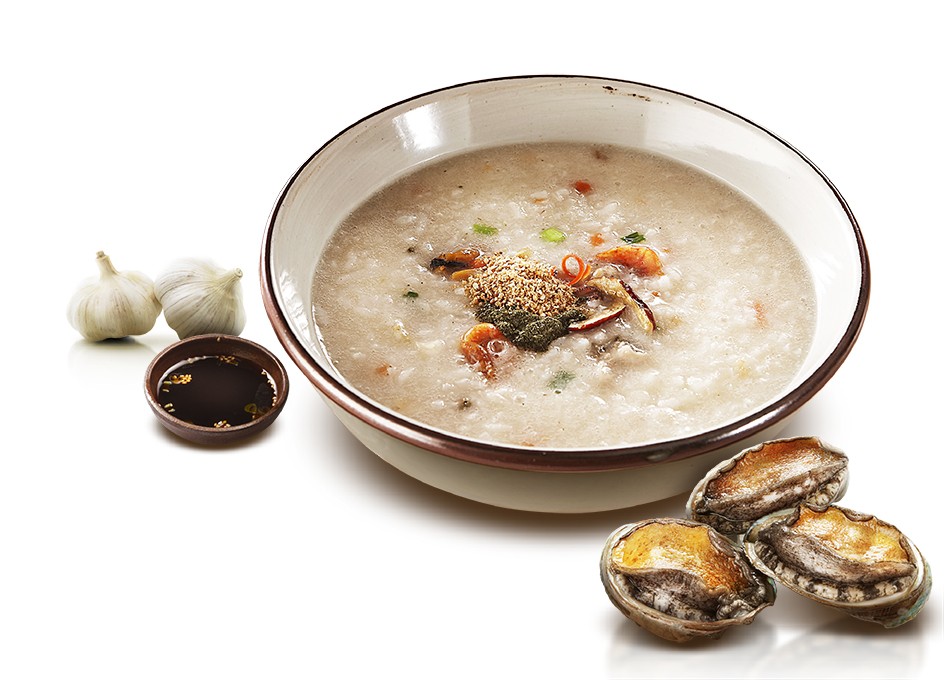
This is also why seasonal nourishing food made with seasonal ingredients was created in order to safeguard health. People eat summer nourishing food made with croaker and eel in their prime to overcome the summer heat and control their health.
Korean food is made with seasonal ingredients, so there are people who say, “There is no special nourishing food.” Food columnist Hwang Gwanghae wrote a column on nourishing food for <A Good Day to Read About Korean Food> by the Korean Food Promotion Institution and said, “There was no nourishing food in the Joseon Dynasty. During that time, dog meat was a common dish, not a special dish, and people ate croaker in summer because the croaker was in season.”
Come to think of it, Korean food made with seasonal food ingredients are the nourishing food itself.
Jeolsik (Solar Term Food) and Sambok (Midsummer) Jeolsik (Solar Term Food)
One seasonal holiday is called “jeolil”.
A unique culture of Korean food is “jeolsik”, which is specially eaten with the event held to commemorate the jeolil. It also has a meaning as a dietary custom that is directly connected to semipoongsok (歲時風俗 seasonal customer) of Korea. Jeolsik is made with readily available seasonal ingredients.
Jeolil is set for each month between the first month and last month of the lunar calendar, and jeolil’s jeolsik starts with the new year’s food on the first day of the first month of the new year (January 1st of the lunar calendar). In July, people eat sambok jeolsik, which is consumed in order to overcome the heat of Chobok (first dog day), Jungbok (second dog day), and Malbok (last dog day).
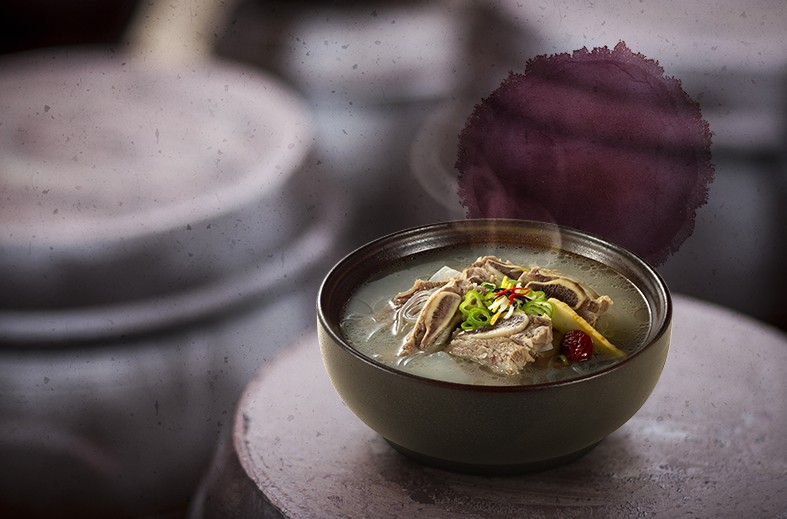
They are samgyetang (ginseng chicken soup), gaejangguk (dog-meat soup), and yukgaejang (spicy beef soup).
Relief Between Hot and Refreshing Feelings
“Why do you eat hot food in midsummer heat?”
“Why do you say it’s refreshing after finishing a boiling hot soup?”
There are many hot dishes in seasonal and solar term foods such as tang (stew), guk (soup), and juk (porridge). How can one feel “cool” after eating boiling hot gaejangguk and samgyetang (ginseng chicken soup)?
It has been taken into account that if people eat cold food during the hot summer, their bodies become cool and their body temperatures drop, thus resulting in reduced immunity and increased susceptibility to fever.
Of course, this is the taste and culture of Korean food that foreigners may never experience.
Then what is the refreshing feeling that we get after eating hot soup? Kwon Daeyoung, the author of <Korean Food Humanities>, analyzes the meaning of “cool feeling” from various angles in his book. Among them, the most striking analysis is his claim, “The cool taste does not stop at expressing a simple flavor, but it is connected to the level of survival and that of health.”
He explained, “It is not an expression of color, aroma, and taste in terms of savoring and enjoying food in a Western style; however,
it is related to the level of our body becoming healthy by eating and digesting the food well, activating the gastrointestinal movement, and enabling good digestive absorption.”