


한식에 대한 다채로운 이야기를 전하는 온라인 매거진
Vol 40. Nourishing Summer Food
Today’s Simple Nourishment Take-Out for Today’s Generation
As home-cooked meals, “store-bought home-cooked meals”, have become a trend, the Home Meal Replacement (HMR) market is growing at an average annual rate of 16.1%.
HMR food has been diversified and upgraded, and it has become premium. This led to HMR being reborn as “a tasty and nutritional meal” from “meal substitute”. Now, it has become very natural to enjoy nourishing food such as HMR.
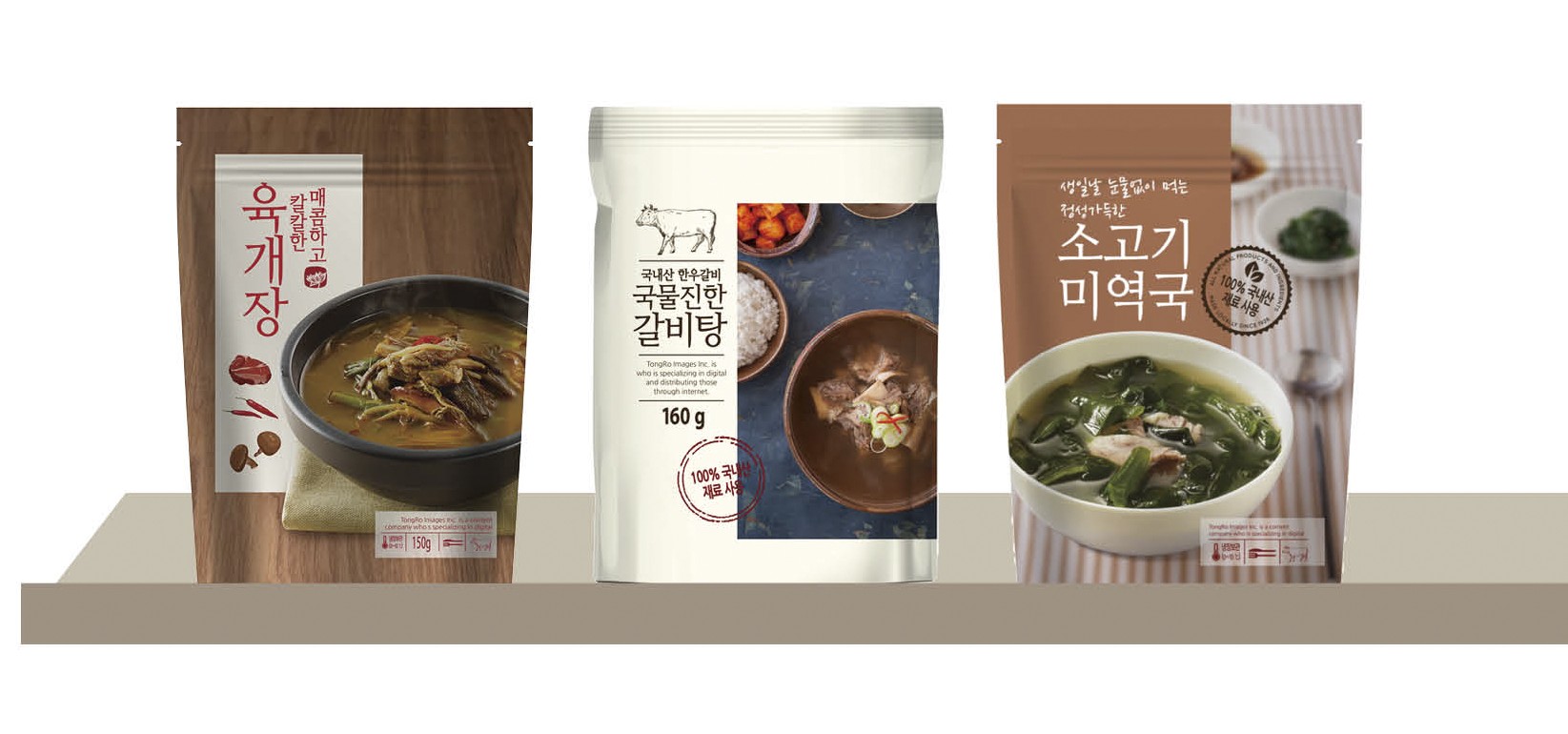
The scene of boknal (dog days) started to change. Due to the increase in the number of single-person and double-person households and the impact of COVID-19, it is now the time when you easily buy and eat nourishing food. For the current generation who pursue convenience and simplicity, “nourishing food made as HMR (HMR nourishing food)” has become the “best” nourishing food.
According to the data released by Lotte Mart in 2019, the sales composition of “HMR samgyetang (ginseng chicken soup)” was 7.3% in 2015, 16.9% in 2016, 17.7% in 2017, and 26.8% in 2018, and increased to 30.2% in the Chobok (first dog day) season in 2019. CJ Cheil Jedang announced that from July 1 to July 14 last year, the sales of nourishing food concept products, such as samgyetang (ginseng chicken soup), increased threefold compared to the previous two weeks.
Both Millennials and Baby Boomers Go for “Health”
Summer nourishing food was once considered as one of the disappearing Korean cultures. The reason for this is that the younger generations did not enjoy nourishing food. However, the emergence of the new generation of health-conscious young people known as Millennials and Generation Z has changed this game.
Compared to the existing generations, the Millenials and Generation Z are more interested in health, particularly disease prevention. This is leading to active purchases of health functional foods and health foods. After the COVID-19 outbreak, the public’s interest in health has increased, and it is encouraging to see that this has become a global phenomenon.
Baby boomers, who show different characteristics from the existing seniors, are also not prejudiced against HMR. It is good to make nourishing food at home, but it is also okay to enjoy it as HMR. Of course, these seniors are more interested in health than the other generations
HMR Nourishing Food’s Quantitative and Qualitative Growth With Good Cost-Effectiveness and Cost-to-Psychological Satisfaction Ratio
HMR nourishing foods with a reasonable price compared to the cost of eating out have captured the hearts of today’s consumers, who seek products that provide the best value for money and the cost-to-psychological satisfaction ratio. This was achieved when the HMR nourishing food became diversified, upgraded, and premium.
Consumers now have a broader selection of HMR nourishing food, which were previously limited to stew, soup, and porridge. This is a phenomenon that has emerged as not only F&B companies, but also hotels, restaurant franchises, well-known restaurants, and famous chefs have entered the HMR nourishing food markets. As a result, we have been able to taste different HMR nourishing foods, such as Korean, Chinese, and Western food.
It is also worth noting that a microwavable pouch-type HMR has evolved into a meal kit and restaurant meal replacement (RMR) form. In addition, the HMR has become a home-cooked meal. It has been stimulating the sentiment of today’s generation, who wants to experience making nourishing food at home while avoiding complicated recipes. A meal kit is a food kit that provides a fixed amount of trimmed ingredients, seasonings, and recipes, and all you have to do is heat or boil them at home according to the recipe. RMR is a meal created by famous chefs or restaurants in the form of meal kits.
Last year, Suhyup (National Federation of Fisheries Cooperatives) sold a meal kit using sea eel and croaker. With the appearance of HMR nourishing food using high-quality and premium food ingredients, which are well-known as the nourishing food ingredients in Korea, such as hanwoo, eel, croaker, grilled toothfish, abalone, etc., its popularity increased further. It is more expensive than the existing HMR nourishing food, but its cost-to-psychological satisfaction ratio of eating a genuine nourishing food is high. The fact that the number of HMR nourishing food made with domestic food ingredients was also a positive factor in consumption, and consumer awareness of domestic food ingredients has increased since the COVID-19 outbreak.
Meanwhile, according to the data released by the Korea Rural Economic Institute, the size of the domestic HMR market in 2015 increased by 90.5% from 1.6823 trillion won in 2015 to 3.2 trillion won in 2018. The HMR market is expected to grow to about 5 trillion won by 2022. HMR has also captured the consumers with high cost-to-psychological satisfaction ratio.