


한식에 대한 다채로운 이야기를 전하는 온라인 매거진
Vol 40. Nourishing Summer Food
Academy Awards and Korean Food Ingredients
Following 2020, “Korea” was widely recognized at the Academy Awards, which is considered the most prestigious film award event, in 2021. In 2020, the Korean movie “Parasite” won the Academy Awards for Best Director, Best Screenplay, Best International Film, and Best Picture, and in 2021, Korean actor Youn Yuh-jung, who starred in “Minari”, won the Academy Award for Best Actress in a Supporting Role. It is also worth noting that strong Korean-colored food appeared in both of these movies. It is natural that the interest in Korean food and ingredients has increased following the Parasite and Minari effects.
Reference. KATI - Korea Agricultural Trade Information(www.kati.net)
<Rediscovery of Ramyun> (by Kim Jeonghyun and Han Jongsu, Tabi Publisher)
Korea Agricultural Marketing Information Service – KAMIS (www.kamis.or.kr)
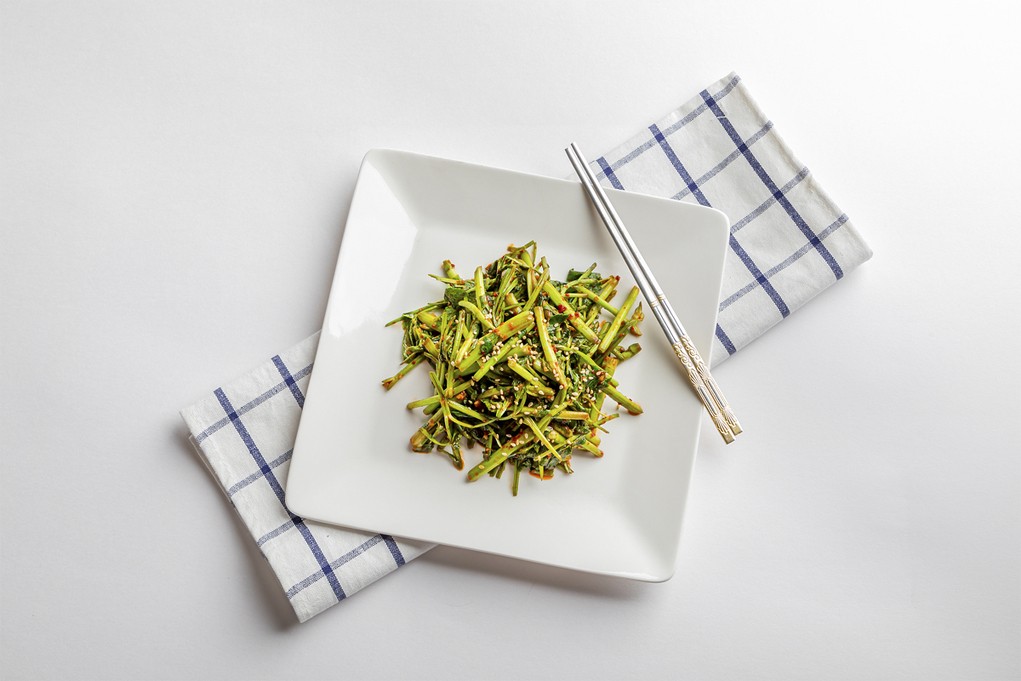
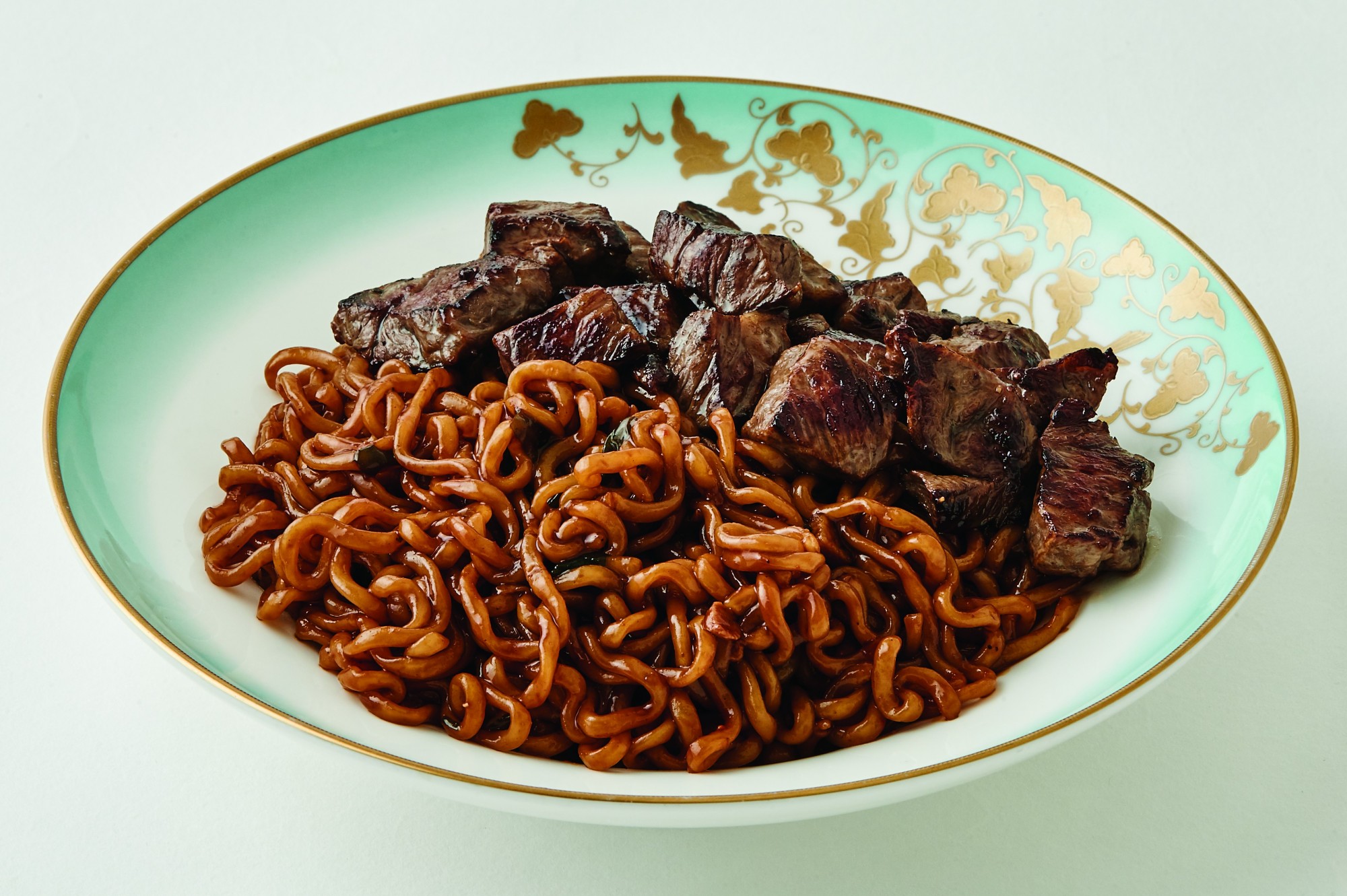
Movie “Parasite” and “Chapaguri”
“You know how to make chapaguri, right? It’s Dasong’s favorite dish. If you put water now, the timing will be just right. There is hanwoo sirloin in the fridge, so why don’t you put some of it? (omit) Anyway, have chapaguri ready when we arrive. We’ll be there in 8 minutes.”
Parasite is a movie about the hierarchy and class of a neo-capitalist society and its differences. There is a food that appears at a time when the movie’s mood is reversed as the insurmountable gap is fully revealed, and it is chapaguri topped with “hanwoo sirloin”. Chapaguri is made by combining Nongshim’s ramyun products, “Chapagetti” and “Neoguri”, and it presents a chewier texture and spicier taste than chapagetti as neoguri’s thick noodles and spicy seasoning are mixed with chapagetti. In the movie, this dish was completed by adding high-quality “hanwoo sirloin” to this popular and ordinary ramyun noodles. This chapaguri was loved around the world like the movie Parasite. Media outlets and social media influencers from various countries around the world have produced the content that teaches “how to make chapaguri”, and the news that Parasite’s chapaguri is being sold as a special menu at a Michelin-starred restaurant in New York, USA followed. There were many cases where overseas consumers bought ramyun from Korean food distributors or similar ingredients locally, made chapaguri, and posted it on social media. In the US, ramdon (ramyun + udon), which means “chapaguri”, was created following the movie.
“Good” Spiciness of Korean Ramyun
Actually, due to the influence of the Korean Wave, the popularity of Korean ramyun has continued steadily. The diverse and luxurious Korean ramyun was enough to capture the hearts of the MZ generation around the world, who pursue cost-effective and cost-to-psychological satisfaction ratio.
In addition to the “Parasite effect”, Korea’s ramyun exports last year reached a record high. According to the Korea Customs Service, Korea’s ramyun exports exceeded $600 million last year, an increase of 29.2% compared to 2020.
The popularity of Korean ramyun is not limited to chapagetti and neoguri. What is particularly noteworthy is that the Korean ramyun’s spicy taste is popular. According to the KATI Export & Import Information Data, “spicy” ramyun is more popular overseas than “mild” ramyun. The “buldak (fire noodle) challenge” has become a game on social media, and Shin Ramyun Black once took the first place on the New York Times product review site in 2020. Kim Jeonghyeon and Han Jongsoo, who wrote “Rediscovery of Ramyun”, stated in their book, “It is clear that the fact that Korea’s spicy taste is not a weakness, but a uniqueness is proven to the world and, above all, to the Koreans themselves.” It is also worth noting that localized Korean ramyun, such as vegetarian ramyun and halal ramyun, are being launched.
Increased Interest in Korean Food
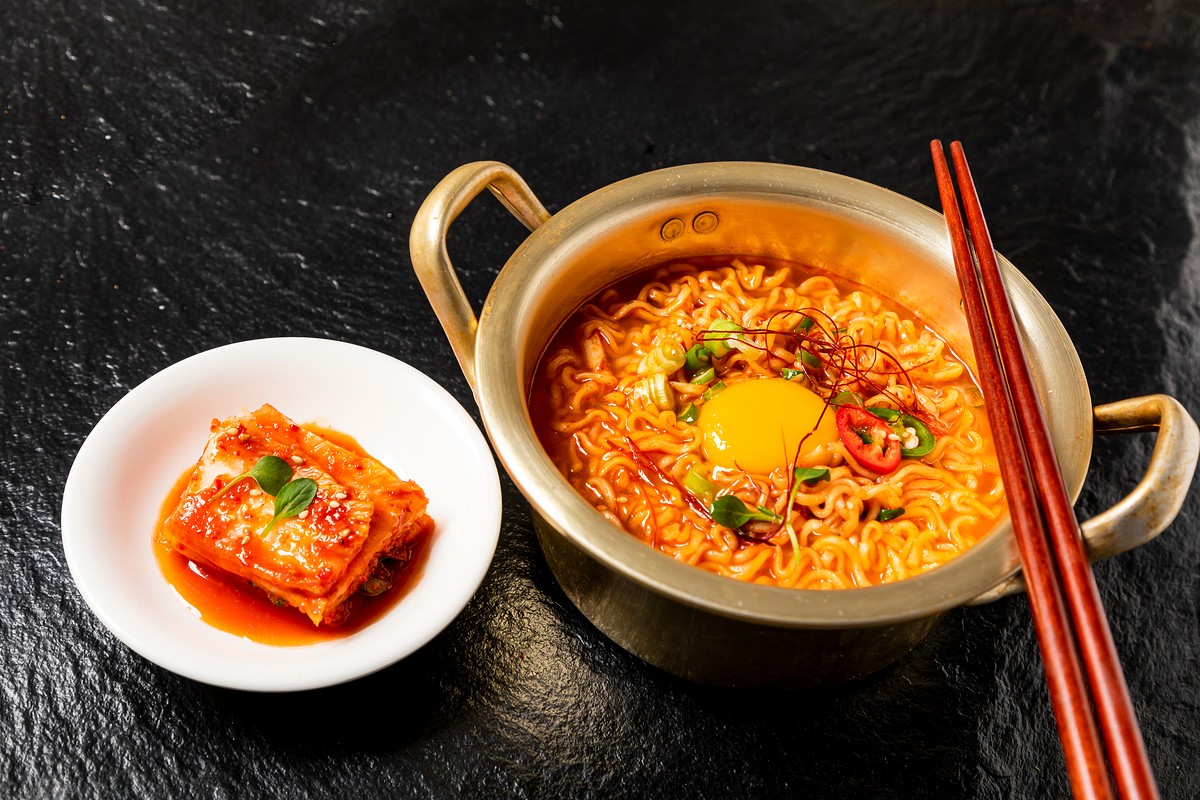
It has been determined that the popularity of Korean ramyun is also leading to an increase in the popularity of Korean food. According to the Korean Food Promotion Institution’s analysis, “There were many examples of Korean food being introduced together with the different types of chapaguri made by people around the world on various social media platforms. This has become an opportunity for Korean food to get more attention along with Korean ramyun.”
Wonderful, Wonderful Minari
“Minari is truly the best. It grows everywhere, like weeds, so anyone can pick and eat it. Rich or poor, anyone can enjoy it and be healthy. Minari can be put in kimchi, put in stew, and put in soup. It can be medicine if you are sick. Minari is wonderful, wonderful!”
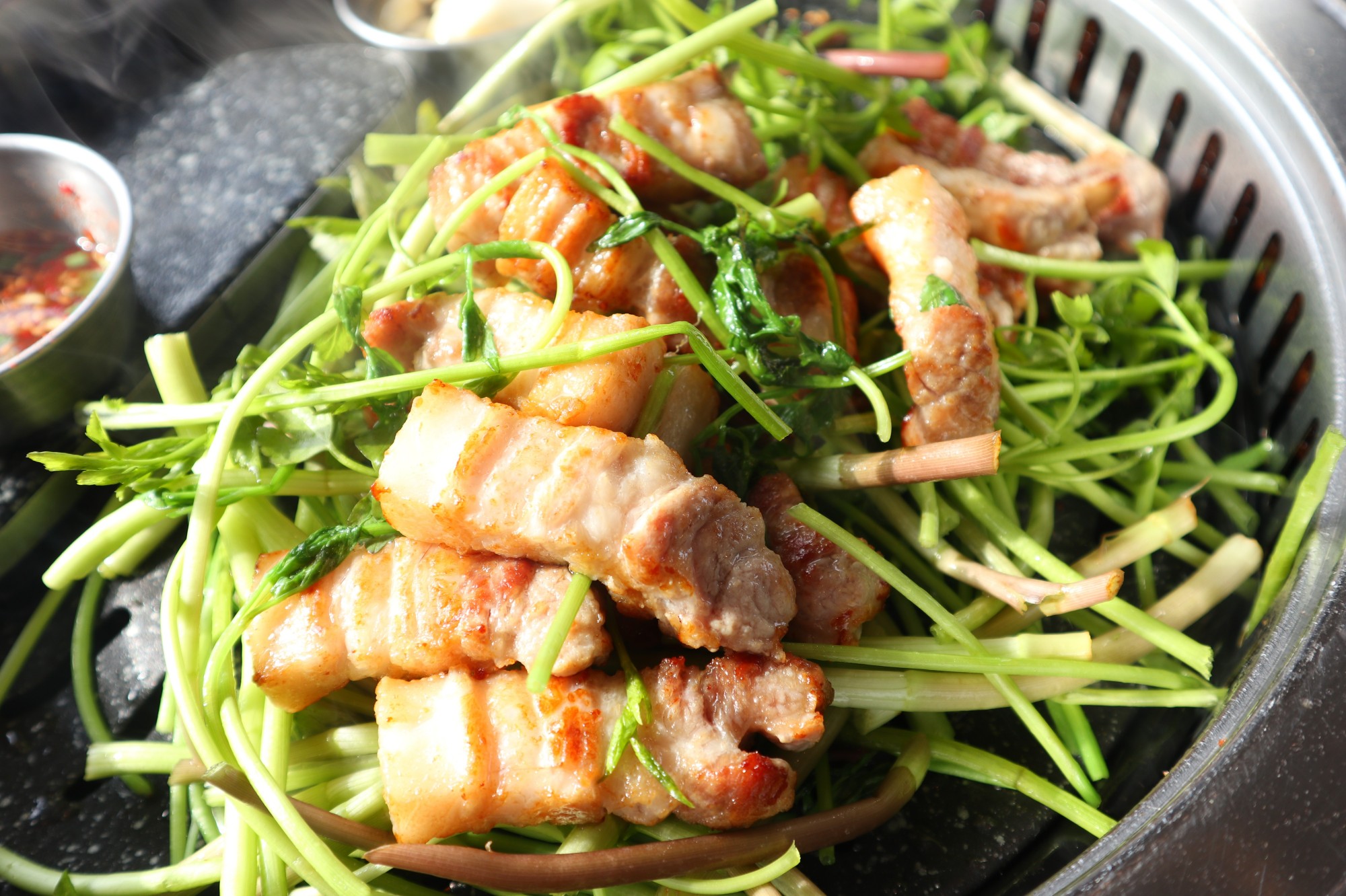
“Minari” is, by far, the most popular movie in the world today. It calmly and realistically tells the story of the first generation Korean immigrant family striving to achieve its American dream of running a farm growing Korean vegetables while working as a chick sexer in Arkansas, USA. The survival power of minari that “grows everywhere” is also the justification that the movie title should be “Minari” rather than “Water Parsley”. Thanks to the popularity of the movie “Minari”, the Korean minari and its recipes are also gaining popularity.
The Taste and Effect of Minari
Minari has a widespread native distribution throughout the Asian continent, including Korea, Taiwan, Japan, India, and Indonesia. Judging from the fact that there is a record of “geunjeon” in 《Goryeosa》
(The History of Goryeo), it is determined that minari has been eaten in Korea since the Goryeo Dynasty. Thus, minari could be said as the food ingredient representing Korea with its long history.
Minari is distinguished by its unique scent and soft texture when chewed. It is an alkaline food rich in vitamins and minerals, and it is effective in neutralizing the acidic constitution caused by a high-fat diet. Moreover, its high potassium content helps excrete harmful substances, such as heavy metals and sodium, from the body. It has medicinal properties of suppressing inflammation, relieving hangover, alleviating fever, and lowering blood pressure, so
it was used as a folk medicine. In oriental medicine, minari is believed to be effective in clearing the head, improving the intestinal tract, and treating jaundice and gynecological diseases.
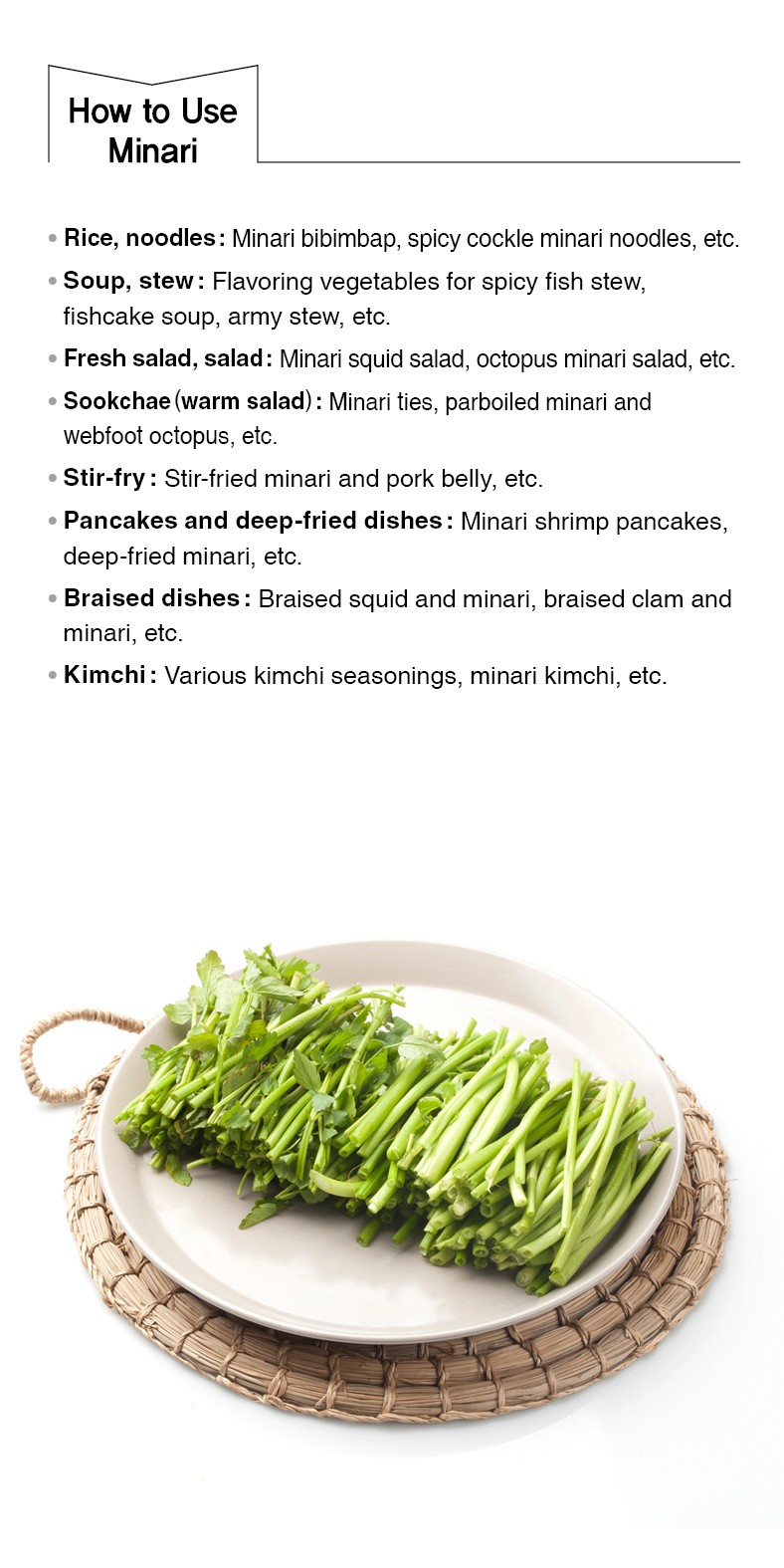
How to Select Good Minari
- Select the ones with bright green leaves and even lengths.
- Select the ones that are easily broken, with light reddish-brown color at the bottom of the stem, and with moisture in the cross section.
- Select the ones with a suitable thickness as the one with a thick stem may have a tough texture.
- Select the ones with light reddish-brown color at the bottom of the stem and less fine hairs.
- Select the ones without dried and yellowed leaves as they have a long distribution process.
- It is best to buy only as much as you can eat at once.
How to Prepare Minari
- Immerse a 10-won coin or brass spoon in cold water or vinegar water to remove the leech.
- Cut the end of the stem about 1 cm and discard it, and wash it by gently shaking it in running water.
- Soak it in vinegar for about 10 minutes to remove the moss and rinse.
- Cut off the tough root part and remove the yellow leaves.
- Remove the dirt on the root by hand and rinse it several times.
- The minari leaves are usually removed as only its stem part is eaten, but the leaves contain about six times more antioxidants than the stem, so it is better to eat them together.
- You can improve the taste by changing the soaking time in boiling water according to the purpose of cooking.
How to Store Minari
- Wrap the root part with a moistened towel, seal it in a plastic bag, and refrigerate.
- The proper storage temperature for minari is 1℃ to 5℃. For short-term storage, wrap it in newspaper without washing, put it in a plastic bag, and store it in the refrigerator.
- When storing in the refrigerator, remove the withered leaves first, wrap the bottom with a moistened towel, seal it in a plastic bag, and store. If you store it upright, its freshness can be maintained for a long time.
- For long-term storage, blanch the minari in boiling water, cool it in cold water, squeeze out the water, place it in a plastic bag, and freeze it. Frozen minari is good to eat in soup or stew.