


한식에 대한 다채로운 이야기를 전하는 온라인 매거진
Achieving flavoral balance with fermentation and ssam: Kwang Uh
Protectors of flavor
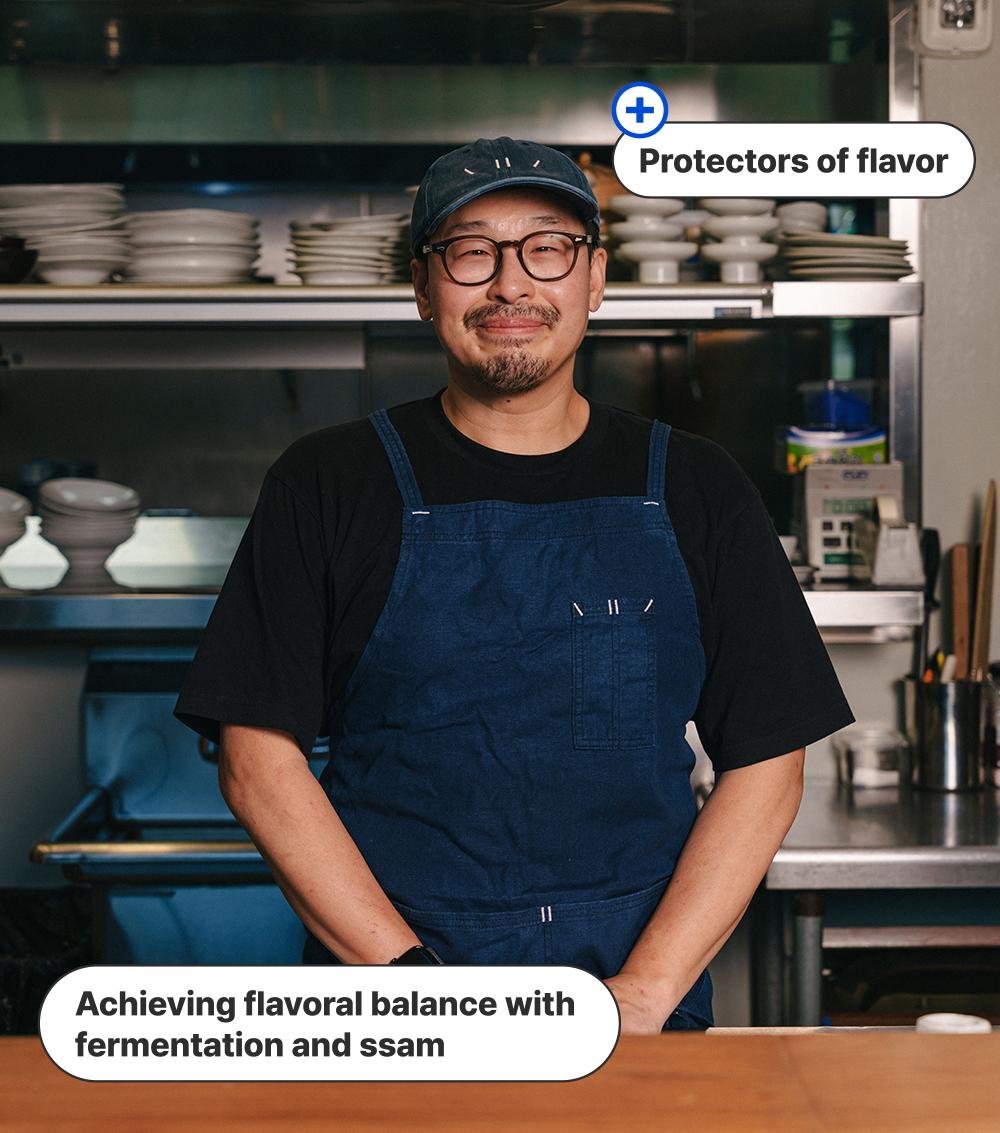
How would one go about visualizing “pouring out strong energy and replenishing weak energy,” a concept of myeongrihak (traditional science that studies the logic of fate), with food on a plate? Kwang Uh, an LA-based chef who serves contemporary Korean cuisine that is firmly grounded in fermentation and seasonal ingredients, finds the answer to this question in bite-sized Korean ssam.
Uh harnesses the power of fermentation in lieu of additives to amplify an ingredient’s natural flavors and doesn’t shy away from incorporating Korean elements into Western cuisine, such as by using seasonal Korean ingredients to make pesto or oil. He is also committed to lowering the entry barrier to Korean cuisine, comparing ssam, a relatively unfamiliar dish in the United States, to tacos. For the spring issue of Hansik Magazine, we heard from Uh about his desire for Korean food to keep evolving while remaining rooted in tradition.

Q. What made you decide to open a Korean restaurant in Los Angeles?
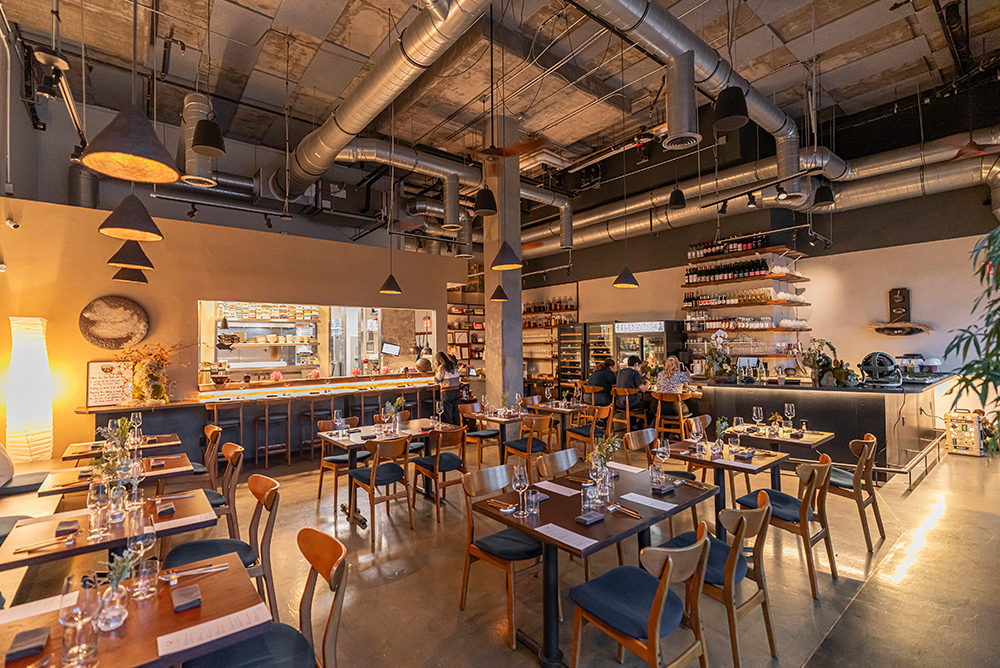
When I opened Baroo about 10 years ago, I focused on serving food that reflects the many cultures I’ve experienced over the years. What I didn’t expect was that local media outlets would categorize them as “Korean,” which led me to think a lot about my identity as a Korean. I ultimately decided to bring together my training in Western cooking with the fundamentals of Korean cuisine. This pairing is the foundation of what Baroo represents today. Although what I serve is not “100% authentic” Korean food, I do, however, plan to keep using Korean cuisine as the vehicle for interacting with customers and growing Baroo.
Q. What kind of role do you think Korean ingredients and Korean-style fermentation play overseas?
Korean fermentation and natural ingredients are no longer merely “exotic” dining options. They are at the center of a style of food that is increasingly regarded as an answer to the environmental and human health problems faced by modern culinary culture. Fermentation techniques that produce rich flavors without additives and cooking methods that preserve the ingredient’s traits are pushing gastronomy experts worldwide to draw up new standards for sustainable culinary culture.
Q. Could you share with readers your favorite Korean springtime ingredients and how you cook them?
The most important thing about running a restaurant in LA is to creatively secure ingredients based on local circumstances. This year, I’m concentrating on myeongi namul (victory onion leaves) and mugwort. I make myeonginamuljangajji (pickled victory onion) to play up the flavors or turn the leaves into a pesto or other type of sauce for something new. Mugwort is good for adding depth to a broth or extracting into a fragrant oil that is a wonderful finishing touch for many dishes. I use other types of spring namul (salad; wild greens) imported from Korea (which is no easy feat!) to flavor water for cooking rice or vegetables to give Angelinos a feel for springtime in Korea.

Q. What do you think is the most important element of ssam?
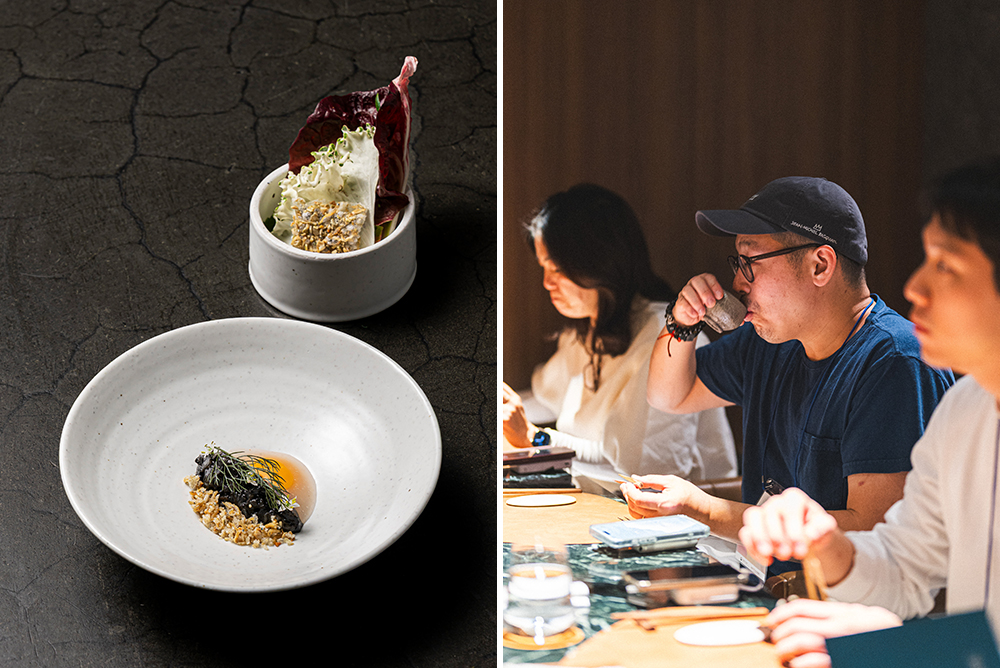
There is an edict in myeongrihak on “pouring out strong energy and replenishing weak energy.” This is my first priority when making ssam. Ssam has to fit everything—flavors, textures, and fragrances—into one bite-sized piece. A balance of colors is also necessary. The harmony of ingredients, each special in its own right, and the subtle, powerful interplay of their flavors are what make Korean ssam unique.
Q. How do you pitch ssam culture to locals, knowing that it’s not a familiar dish to most of them?
Cultural roadblocks are easy to dismantle. The right cultural analogy can significantly enrich a customer’s experience of Korean food while making it easier to understand. When I serve ssam to Angelinos, I explain that it is eaten similarly to how one eats a taco, which is regarded as a soul food here. The term “Korean taco” alone is enough to disarm customers and make them willing to learn how to make ssam. I present the vegetables, sauce, and side ingredient (usually a meat) in a visually appealing way on the plate to make the ssam experience a feast for both the eyes and mouth.
Q. Do you have a preferred ssam—and traditional Korean liquor pairing for it—that you would like to share with readers?
I like frying fish in a batter of finely diced parae (green laver). Adding seasonal ssam vegetables, gooseberries, seeds, and ssamjang (red chili and soybean paste) adds another layer of flavor. It’s one of our most popular menu items! I strongly recommend pairing it with omija wine or solsongju, a fermented liquor with a wonderful pine needle scent. The fragrances of the liquor comes together with the savory fried flavor and freshness of the ssam in a way you’ll never forget!

Q. Korean cuisine is being reinterpreted in diverse ways all over the world. Are there fundamentals that you believe should never be compromised?
For me, harmony and balance are the pillars of Korean food. Serving rice, soup, namul, and fermented food at one shared table, the fun of eating that food in whatever combinations you want, and the feeling of being a community with others at that table—all of these are very important to the Korean culinary tradition. No matter how fancy or elaborate cooking techniques may become, I would like for Korean cuisine to maintain our centuries-old art of fermentation and focus on community.
Q. Can you describe the efforts you’re making toward sustainable dining?
Sustainable dining is not just something that tastes good. It is the outcome of a virtuous cycle of nature, producer, and chef. I go to the farmer’s market every week to choose fresh local produce and use namul shipped from Korea. Nothing goes to waste: even the ends of cut-up vegetables are used for sauces or to brew vegetable water. I’ve been making my own jang (pastes) since last year to strengthen Baroo’s connection with nature. Also, we donate 1% of our monthly sales to local small-scale farmers and livestock breeders. We do what we can to create a healthy environment for those who do the producing and cooking.
Q. What are some menu items that have been popular recently?
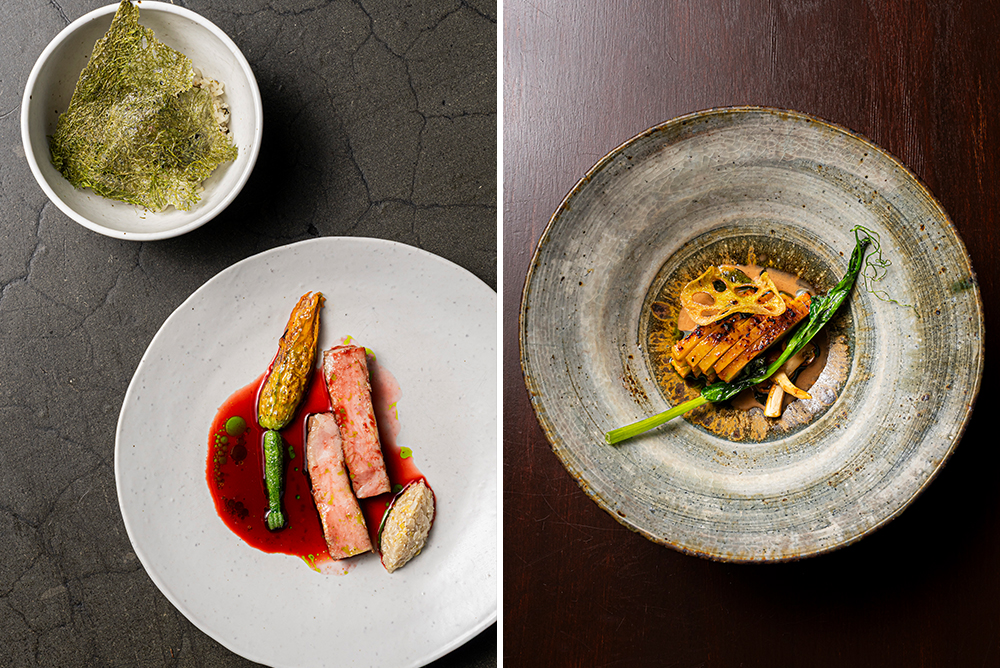
Our “bite-sized” dishes—small portions of various items—are quite popular. Customers like the baked jeungpyeon (raised rice cake) topped with short rib patties and truffle kimchi sauce, beef seasoned with homemade raspberry gochujang (red chili paste), and our baroo yukhoe tartelette, which also includes caviar and smoked mussels. The braised black cod was a hit last season. Right now, gourmands are loving our wild mountain greens rice paired with ssamjang, XO sauce, perilla sauce, and gamtae bugak (seaweed chips) and brandt beef short ribs with burdock jus, which is very tender because it’s cooked for a long time at a low temperature.
Q. How do you envision the future of Korean cuisine? What role would you like Baroo to play in it?
My dream is for Korean food to stop being a trend that comes and goes and to instead evolve into a healthy ecosystem that is beneficial to everyone who is a part of this industry. We’ve all seen Korean cuisine rise significantly in terms of status and visibility over the past decade, bringing it enough clout to start having a positive effect on society. It’s not my intention for Baroo to be a frontline actor in this. I’d prefer for us to play a less visible but nevertheless important role as a member of the community and practitioner of values that form the backbone of Korean cuisine. Baroo’s goal is to help guide the gastronomy market in the right direction.