


한식에 대한 다채로운 이야기를 전하는 온라인 매거진
Vol 38. Kimchi
Kimchi, the Taste of History
“Gimjang Culture,” A Wisdom that Follows Nature’s Rhythm
In a poem written by Yi Gyubo in the middle of the Koryo Dynasty, there is content stating, “Adding soy sauce is good during the summer, and salted kimchi is a good side dish throughout the winter.”
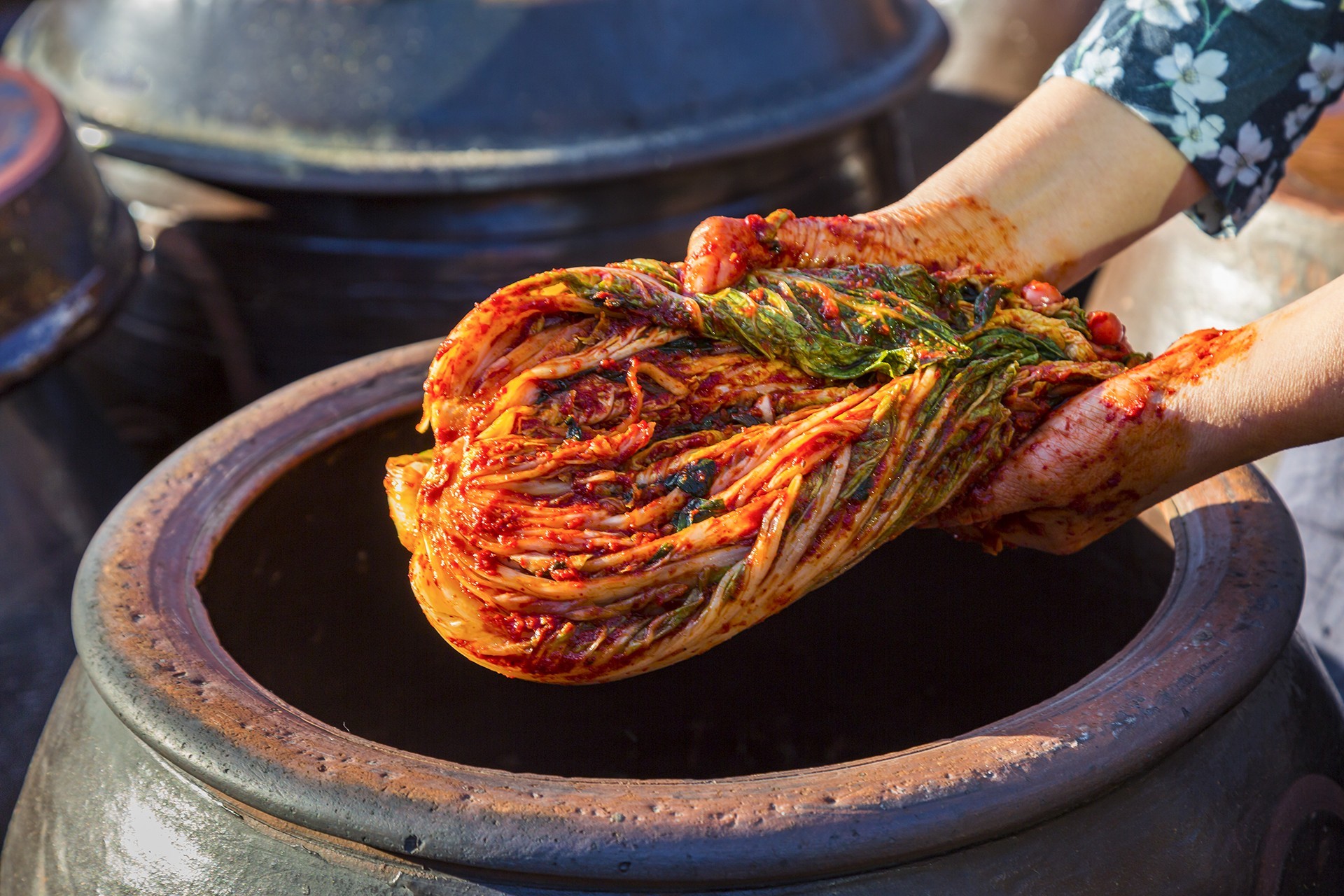
Our ancestors have continued the gimjang(kimchi-making) culture, which is about the affection between families and neighbors since the ancient times. The scene of everyone gathering to make kimchi for a common taste was a kind of feast and festival, where the elements of history and community were combined with human identity, beyond the simple virtue of sharing.
Article. Lee Younggyeong.
Source. Kimchi and Gimjang Culture in the Modern Age (Yoon Deokin et al., Published by Jisikin)
Transformation of Kimchi from Pickles to “Spiciness”
The first reason for the birth of kimchi is the four distinct seasons in Korea. So, vegetables were stored and processed in the form of kimchi, as little to no cultivation could be achieved within three months of winter. When vegetables are pickled in salt, their tissues remain intact, and can be stored fresh.
Moreover, if less salt is used during salting, lactic acid is produced through the fermentation of bacteria, producing a refreshing taste and providing lasting storage properties. This pickling process, which moved into the preserving or fermentation process, is a breakthrough in the history of food processing.
Pickles, which were widely eaten during the Three Kingdoms period, are the origins of today's kimchi. During this period, kimchi was in a form of pickled vegetables, such as turnips, eggplants, gourds, chives, bamboo shoots, and bellflower roots with salt.
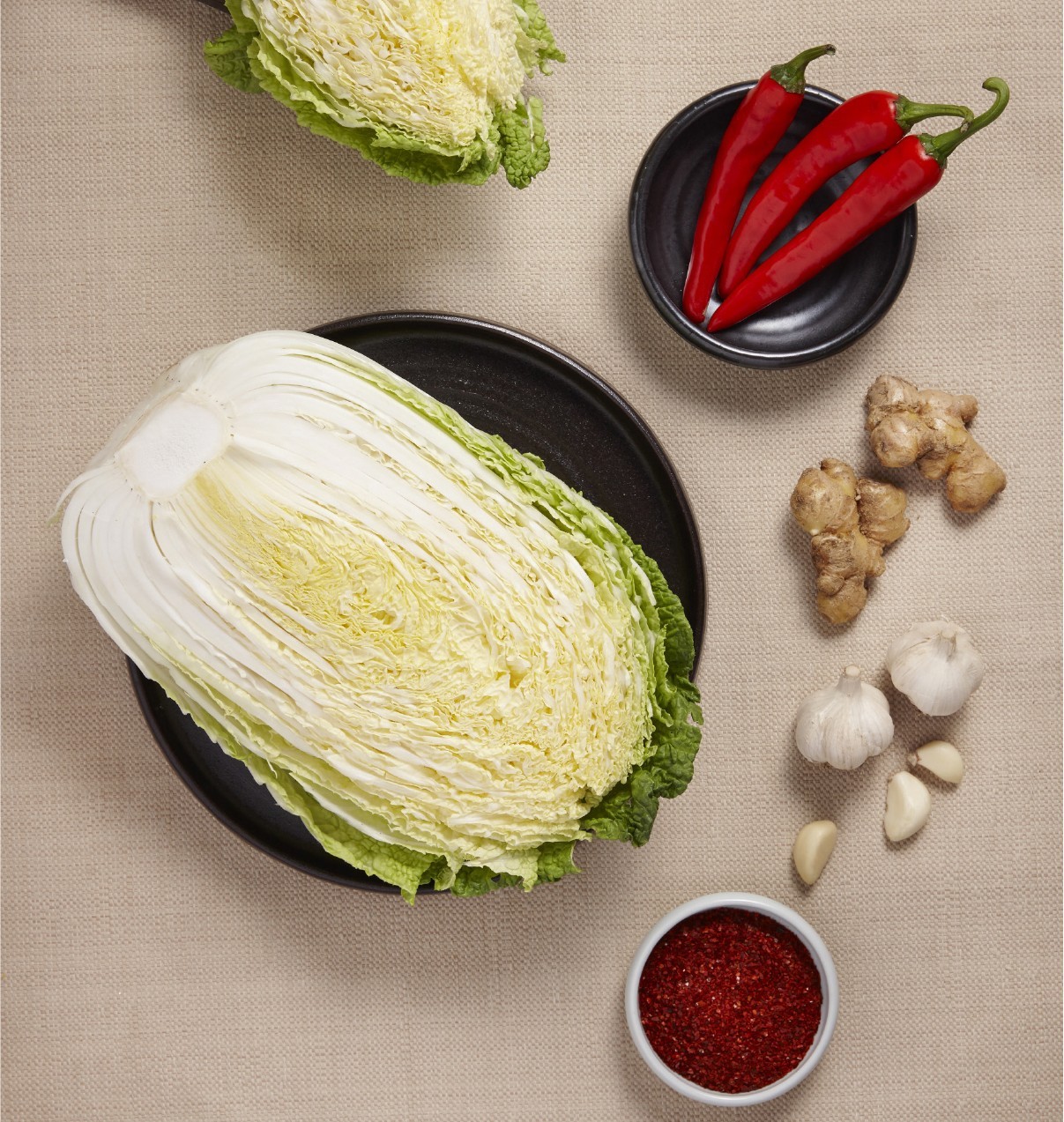
Later, during the Koryo Dynasty, a newly developed kimchi with broth, Dongchimi(radish water kimchi), appeared as a differentiated form. Kimchi used to be white after a pickling process during the Joseon Dynasty, when kimchi established itself in the form that it is today. Agriculture was encouraged according to the “agriculture first” policy, while the development of printing techniques allowed the wide use of agricultural books suitable for our environment, leading to improved vegetable cultivation techniques and resulting in various types of kimchi. However, the “spiciness” that symbolizes the unique sentiment of the Korean people appeared after the Japanese Invasion of Korea in 1592. Chili peppers were first introduced from Japan before and after the war in the 25th year(1592) of Seonjo’s reign. At the time, however, chili pepper was regarded as toxic, so it was not used as a food ingredient.
Then, from the early 19th century, gochutgaru(red chili pepper powder) was added to kimchi, and jeotgal(salted seafood) began to be used diversely. Some people say that the turbulent social events of the time, such as the uprising of the peasants, etc., led to the people craving for spicy food. It was around this time that spiciness was added to napa cabbage. After the distribution of the Joseon cabbage, the whole cabbage kimchi-making technique, which is similar to what it is today, became common.
Our Great Heritage Recognized by the World
In 2001, with the registration of kimchi in the international food standard, Korea’s representative, traditional fermented food, both in name and in reality, has received international approval. Then, in 2006, Health Magazine from the US designated kimchi as one of the top 5 health foods in the world, along with Spanish olive oil, Greek yogurt, Indian lentils, and Japanese natto.
On December 5, 2013, at the 8th UNESCO Intergovernmental Committee for the Protection of Intangible Cultural Heritage that was held in Azerbaijan, “Kimjang: Making and Sharing Kimchi in the Republic of Korea” was listed as a UNESCO Intangible Cultural Heritage. The gimjang culture, Korea’s representative food culture, has established itself as a cultural heritage that is protected and inherited by people all over the world.
There are many pickled foods in other cultures, but it is difficult to find the customs of making and storing food exclusively just before winter, like gimjang, as if it were a habit of the entire nation.
The process of preparing ingredients, making kimchi, storing it, and eating it throughout the year, consists of the harmony with nature, and the wisdom of our ancestors who lived in a certain manner.
This will be the meaning of gimjang culture as an intangible heritage, and its precious value must be preserved and protected in Korea.
Efforts to Preserve the Status and Values of Kimchi
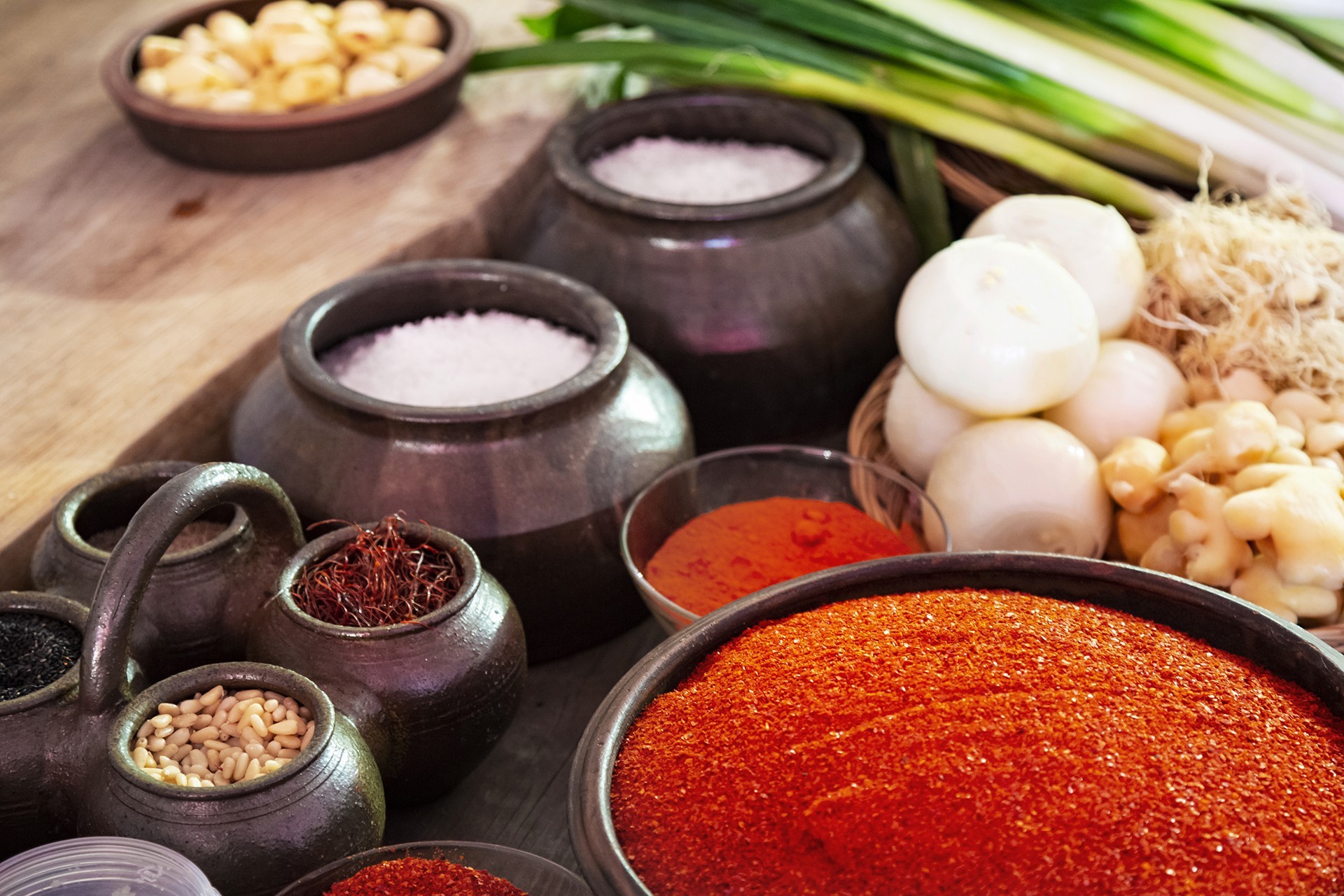
It is possible to make various assumptions on the origin and the dissemination process of kimchi. Korea is the first and almost the only country to use chili pepper in pickled vegetables, and developed it in earnest and in various forms among many societies in the old world that enjoyed pickled vegetables over time.
Kimchi and gimjang, in particular, are high-quality cultural traditions that have developed by interacting not only with natural conditions, such as the climate and the soil in Korea, but also the knowledge and skills of the traditional society, family, and kinship system, as well as the social organization in Korea, though exchange with the outside world was relatively limited.
Therefore, it is not reasonable for Japan to secure vested rights by registering kimchi as its own food in the International Food Standards, or for China to claim the origin of kimchi as its own with pao cai. One of the proverbs that can be used in this situation is, “Don’t drink kimchi soup first, when no one thinks about giving you rice cake.(Don’t count your chickens before they hatch).” This proverb shows the purpose of kimchi well, and it has been with our people for a long time. An ugly person was compared to tasteless kimchi that wasn’t ripe, and a person who was insignificant and ugly was compared to the leftover kimchi juice after eating kimchi. Before we get angry at the debate over kimchi, we must make an effort ourselves to discover the status and the humanistic value of kimchi in food culture.
The kimchi culture does not exist in the records of literature, but in our lives. Think about it. When we take pictures, we don’t say “smile,” but we say “kimchi.”