

한식에 대한 다채로운 이야기를 전하는 온라인 매거진
The Comforting Power of One Bowl, Hansik Warms the Soul
One Day, One Dish, A Flavorful Journey
Proust’s famous madeleine scene in In Search of Lost Time captures how a simple bite can unlock forgotten emotions and transport us through memory—showing that “comfort food” means more than just good taste; it’s about power that soothes the soul. What meals provide that kind of emotional refuge now? And how is Korean food—Hansik—transforming into this category of “comfort cuisine”?
The Science Behind Memory’s Flavor

In today’s world, where anxiety, fatigue, and isolation are constant features of daily existence, more people look to food for emotional relief. They crave “comfort food”—meals that calm mental turbulence and bring back a feeling of inner balance. Science offers an explanation for food’s capacity to heal the mind. Our brain’s emotional and memory centers are intimately connected, so even a recognizable scent can instantly evoke joyful recollections. The potency of comfort food comes not just from its flavor but from the individual experiences tied to it—the narratives and instances that give a meal the feeling of belonging.
Hansik: Keeping “Mom's Authentic Flavor” Alive
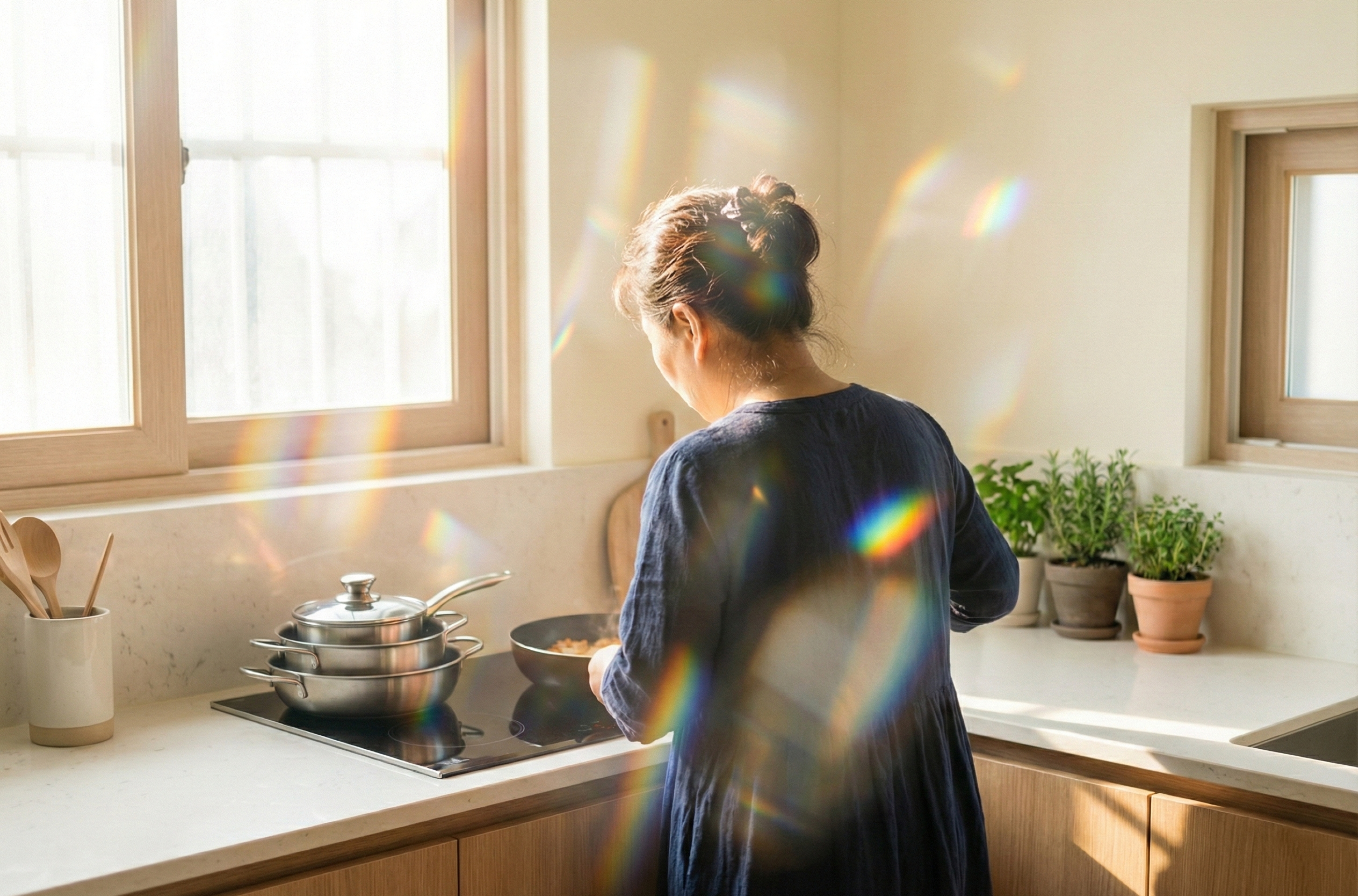
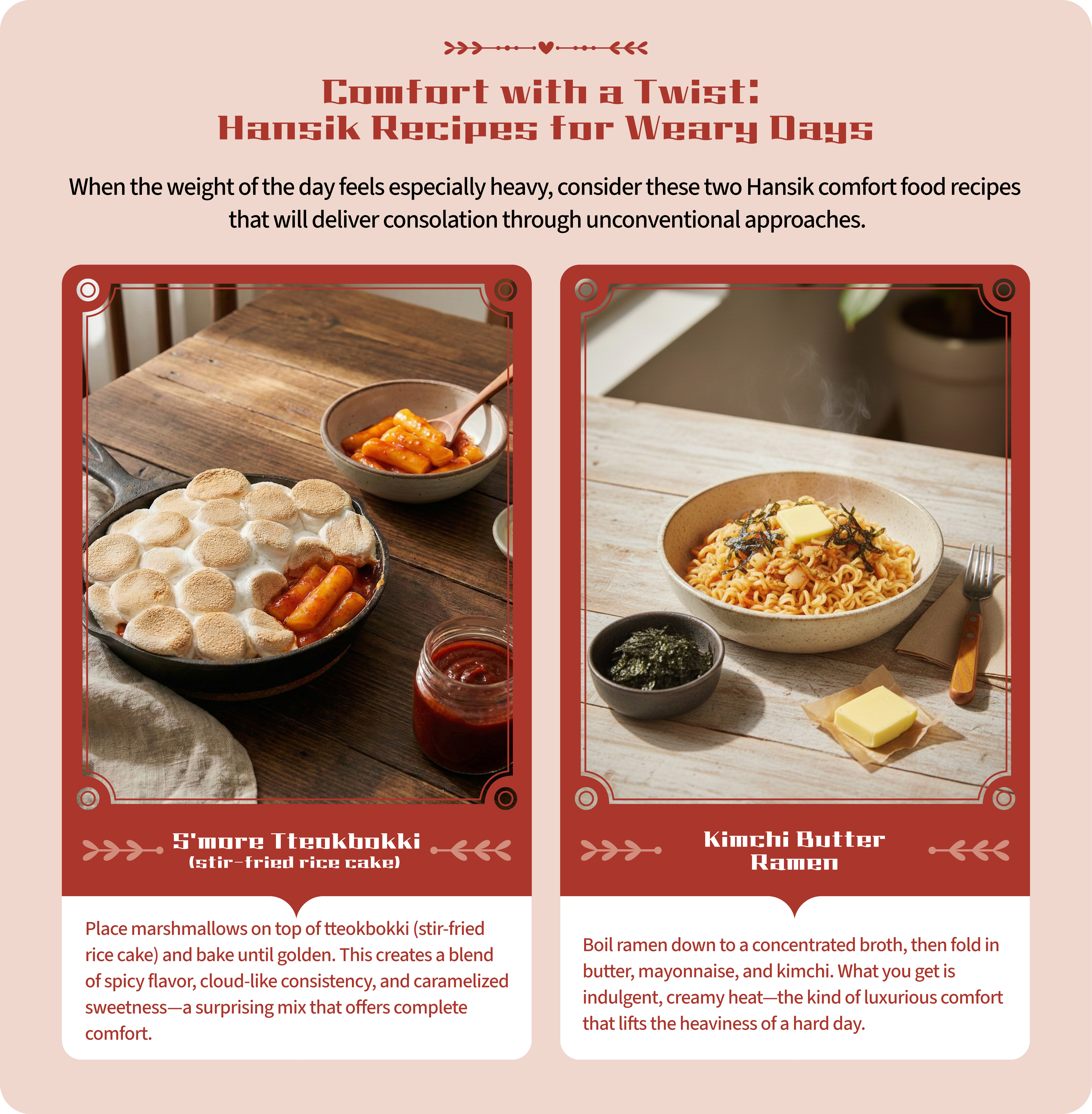
What foods bring the greatest solace to Koreans? In 2020, amid pandemic hardships, Seoul surveyed ten thousand residents about their most comforting meals. Tteokbokki (stir-fried rice cakes) ranked first, followed by kimchijjigae (kimchi stew), samgyetang (ginseng chicken soup), ramen noodles, and doenjangjjigae (soybean paste stew)—a distinctly Hansik lineup. People gave straightforward reasons for their picks: “This is how my mom prepared it,” “The flavor from my childhood when she cooked for me.” What makes Hansik truly comforting is the care embedded in every dish, the childhood memories captured in each flavor, and the yearning for home.
Shared Tables, Shared Warmth
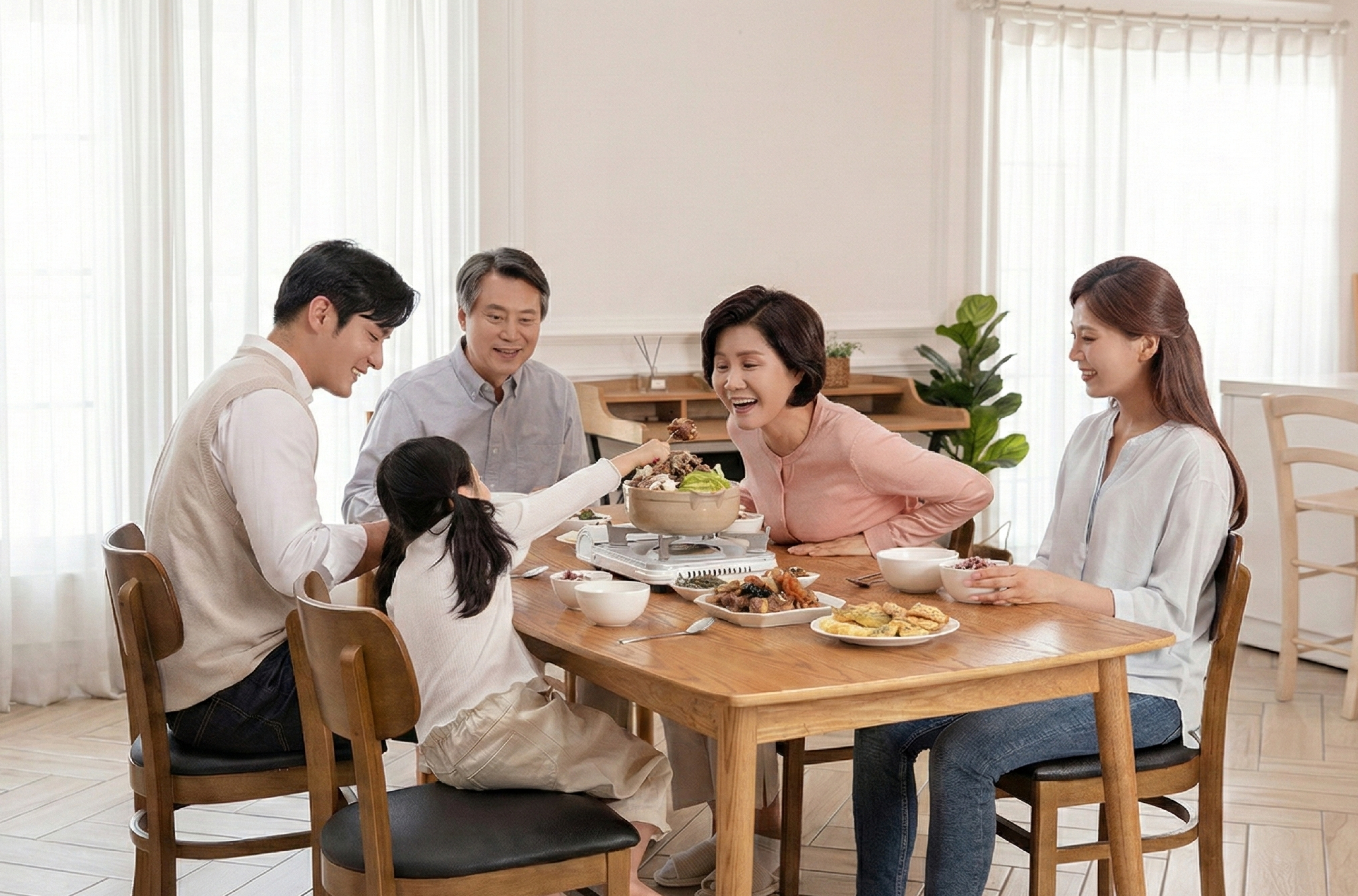
The comfort Hansik provides comes not only from taste but from the dining experience itself. Eating rice, soup, and side dishes together from shared plates organically creates connection and strengthens relationships, promoting emotional well-being. Research from Oxford University in 2017 supports this: those who eat socially more often experience higher happiness and life satisfaction. Hansik weaves together both strands—the memory embedded in familiar flavors and the communal nature of shared meals—to provide genuine solace to those facing uncertain times.
Hansik: Bringing Solace Across Cultures
Hansik’s comforting qualities are spreading globally. In 2023, the New York Times called dwaejigomtang (pork bone soup) “a feel-good joy of a dish,” noting it's “especially welcome on those days when you get some news you were hoping wouldn’t come.” That year, American outlets also highlighted tteokbokki (stir-fried rice cake) as Korea’s signature comfort food, remarking how it still evokes deep emotions for second-generation Korean Americans balancing dual cultural identities. Hansik combines soothing flavors, shared meals, and memories passed down through generations to become comfort food that transcends cultural boundaries, bringing solace to people around the world.