

한식에 대한 다채로운 이야기를 전하는 온라인 매거진
Hansik: Nurtured by Tradition, Blossoming Anew, Chef Son Jongwon
Explore the World of Hansik
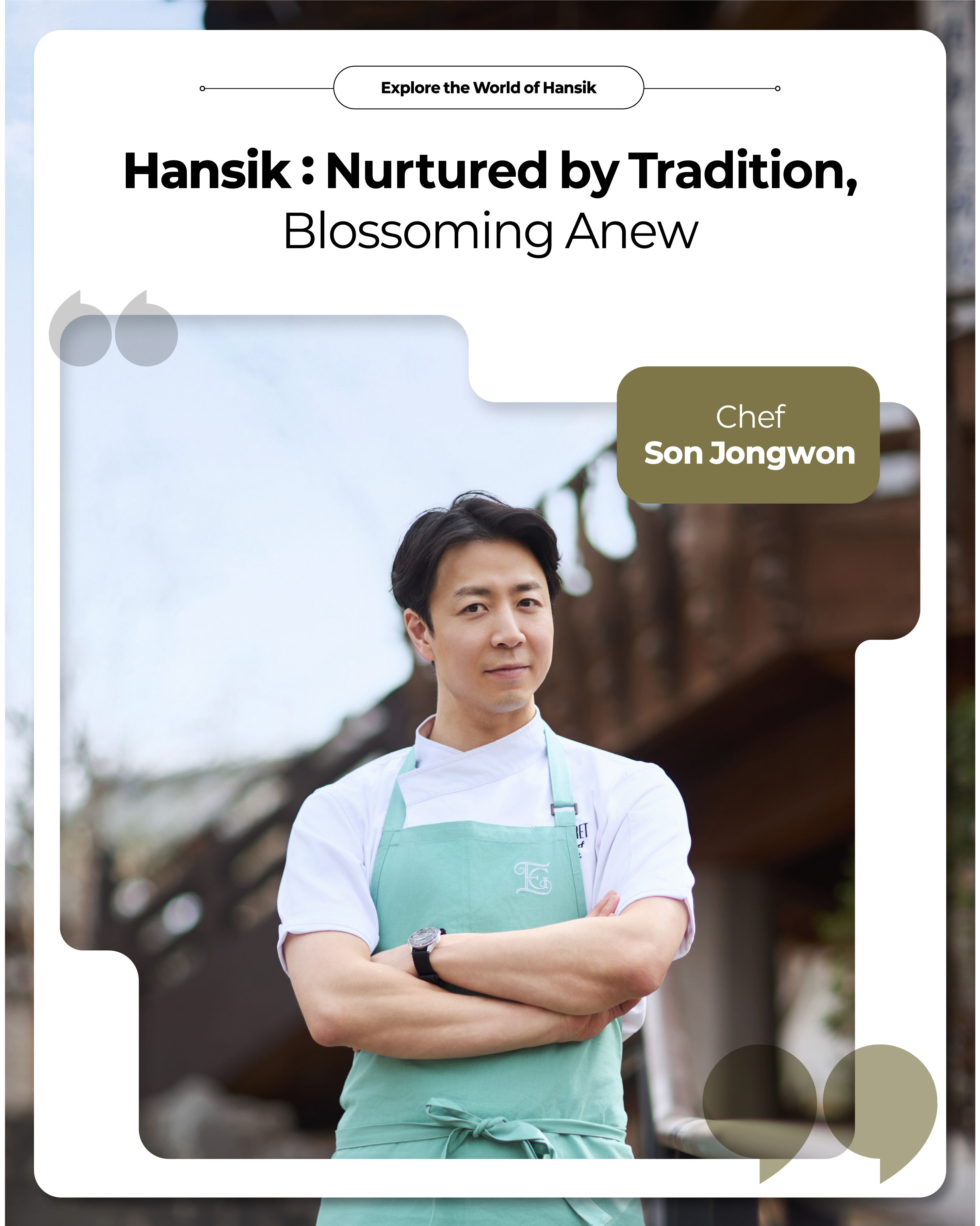
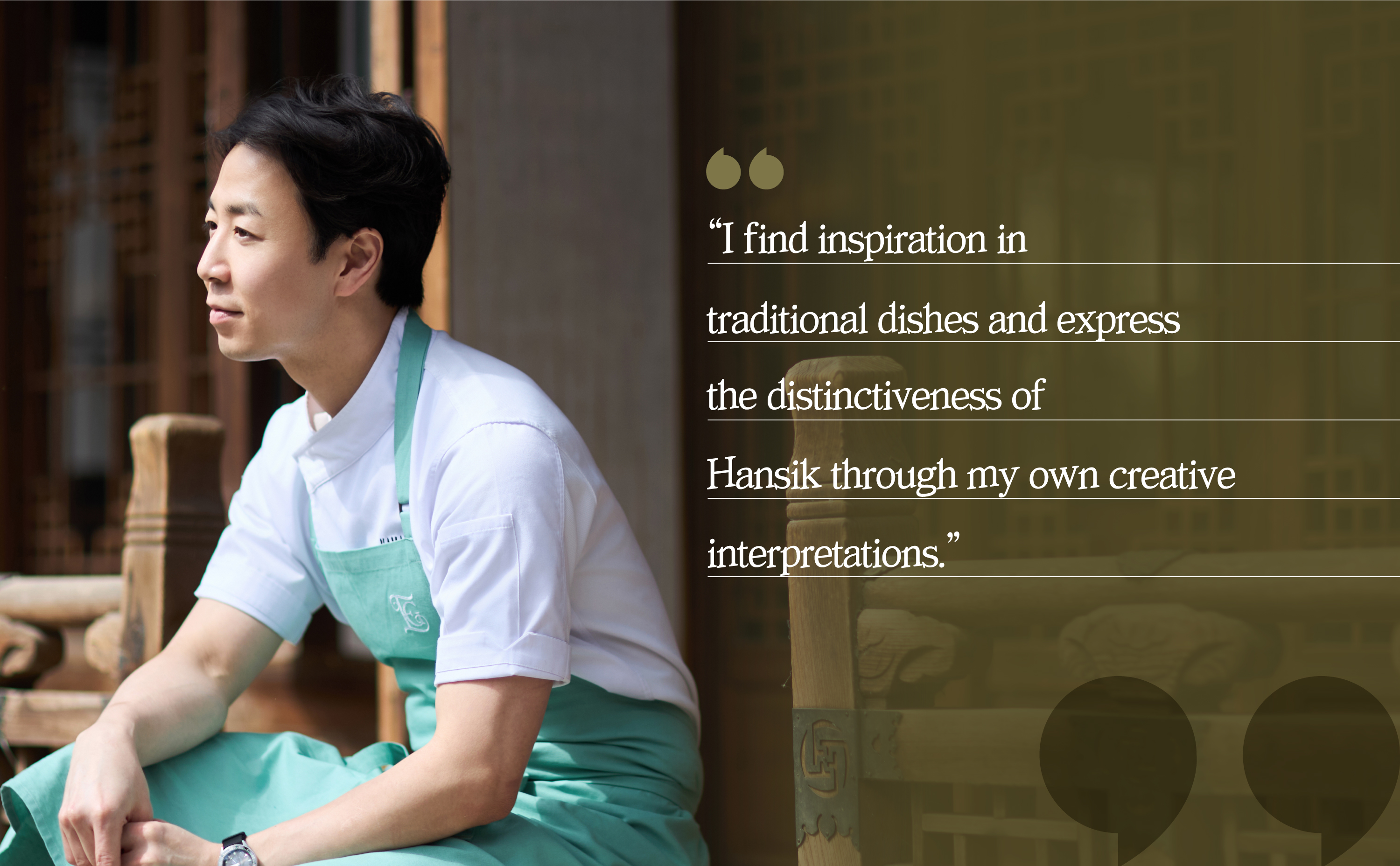
As Hansik gains international attention, a chef is pioneering new frontiers with his distinct originality — Son Jongwon. Despite an unusual academic background in engineering, he pursued his passion for cooking, aiming to captivate the world with dishes that embody the “essence of Korea,” rooted in his identity as a Korean. Remarkably, he is the only chef in Korea to simultaneously take the helm of two Michelin one-star restaurants. His innovative menus, which blend a profound understanding of traditional Korean ingredients with a fresh perspective and Western culinary techniques, have earned widespread acclaim from gourmets around the globe. Son Jongwon’s cuisine honors tradition while reinterpreting it in a contemporary style, offering a sophisticated reflection of the current landscape of Korean gastronomy.
Q. Could you share more about “L'Amant Secret” and “Eatanic Garden,” the two restaurants you are currently leading?
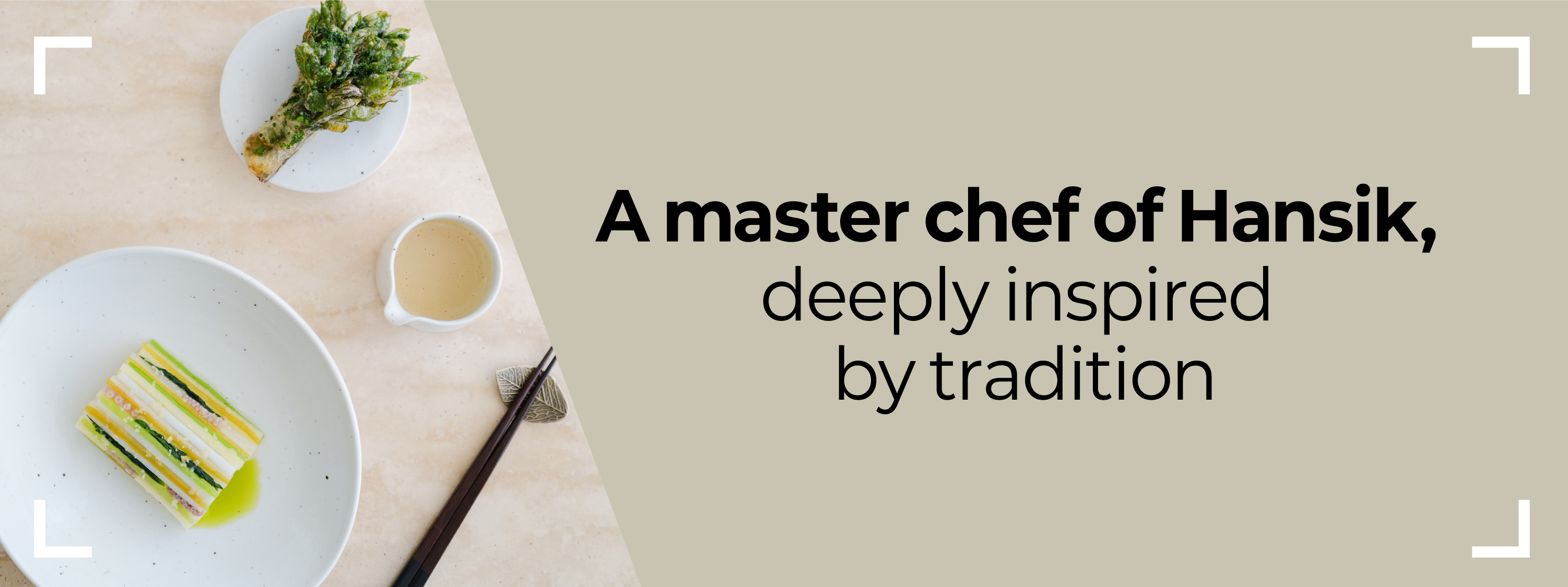
“L'Amant Secret” blends Korean ingredients with French cooking techniques to craft dishes that reflect the essence of the seasons and a commitment to sustainability. Meanwhile, “Eatanic Garden” offers a fresh interpretation of Hansik, presenting the aesthetics of fermentation and aging through meticulous research and a deep respect for tradition.
Q. What inspired you to open restaurants centered on Hansik?
A. Being Korean, I felt a natural affinity for Hansik and believed it was the genre where I could truly excel. Since originality is such an important element in cooking, I reflected on what would make my style distinct and realized that the flavors I grew up with could provide the clearest answer. Through continuous study of traditional Korean cuisine, I worked to deeply understand its roots while striving to create something new within that tradition.
Q. You’ve participated in the “Asia's 50 Best Restaurants” event for two years in a row. What motivated you to take part again, and what does this experience mean to you personally?
Last year, I was honored to be ranked 62nd, but this year I had the incredible experience of attending as an award recipient, having broken into the top 50. That achievement alone was deeply meaningful, but what made it even more special was receiving the award for the highest debut ranking in the top 50. It was particularly moving to see the event held in Korea for the second consecutive year and to witness so many Korean chefs coming together with a shared passion to promote Korean cuisine to the world.
Q. What do you prioritize when presenting Hansik at your restaurants?
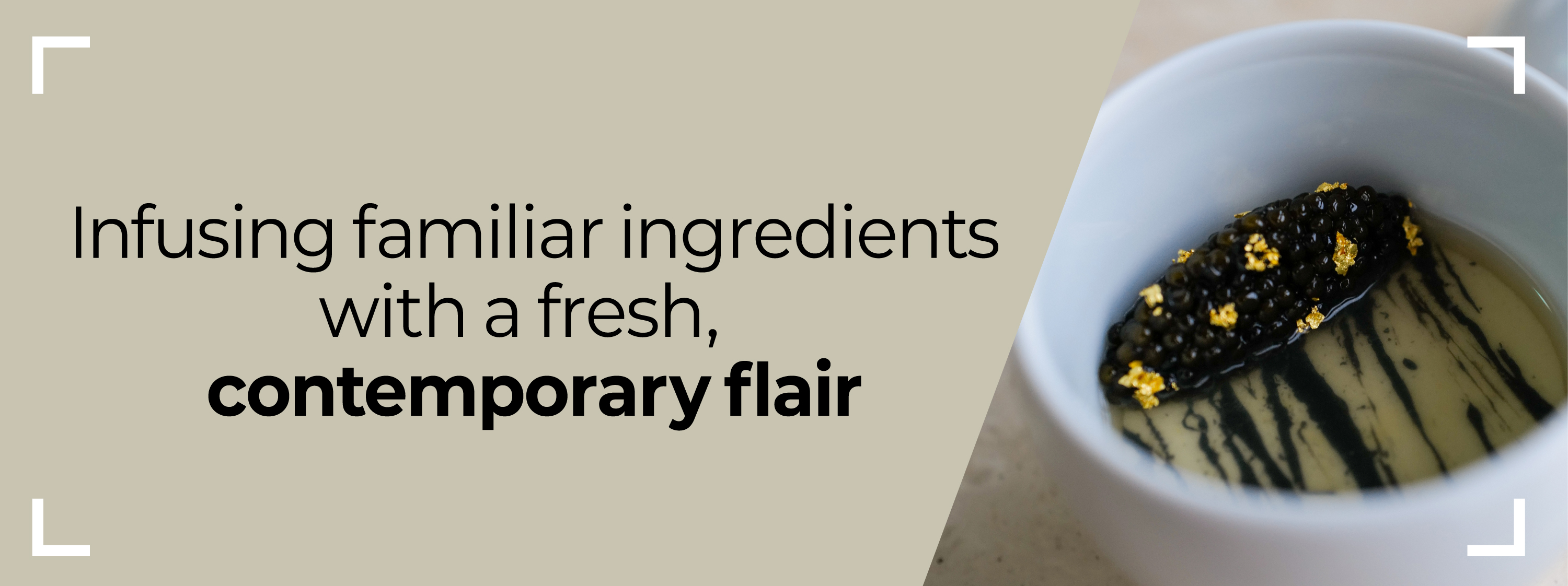
My goal is to share the “true essence of Korea” with my customers. Core elements of Hansik, like pastes (jang), kimchi, and vegetables (namul), are naturally woven into the dishes, sometimes even taking center stage. Through this, I engage in meaningful conversations with my customers, constantly exploring the best way to communicate what defines “good Hansik.”
Q. Where do you typically find inspiration when creating new recipes?
I often draw inspiration from traditional dishes. For instance, I once created a dish by layering abalone and meat using modern techniques, inspired by the method of grilling braised short ribs after steaming them. I also developed a reinterpretation of the beloved stir-fried glass noodles and vegetables (japchae), transforming it into small, bite-sized snacks.
Q. I notice you make great use of fermented foods and seasonal ingredients. Is there a particular ingredient you’ve been especially fond of lately?
I’ve developed a deep appreciation for Korean vegetables, or namul. I personally enjoy them, and the process of experimenting with the best cooking methods to bring out each vegetable’s unique flavor and aroma brings me great joy. I believe the tradition of using a wide variety of native vegetables from Korea’s mountains and fields is a remarkable cultural heritage that is unique to our country.
Q. When conveying the charm and value of Hansik ingredients to your customers, is there anything you particularly focus on?
I place great emphasis on preserving our culture and highlighting the distinctiveness of Hansik. For example, I incorporate the indigenous rice “Beodeul Byeo,” which is at risk of disappearing, into our menus, aiming to find creative ways to use traditional Korean ingredients. I also reimagine dishes, such as adding our own version of spicy raw fish salad on top of yugwa, a type of puffed rice snack. This is an attempt to give yugwa a new identity, moving it away from its traditional role as a dessert.
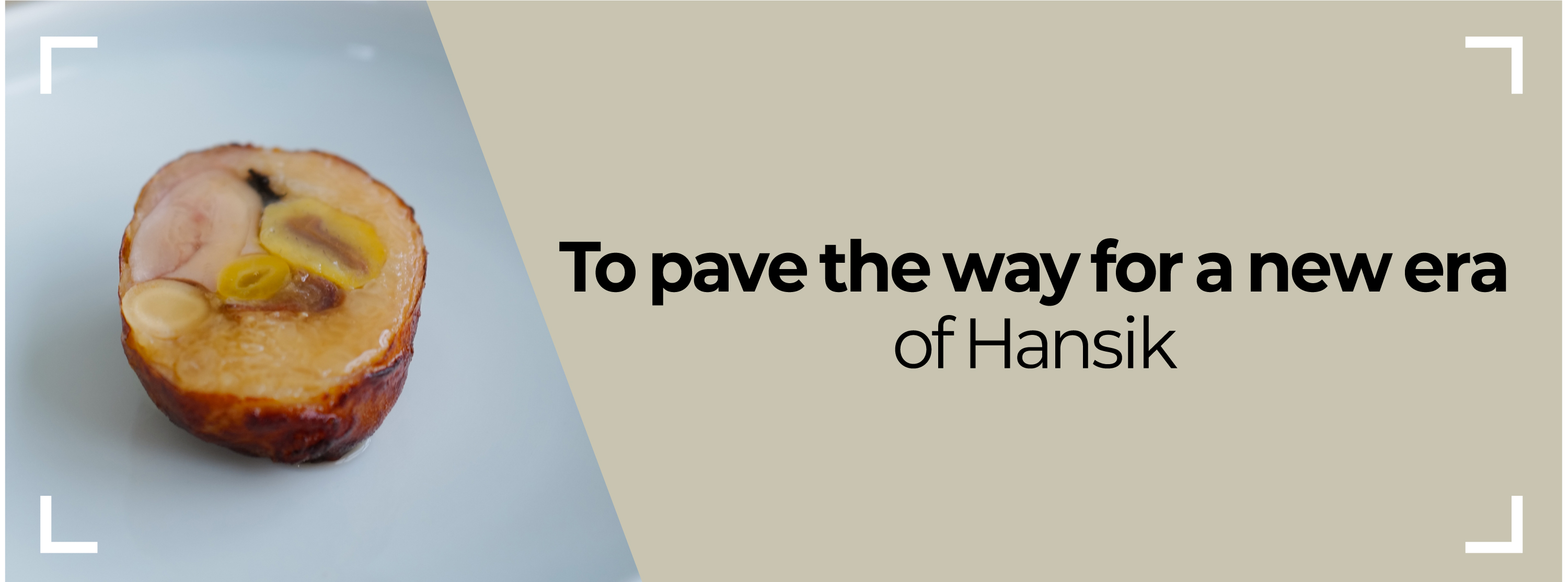
Q. The dish “Kimchi Fine Daheening,” which you introduced on the recent TV show Please Take Care of My Refrigerator, has generated a lot of buzz. Can you share the story behind its creation and development?
Unlike a typical restaurant kitchen, where all the necessary ingredients are readily available, it was quite a challenge to prepare a meal in under 15 minutes using only the ingredients found in the cast member’s refrigerator. Wrapped kimchi (Bokimchi), which involves aging and adding various ingredients to kimchi, is not a well-known technique. I created this dish with the intention of introducing this beautiful yet lesser-known aspect of Hansik to a wider audience through the TV program.
Q. From your perspective, what is the value of Hansik, and what are your plans for its globalization?
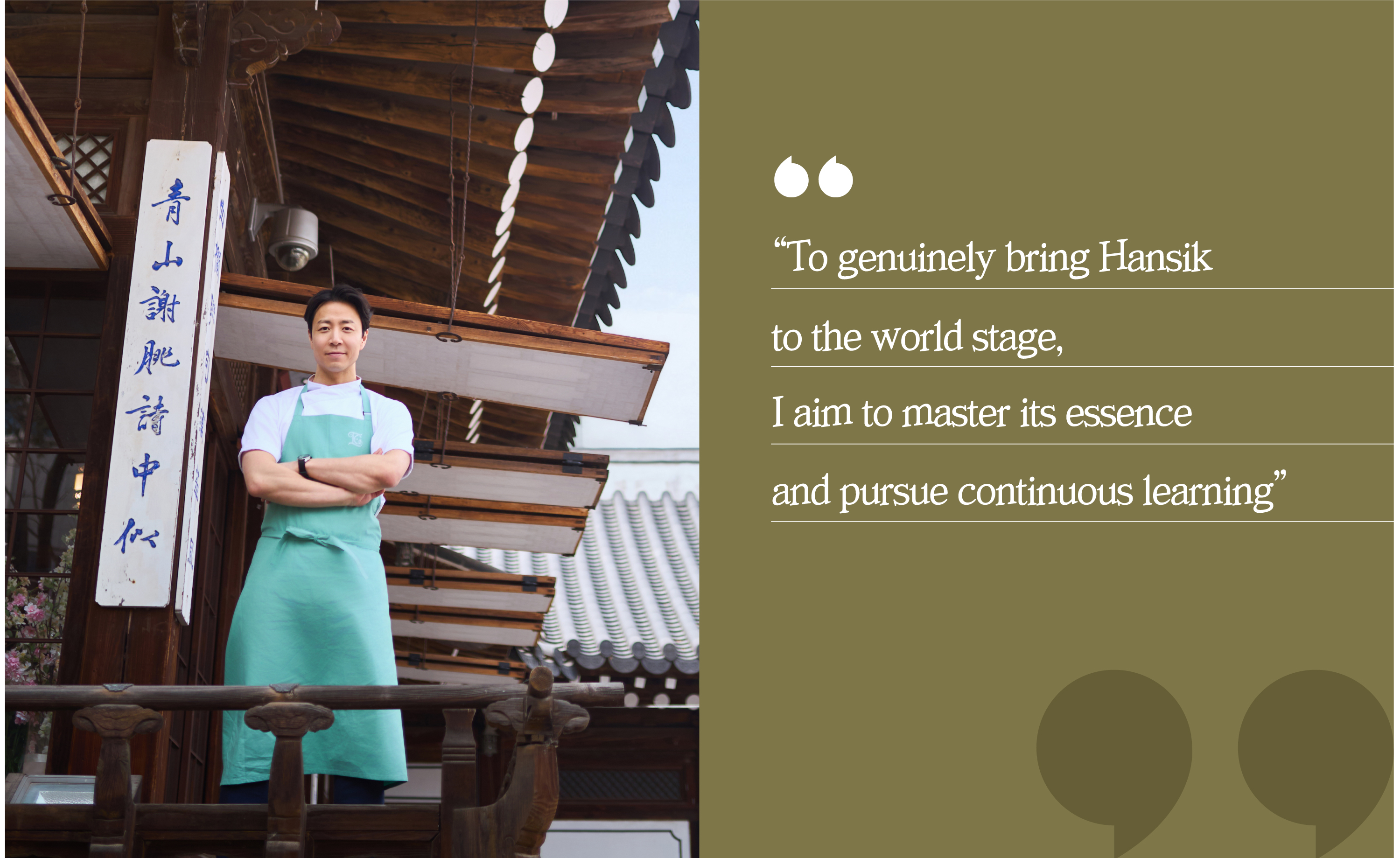
Beyond the foods that are already recognized as “K-food,” Hansik has a vast range filled with numerous wonders and delicacies. I believe the true globalization of Hansik lies in the process of genuinely understanding and sharing these diverse dishes. To achieve this, my efforts must start with a deep and accurate understanding of Hansik. I am committed to continually seeking knowledge and sharing it through food.