


한식에 대한 다채로운 이야기를 전하는 온라인 매거진
Seasonal Seafood Recipes Featuring the Freshness of The Winter Sea
Reader’s Recipes
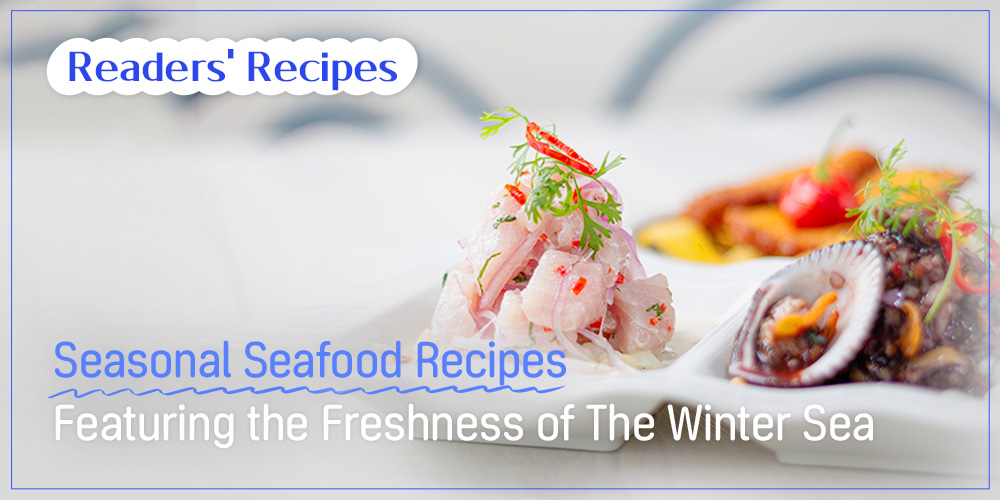
As the cold winds blow, the flavors of the winter sea deepen. Sea creatures enduring the cold weather accumulate fat, making their flesh firmer, thereby enhancing taste and texture. When the cold peaks in January, both yellow tail and oysters plump up, and the texture of gwamegi (half-dried saury) dishes also becomes chewier. In this issue, we introduce seasonal seafood dishes that become even more delicious in the cold winter. Let's explore the finest flavors of the winter sea right now!
Reader Instagram @julie_at99, @zzini_kkini, Blogger 순둥작가

Enjoying Yellow Tail in an Unconventional Way:
Yellow Tail Ceviche
Ceviche is a Peruvian dish where seafood is thinly sliced and marinated in lemon juice, served cold. In Korea, the seasonal delicacy of yellow tail hoe is an excellent ingredient for ceviche. Yellow tail ceviche boasts the savory richness of oily seasonal yellow tail, combined with the tartness of lemon, creating a unique and flavorful taste. The marinating process also enhances its chewy and firm texture. This winter, try enjoying seasonal yellow tail in a more unconventional way with yellow tail ceviche.
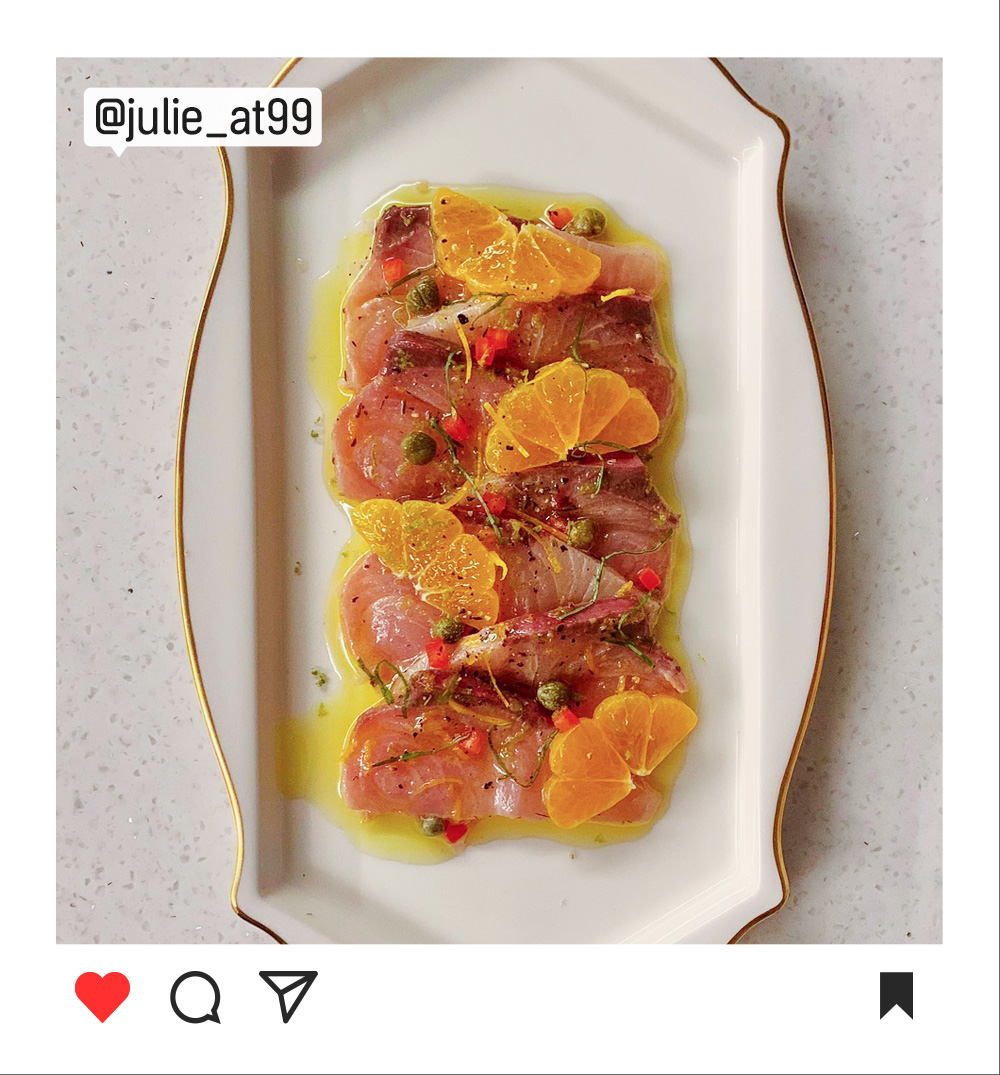
Ingredients
150g yellow tail, Lime juice, 1/2 Lime, 1/2 orange, a pinch of basil, 2 tablespoons of olive oil, 1/2 tangerine
Directions
① Cut the yellow tail into bite-sized thick pieces.
② Grate the zest of lime and orange using a grater to extract the zest.
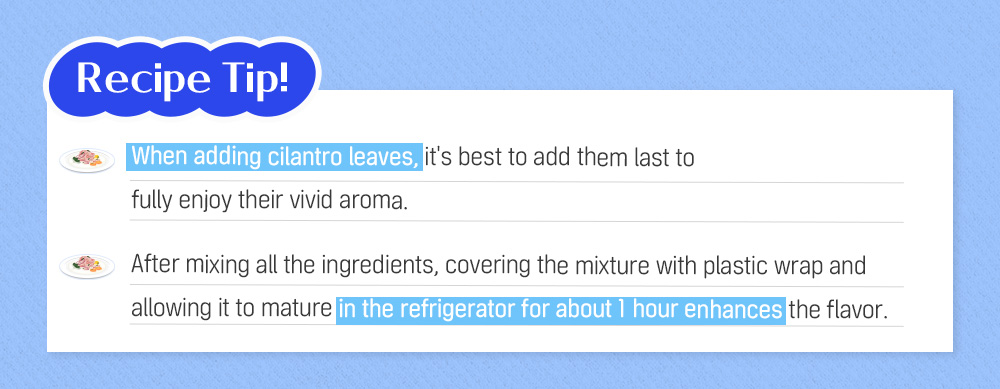
③ Mix the cut yellow tail, zest, basil, and olive oil together thoroughly.
④ Slice the tangerine into pieces for decoration and final touch.

The Seasonal Meeting of Oysters and Radish
Mugulbap (oyster radish rice)
Oysters are known as the "milk of the sea" due to their abundance of essential amino acids, calcium, and other nutrients. This winter, let's try making mugulbap (oyster radish rice) by filling a thick pot with seasonal oysters and radishes. The savory oysters combined with fluffy rice, complemented by the sweet and seasonal taste of radish, create a warm and hearty winter meal.
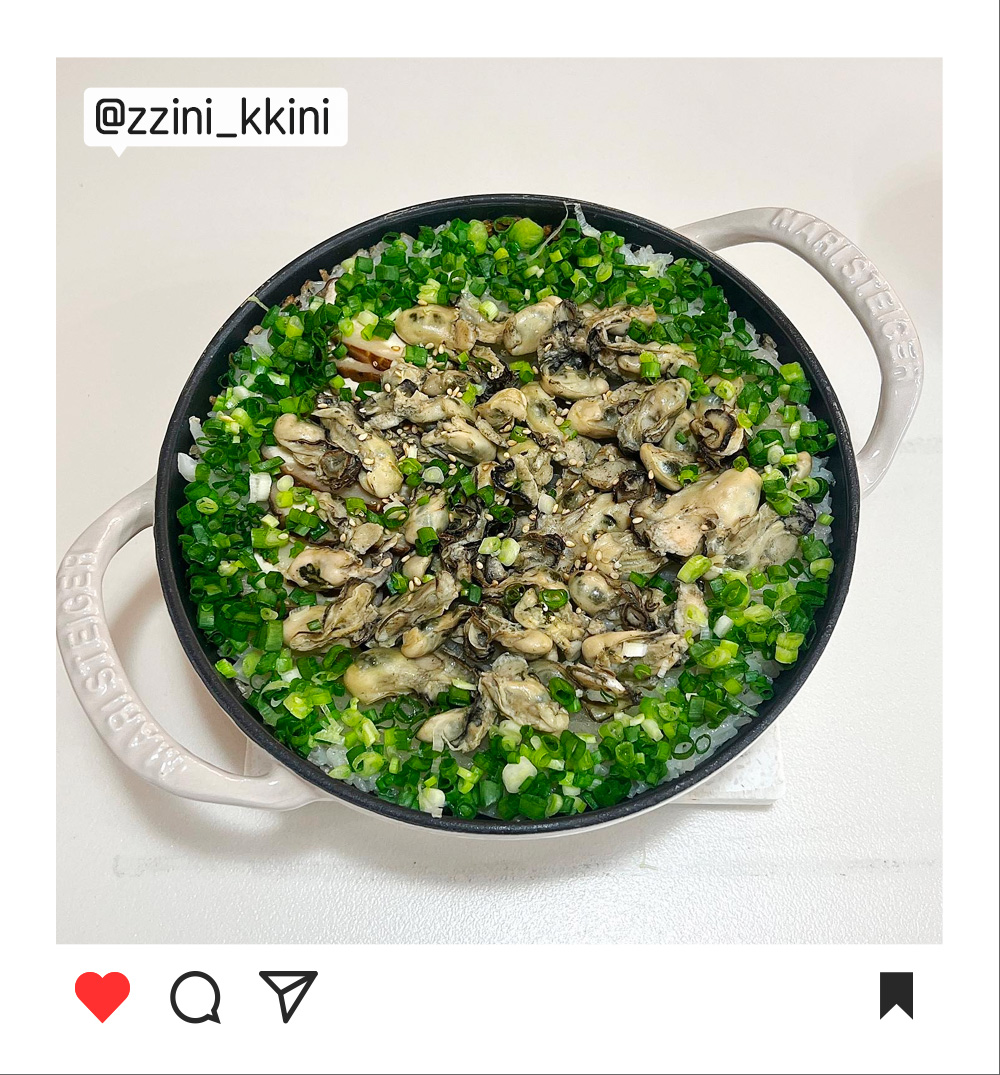
Ingredients
250g of oysters, 150g radish, 2 cups if rice, 5 tablespoons of sliced green onions, 2 tablespoons of toasted sesame oil, 1 tablespoon of salt
[Seasoning Sauce] 4 tablespoons of soy sauce, 1/3 tablespoon of minced garlic, 1 tablespoon of chopped green onions, 2/3 tablespoon of gochutgaru (chilli pepper powder), 1 tablespoon of toasted sesame seeds
Directions
① Rinse the rice thoroughly and soak it for 30 minutes, prepare the radish and green onions by slicing them.
② Put 1 tablespoon of coarse salt into the oysters, stir well, and rinse them thoroughly.
③ In a pot, add the soaked rice, radish, sesame oil, and water, and bring to a boil.
④ Once the rice water boils, reduce the heat and place the oysters on top.
⑤ Prepare the seasoning sauce separately with the provided ingredients.
⑥ Turn off the heat and let the oyster rice sit for about 5 minutes to finish.


An ideal introductory dish to Gwamegi
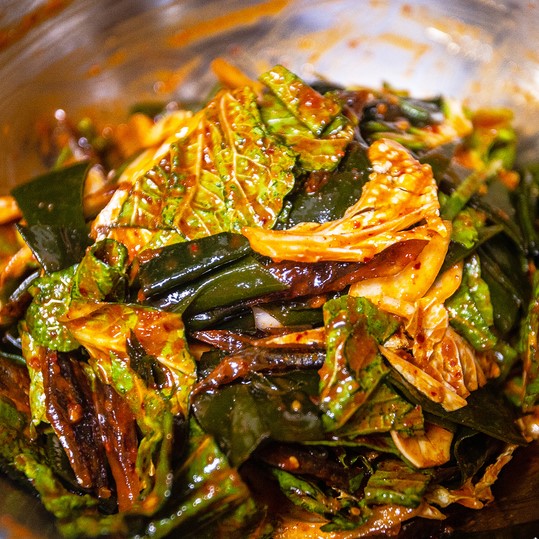
Gwamegi Muchim (half-dried saury salad)
Gwamegi is made from half-drying either saury or herring in the sea breeze. It's commonly enjoyed by dipping in chojang and eating as a ssam (leaf wraps). However, for those who are not yet accustomed to the taste of gwamegi, try mixing it with radish along with various vegetables and seasonings. The spicy and sweet rich sauce eliminates the fishy taste while beautifully complementing the savory flavor of gwamegi, creating a dish that anyone can enjoy without hesitation.
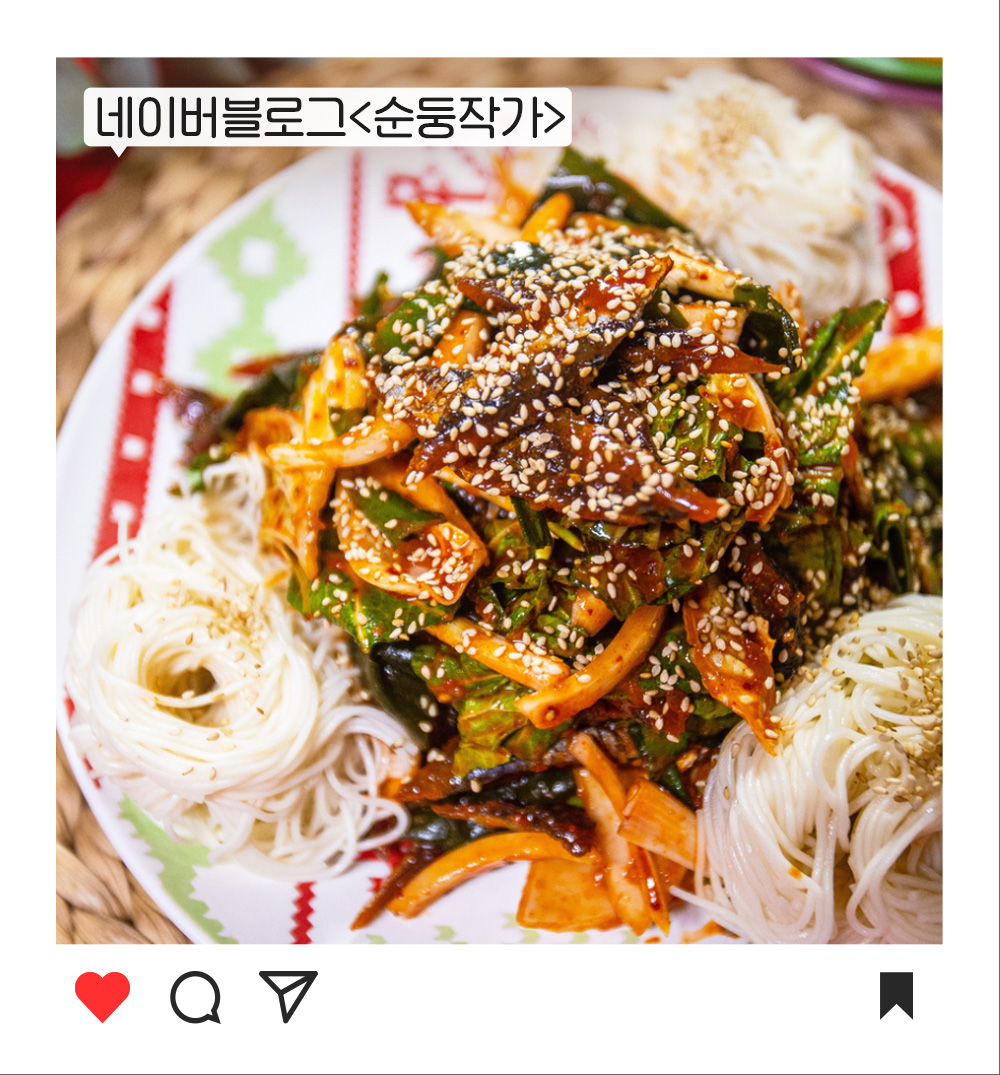
Ingredients
5 pieces of gwamegi (half-dried saury), 4 leaves of lettuce, 1/4 onion, 1 cheongyanggochu (extra spicy green chili pepper), 5 cloves of garlic, somyeon (noodles)
[Sauce for Salad] 2 tablespoons of gochujang, 1 tablespoon of gochutgaru, 3 tablespoons of sugar, 2 tablespoons of vinegar, 1 tablespoon of maesil (plum) extract, 1 tablespoon of sesame oil, 1 tablespoon of soy sauce, 1 tablespoon of sesame seeds
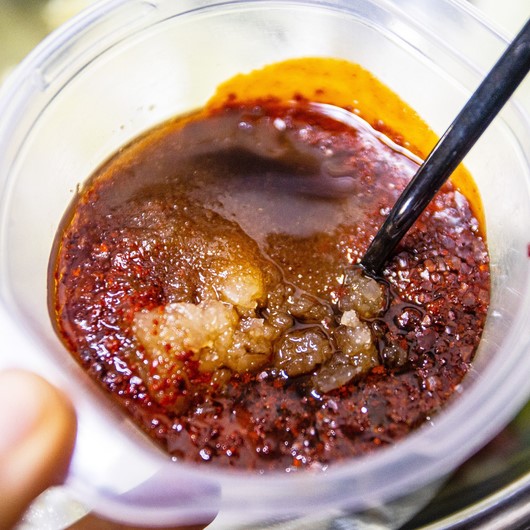
① Mix all the salad sauce ingredients.
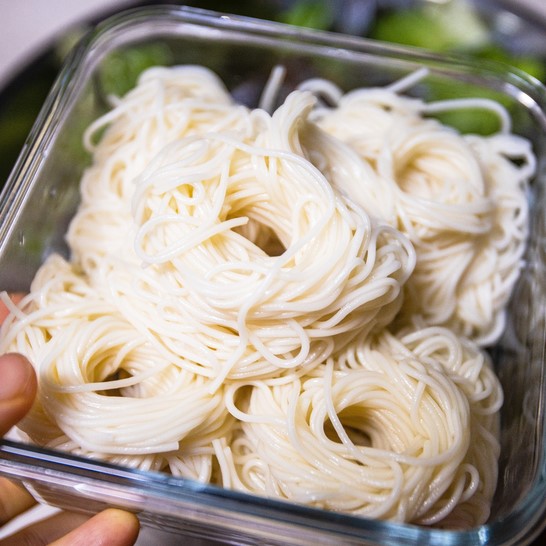
② Cook the somyeon and round them up neatly.
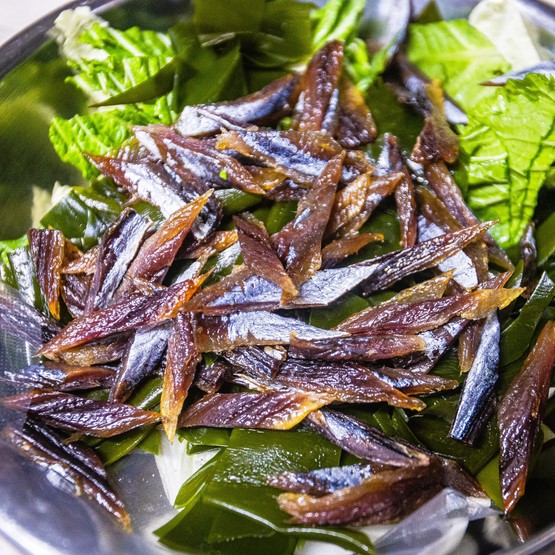
② Cook the somyeon and round them up neatly.
② Cook the somyeon and round them up neatly.