


한식에 대한 다채로운 이야기를 전하는 온라인 매거진
On-going Transformation of Rice, A Permanent Fixture in Korean Cuisine
[Colorful HANSIK] Editor's Letter
If your image of rice is simply a bowl of plain white rice on the corner of your table, it's time to explore the exciting transformations that rice is undergoing in line with the "Healthy Pleasure" trend, which focuses on enjoying food that is both delicious and health-conscious.
Rice is currently evolving to offer delicious, healthy, and convenient dietary options. It's being infused with various colors, flavors, and additional nutrients. Beyond traditional uses like making rice and rice cakes, rice is now being creatively incorporated into bread, pasta, snacks, ice cream, plant-based yogurt, and even beer. This transformation of rice into new and innovative food products is both refreshing and creative.
So, let’s forget about the ordinary image of rice and follow the fascinating transformation of rice as it becomes an exciting new culinary creation.
“Rice is the Best Medicine” Rice, Fulfilling for Your Body and Mind
The saying "rice is the best medicine" has been prevalent in Korea for a long time, and not without reason. Rice is indeed a valuable crop packed with essential amino acids, dietary fiber, minerals, substances that lower blood pressure and cholesterol, and even antioxidants that help prevent aging.
Rice, one of the world's top three crops, is the inner most grain or seed that is found after peeling off the husk and the bran of the rice plant fruit, of which 66 percent of the nutrients are concentrated in the rice germ and 29 percent in the rice bran. This is why brown rice, which retains the outer bran layer, is considered healthy.
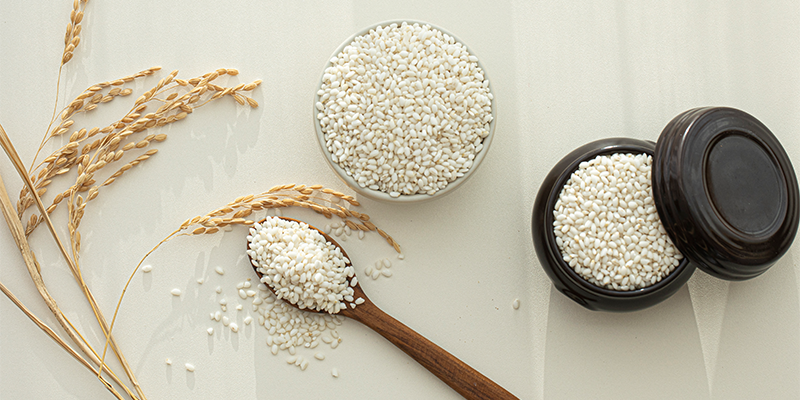
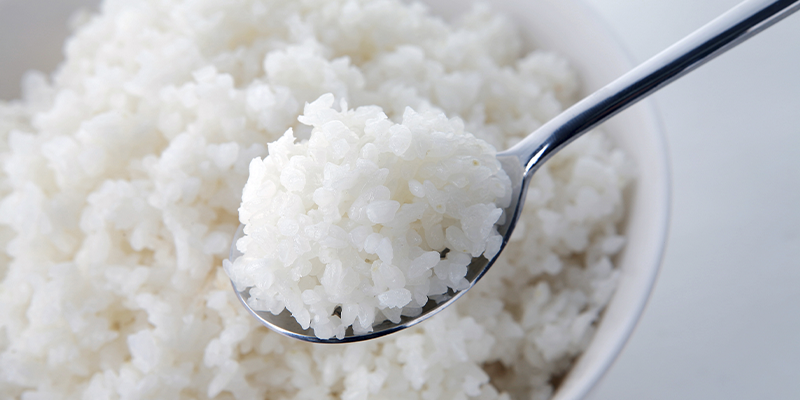
Polished Baengmi (white rice) commonly used to make the typical sticky rice is grain with the bran and germ removed. It's often misunderstood as being less healthy due to its high carbohydrate content.
However, the carbohydrates in rice are complex carbohydrates, not simple sugars like glucose or fructose. They are absorbed slowly in the body and provide steady and essential energy, making them a valuable source of nutrition. Furthermore, white rice is rich in phosphorus, an essential mineral for bone and teeth, and contains better quality protein compared to other grains.
Colorful Rice, Choose According to Your Own Taste & Style
In South Korea, annual rice consumption has been steadily decreasing due to changes in food, dietary habits and lifestyles. According to the 'Food Grain Consumption Survey in 2022' released by Statistics Korea, the per capita annual rice consumption in the previous year was 56.7 kg. Considering that a typical serving of rice is about 90g, this means that an average person consumes only about 1.5 servings of rice per day.
Although people are eating less rice compared to the past, rice continues to evolve to offer more delicious and healthy meals. Interest in rice with excellent texture and stickiness has increased, and there has also been a natural growth in the development and production of high-quality functional rice.
As South Korea boasts a variety of excellent rice varieties, individuals are able to choose and enjoy rice based on their preferences. For example, 'Golden Queen Rice No. 3' is known for its nutty popcorn-like aroma, making it suitable for dishes like Deopbap(rice bowls), while 'Yeongho Jinmi' offers a delightful rice grain texture that is perfect for Dolstobap(hot stone pot rice), and 'Odaessal' with its adequate level of stickiness and fluffiness is excellent for making fried rice. These rice varieties are developed according to the diverse climates and soil conditions across the country, each possessing unique characteristics as pure domestic rice varieties.
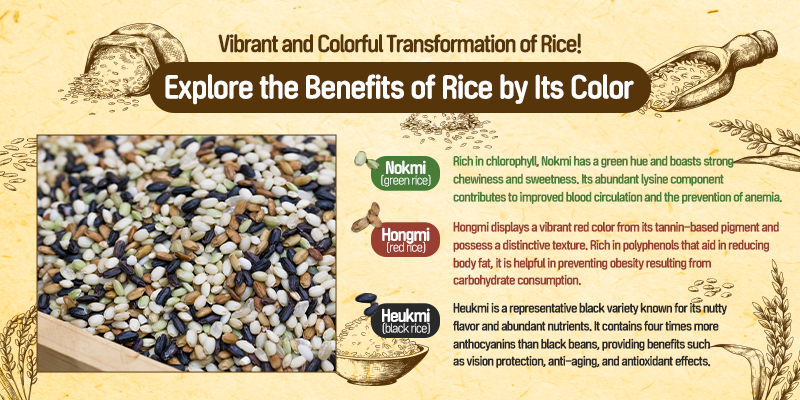
When talking about our rice, we can't leave out the story of colored rice, which not only provides good nutrition but adds the pleasure of colors. Did you know that Heukmi(black rice), which we commonly eat, is also a type of colored rice? Colored rice varieties, including black rice, red rice, and green rice, are distinguished by the natural color of their outer husks, called ‘gwapi.’ These rice varieties naturally contain pigments that make them rich in both nutrition and flavor.
Particularly, the nutty taste of Heukmi(black rice) is good for anti-aging and immune enhancement, while Hongmi(red rice), with its vibrant red hue, is known for its excellent antioxidant properties. Nokmi(green rice) helps improve blood circulation and prevents anemia.
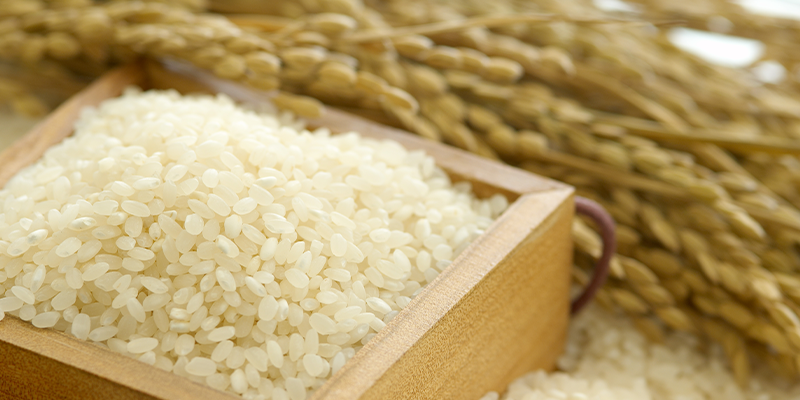
So, go ahead and choose your rice according to your preference in taste and nutrition and enjoy the “Healthy Pleasure” of health management
Really Made of Rice? The Transformation of Rice is Innocent!
You may be surprised to learn that your favorite meal, whether it's ramyeon, pasta, kalguksu, bread, or beer, might be made of rice-based products instead of wheat flour. The consumption of rice-based products has been steadily increasing in line with the gluten-free trend and the export volume of rice also continues to set record highs every year.
Gluten is a complex protein found in wheat, barley, and other grains. While it makes bread soft and fluffy, it is known to cause gastrointestinal disorders and autoimmune diseases, as well as allergies. With the gluten-free trend on the rise, rice and rice-based products have emerged as alternatives to wheat flour.
In the retail industry, there has been a trend of launching snacks and food and beverage products made from rice or introducing rice snack brands. The idea that beer can only be made from barley is now outdated. For example, the handmade rice beer made from Icheon rice that was introduced last August created a big buzz for its mild sweetness and smooth flavor.
With new opportunities opening up for rice in various forms, it is likely that we will continue to see a wider range of rice-based products in the future. In 2019, the government developed a rice flour variety aiming to stabilize the rice industry and replace wheat flour, which heavily relies on imports. Recently, it has been gathering efforts to further promote the rice flour industry by supporting food companies in developing rice flour products.
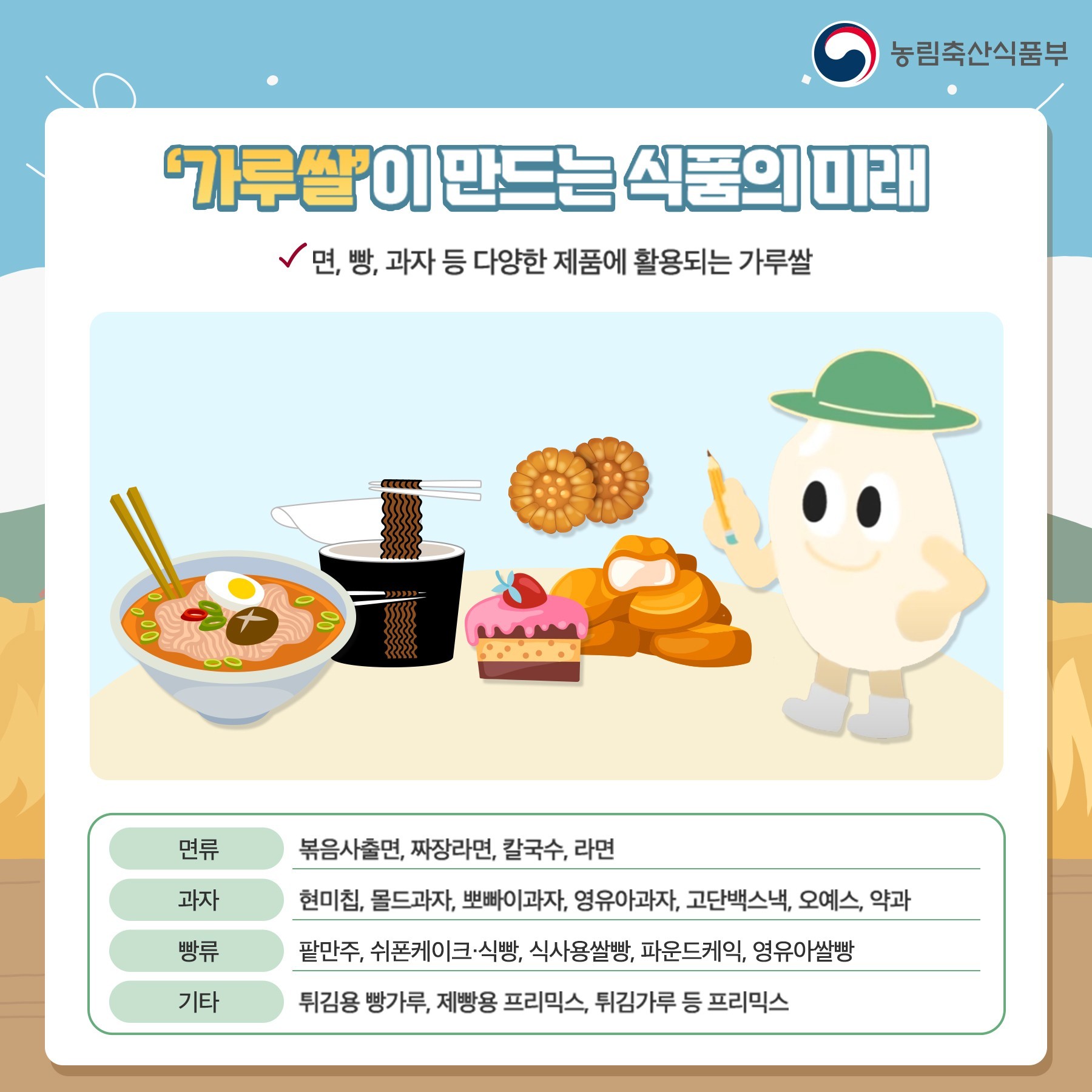

Unlike normal rice, rice flour can be ground like flour and made into powder without being soaked in water, so it has the advantage of making various rice processed foods. Thanks to its softness and moisture compared to regular rice, fermentation can be accelerated, which is expected to be used in various ways to make bakeries and rice cakes.
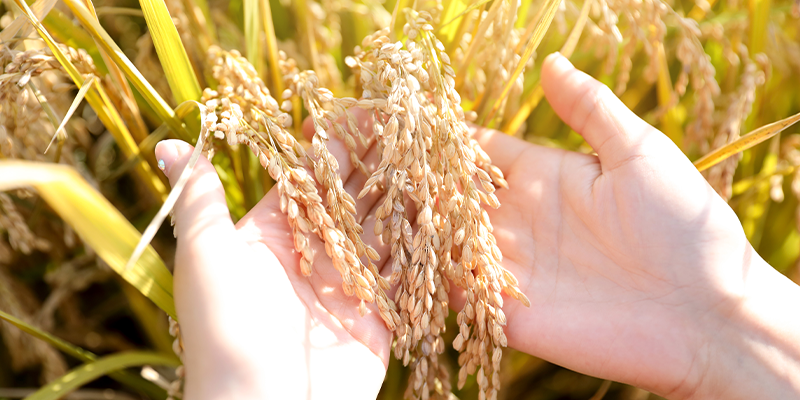
For us, who have long considered eating meals three times a day important, steamed rice and rice were so familiar that they did not feel precious. However, the lively transformation of rice begins now. Beyond the table, we are looking forward to a new look of rice that will come into our daily lives.
References Encyclopedia of Korean Culture, Korea Policy Briefing, The Kroea Rice Foodstuffs Association Magazine <RICE UP LIFE UP>, Press releases on functional rice