


한식에 대한 다채로운 이야기를 전하는 온라인 매거진
Dubu, A Magical Gift From Beans
[Colorful HANSIK] Pure White Charms of Dubu
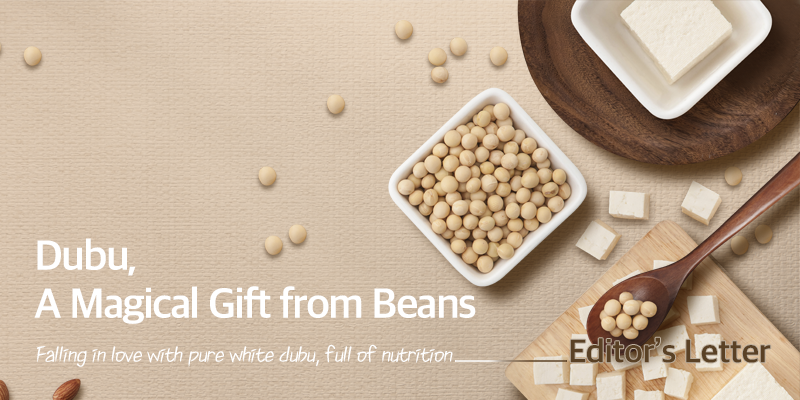
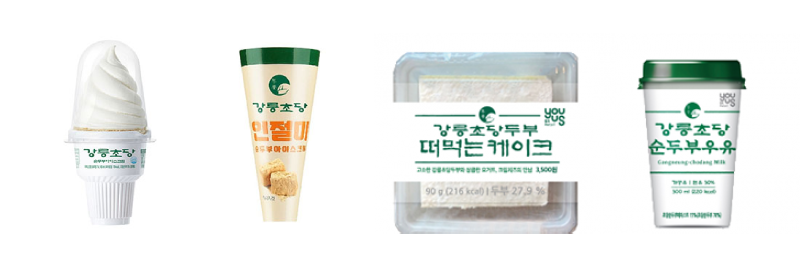
The popularity of dubu (bean curd) has reached another level. Ice cream, milk and cake made of dubu have started to fill the shelves of convenience stores, and in marts it is easy to find processed dubu food such as dubu noodles and pasta. Dubu used to be thought of as 'not so special' due to its bland taste and plain white color. Yet dubu is now transforming into something that satisfies the tastes of a broad range of age groups.
Dubu's value is also being revisited. Since the covid pandemic, 'value consumption,' where consumers prefer a healthy and sustainable lifestyle, has increased. More consumers choose dubu, which is rich in plant-based protein, emitting less greenhouse gases than animal protein and thus is more beneficial for environmental protection.
Dubu may look ordinary. But dig a little deeper and you will find yourself fascinated by its huge potential and attractiveness.
An unexpected insurgency: dubu captivates the Millennials and Gen Z
There is a well-known dubu town in Gangneung, Gangwon-Do, east of Seoul, called Chodang Dubu Village. It is said that Heo Yeop, father of Heo Gyun, who wrote <Hong Gildong Jeon> during the Joseon Dynasty, first made dubu with sea water here. The village was named after Heo Yeop's pen name, Chodang, and Chodang Dubu still uses sea water as a coagulant.
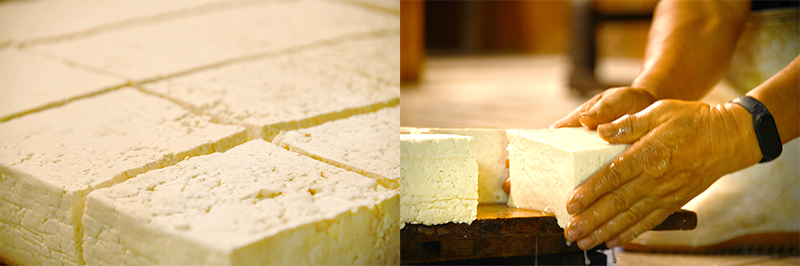
In general, when making dubu, salty water made by precipitating magnesium, calcium or sun-dried salt is used as a coagulant. The fact that Chodang's sea water is used as a coagulant means that it is rich in magnesium and calcium, which is why Chodang Dubu is richer and nuttier in taste and trying this dubu is a must if you are in town.
Chodang Dubu has been a firm supporter of tradition but since last year it joined hands with several businesses to add a layer of young sensibility and its dubu dessert became a huge hit. Dubu dessert places in Gangneung selling jelly-like and nutty dubu gelato and dubu pudding are key spots to drop by when traveling the area. Chodang Dubu's creations has been capturing the young generation's curiosity and attention.
"From baby food to silver food" - Loved by all generations
Soft in texture and rich in nutrients, dubu is perfect for both small children and the elderly who have difficulties chewing and swallowing or have weak digestive systems. Recently, it is gaining popularity among the health-conscious young generation as not only are they keen on staying fit but also the vegan and gluten-free diets have caught on.
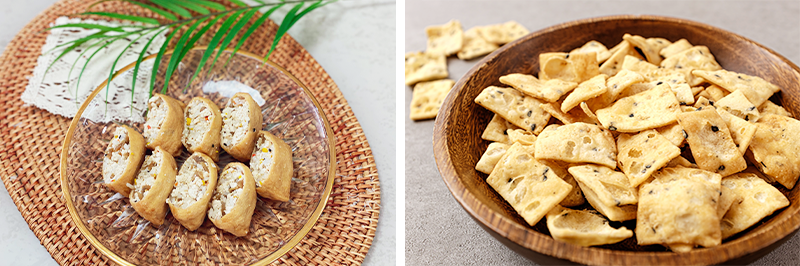
You can easily find a recipe for Yubu-chobap where yubu is filled with mashed dubu instead of rice, as well as menus such as dubu steak and dubu gangjeong. Also popular is a pasta dish made with dubu noodles instead of flour. Dubu is so versatile that recipes will continue to diversify as it increasingly replaces meat and flour.
Dubu's nutrition documented in Korean history
It is unclear exactly when dubu was first introduced to Korea, but it is highly likely to have arrived during the late Koryo Dynasty from China’s Yuan Dynasty. Dubu-making methods and recipes, however, are believed to have advanced during Joseon given that such documents as <Veritable Records of King Sejong> and <Sallim Gyeongje> (or the Economy of Forest) state that Korea's dubu-making technique was excellent and was transferred to China and Japan.
As you might recall from a scene in the Korean movie, 'Sympathy for Lady Vengeance,' when someone is released from prison, it is a common practice to give him/her dubu. It signifies, 'become a good person like pure white dubu and never go back to prison'.

The most convincing theory behind this practice is that it started during the Japanese colonial era, as families and friends gave dubu to imprisoned independence activists because dubu is easy to consume and digest, inexpensive and nutritious. According to experts, combined with what the color white implies, dubu became the very first food released prisoners ate. Can you think of better food? Our ancestors made a wise choice.
The curious world of versatile dubu
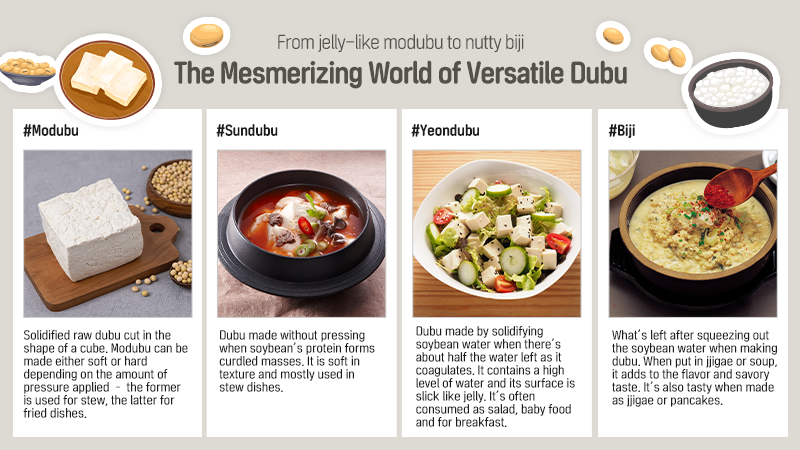
Dubu is made with soybean, water and salty water (coagulant). The journey to make it, however, is not as simple as the ingredients. First, soak the beans for about a day and then grind them in a stone mill. Add about 10 times more water than the beans and boil in a pot. Add salty water and drain the water to coagulate. Repeat this process. Depending on heating time, types of coagulant and pressure, you can make different types of dubu: modubu (square dubu), cloud-like sundubu and yeondubu, and biji.

As it's easily mashed, dubu is often used to describe a fragile mentality. Technically, this analogy doesn't work because mashed dubu in reality is still highly nutritious and versatile. Dubu is not fragile and its potential is almost infinite.
Dubu looks simple but it can be transformed into so many different dishes. What new shape or form will it take in the future?
Try a dubu dish for dinner today and enjoy the fun and health it brings to your table.
References Encyclopedia of Korean Folklore and Traditional Culture, Encyclopedia of Korean Culture, Naver Encyclopedia of Knowledge, Weekly Kyunghyang Shinmun