

한식에 대한 다채로운 이야기를 전하는 온라인 매거진
Vol 62. YANGNYEOM
Our Proverbs that are Sweeter than Honey
HANSIK at the Sayings
The word “sweet” is used to describe the taste of the food, but it is also used to express pleasant things, like “I slept soundly,” and it is also used to express things that one must do, like “take the punishment willingly.” Sweet is generally used not only in food, but also in daily life. How was sweet flavor produced in the past? Let’s find out through our proverbs.
Article Cha Yeji (The Editorial Team)
Like yeot that sticks everywhere
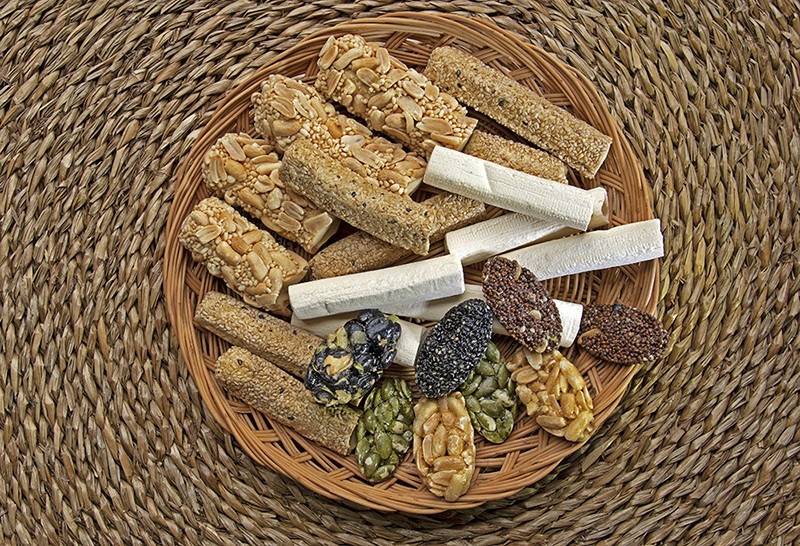
When did the custom of presenting yeot (taffy) or chapssaltteok (sweet rice cake with red bean paste filling) to students who are about to take the national exam begin? History shows that the custom started from the Joseon Dynasty. According to the <Veritable Records of the Joseon Dynasty>, it states “the merchants who come into the civil service exam grounds and sell yeot must be prohibited from doing so.” It is said that there was a custom of sending yeot to scholars who were going to take the civil service exam at the time. Now, this became the custom of sticking yeot on the gate or wall of the exam center to pray for good scores on the exam or presenting yeot to the exam takers to cheer for their success in the exam.
The proverb, “Did you put taffy by the fireside?” means that a person looks impatient, like someone who came home without solving an urgent task. As taffy has high viscosity, it would melt immediately if it is near a fireside due to the heat. There are other proverbs with a similar meaning, such as “Did you bury yeot under the blanket” or “Did you place yeot on the pot lid,” that describe taffy being attached to a hot object.
Yeot, which has been a sweet delicacy since the ancient times, was considered precious at a time when there were not many other snacks. The proverb “Sweetness is like the fingers of the taffy house’s grandmother” means that one thinks that the taffy house grandmother’s fingers are sweet just because the taffy is sweet. It means that if you are passionate about something, you only see the good things and not the bad things. You simply cannot think about anything else once you are enraptured by the sweetness of taffy.
“Eating yeot while wearing jangot” is a metaphorical term used to refer to a case of pretending to be gentle and well-behaved on the outside, but acting badly when others are not looking. Jangot refers to a long hood used by common women to keep distance from others when they are outside during the Joseon Dynasty. This proverb points out people's selfish interest and desire by covering themselves with clothes and secretly eating taffy.
Kkul over yeot, nonetheless
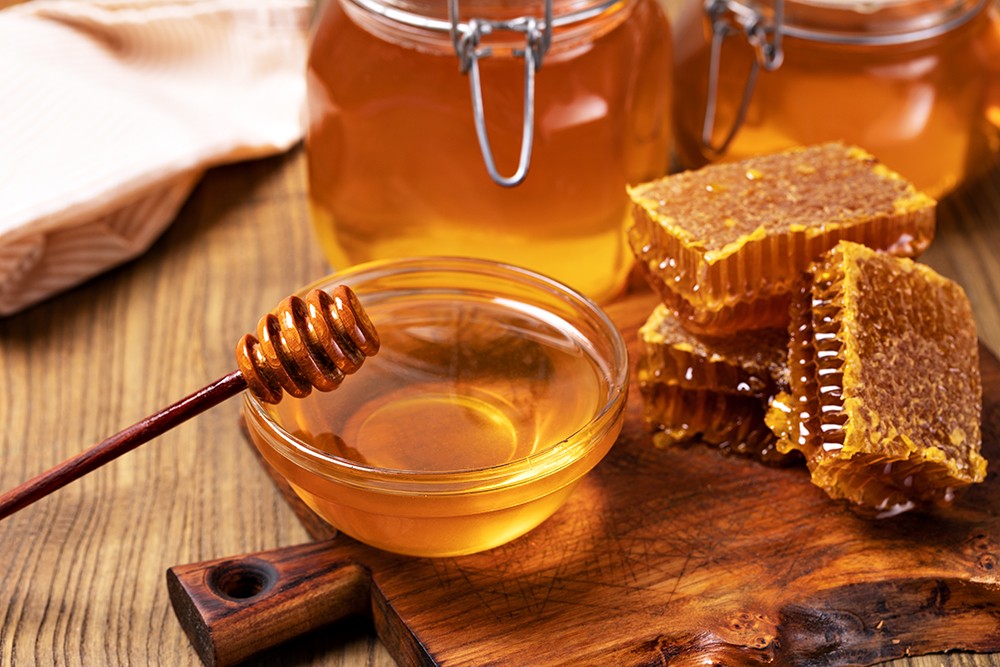
However, there are also things that have been compared to something better than taffy. It is kkul (honey). If taffy was made by using grain, honey came from nature so it is inevitably influenced by various environments. It was an ingredient that was rare, so it was that much difficult to obtain. “A child of a taffy merchant does not know how sweet honey is” means that if you see or experience valuable things all the time, even if you encounter something better, you will not be able to appreciate it. A child who eats taffy every day gets accustomed to its taste, and does not know how honey tastes better than taffy even if he eats it. You can guess that honey was more valuable than taffy at the time from this proverb. “A bite of taffy now is sweeter than a bowl of honey later” means that though there is hope coming soon, you think only the small benefits that you can get now is the best and take it.
Kkul has always been highly regarded in our proverbs. Even now, its origins remain, so when it means something good, kkul is added in front of the word, and used as “kkultip (great tip)” and “kkulmat (excellent flavor).” Also, when something is easy and simple, and comes with great benefits, it is sometimes expressed in one word, “kkul.” So how much it would bother you if you leave honey at home? The proverbs, such as “did you leave a honey jar at home” and “did you bury a honey jar at home,” are tongue-in-cheek expressions that tease people who are ready to go home as if they hid something valuable at home. “Licking the surface of the honey jar” means you are only licking the outside of the honey jar when the honey is inside. This implies that you are only touching the outside without knowing what is inside.
As honey was a valuable item presented to the king, there is a proverb, “Tying up something like honey being presented to the king,” meaning tying something up very preciously. There must have been sweet and precious honey inside a honey jar that was meticulously wrapped with sincerity.
Jocheong, perfect for your palate
Jocheong (grain syrup), which means “yeot that is not hardened as normal yeot during its production process,” was one of the important seasonings for sweetness in Korean food. The starch in the grain is cooked when steamed or boiled, and when the syrup made by extracting it is boiled over a fire, it becomes the grain syrup.
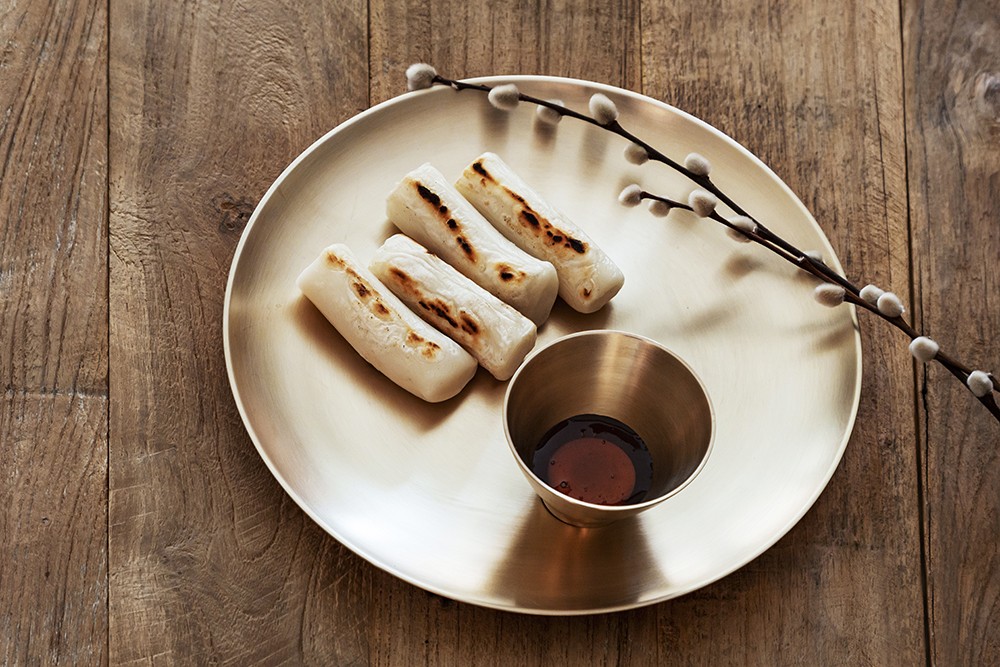
It is usually made by using grains, such as rice, sorghum, and corn, but it can also be made with sweet potatoes. Nowadays, aromatic ingredients, such as bellflower root and ginger, are added to make grain syrup that is good for health and tastes good. You can decide how to use it for which food by adjusting the concentration according to the simmering degree, and since you can make it by using almost all grains, wouldn't it have been a bespoke seasoning that you can make according to your palate and circumstances? Perhaps that is why proverbs related to jocheong often refer metaphorically to the time when you meet something you like. The proverb “the taste of injeolmi (rice cake coated in bean powder) dipped in jocheong” means that you dip injeolmi that is not sweet as it is in jocheong but as much as you want to eat it sweetly. It is a proverb that is used when encountering something that you like.