

한식에 대한 다채로운 이야기를 전하는 온라인 매거진
Vol 56. Hansik Ripens Under the Rays of the Sun
Sunlight, the Force that Ripens Grain and Makes Fruit Sweeter
Sunlight and HANSIK
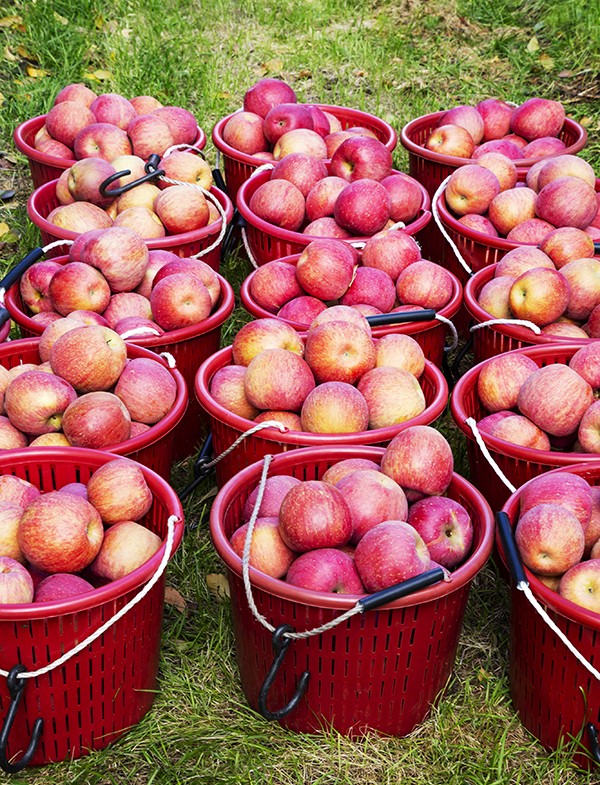
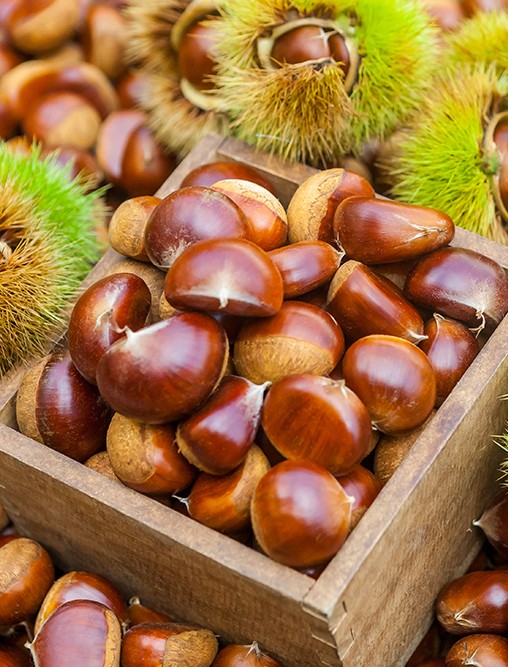
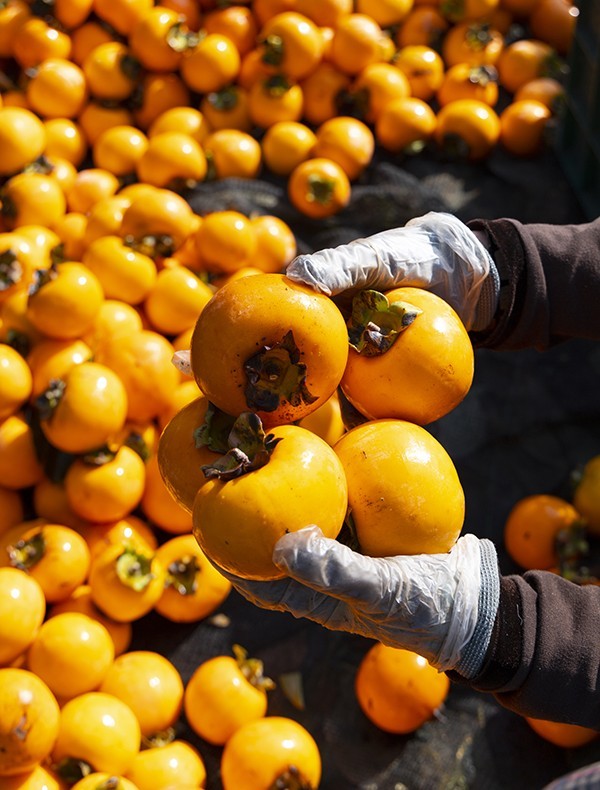
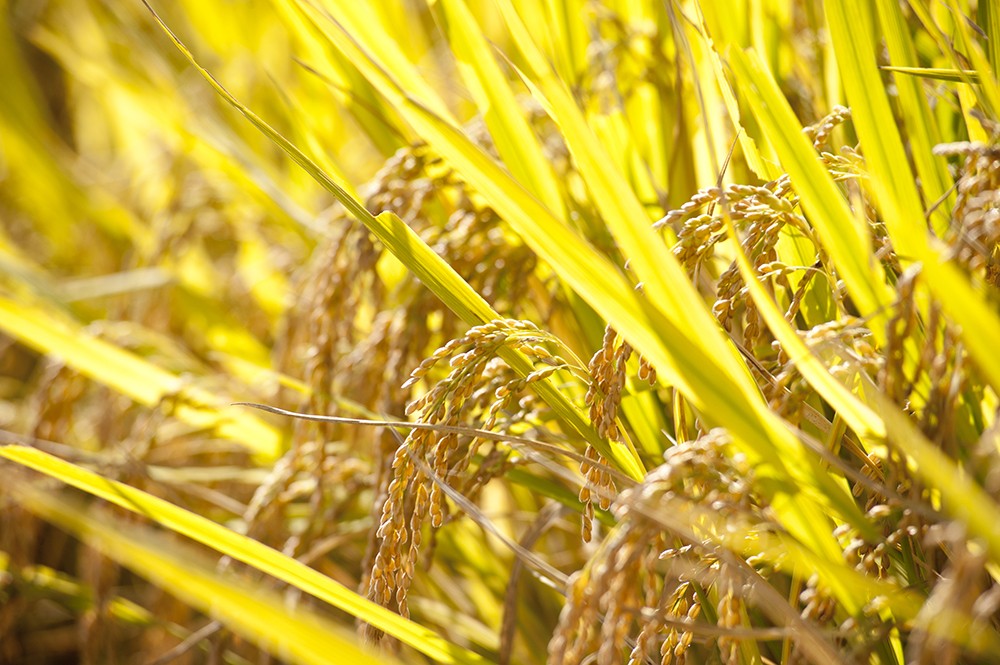
Autumn is the season of the harvest. In Korea, it is the time when agricultural produce is most plentiful and people, satisfied at the sight of storehouses being filled to the brim, are most at ease. Rice, the staple grain, other grains such as millet, sorghum, soybeans, and red beans, and fruit such as apples, pears, chestnuts, pomegranates, and jujubes embellish the table—as the Korean expression goes, a ripe, sun-lit feast of “five grains and a hundred fruits.” Therefore, it is no exaggeration to say that the harvest depends on how much sun shines in autumn. Sunlight is a force that ripens grain and makes fruit sweeter for the benefit of all.
Article Seo Dongchul (Editorial Team) Sources Encyclopedia of Korean Folk Culture, Encyclopedia of Korean Culture, Naver Encyclopedia (Scent of Science (column by KISTI))
Autumn harvest, the most important time for farming
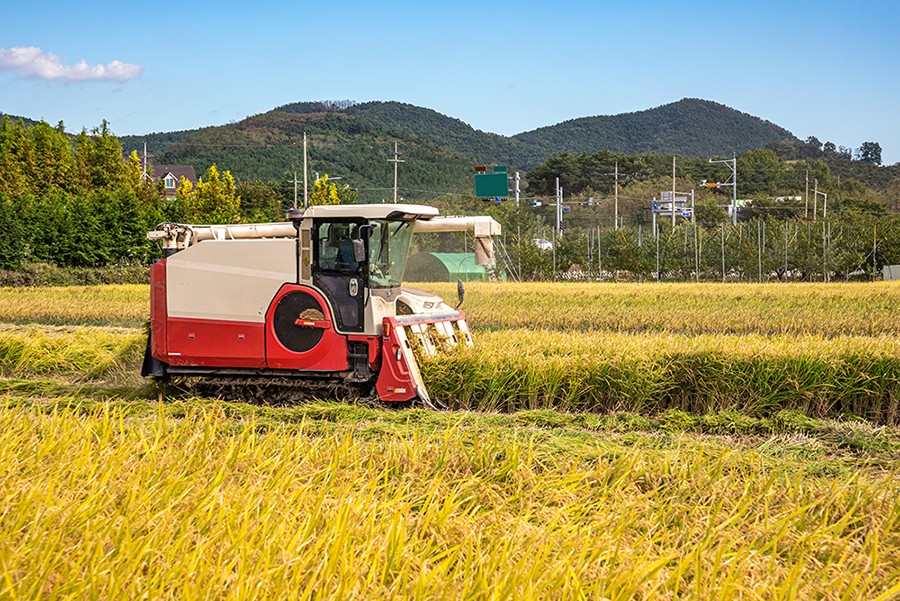
In Korea, there is one harvest season—autumn—in which ripened grains such as rice, millet, sorghum, soybeans, and red beans are picked (also referred to as “the fall picking” in Korean). All of the steps of rice farming (planting seedlings, weeding, and harvesting) are important. Of these, the harvest is a crucial indicator of how well farming was done that year. Because rice is the staple crop, discussions about harvesting tend to focus on it and other grains. This, however, does not make the harvest of apples, pears, chestnuts, pomegranates, jujubes, and citron (all of which reach peak sucrose levels in fall) any less important.
“Harvesting” is a comprehensive term that includes several processes: namely, picking grain or fruit only (without stems) or with stems, drying what is picked, and threshing (separating chaff from grain). Most grains and fruit, excluding barley and wheat, are harvested in autumn. In the relatively short window of time from the Autumn Equinox until temperatures drop significantly, everything harvest-related needs to be completed. Therefore, autumn is synonymous with a high concentration of labor. Today, machines alleviate the burden of labor to a certain extent. Before modern technology, however, Koreans often took turns helping a household with the autumn harvest.
Sanggang (霜降) is the last (lunar calendar) division of autumn and, by definition, is a time in which “everything has been harvested and snow begins to fall.” In rural areas, it is the end of the busiest time of year, which began on the Autumn Equinox. Song of the Farm, a gasa (long, freestyle poem) composed by Jeong Hakyu (son of Jeong Yakyong, a prominent scholar of late Joseon), has a verse that identifies all of the grains that have to be harvested before autumn is over: “Beat with a stick, whenever you have time after threshing the barley, the millet in the fields, and the red beans and soybeans near home.” The saying “in autumn, even the poker comes to life” stresses how busy fall in Korea is by noting that even things that have virtually no use (poker) go out to work. The saying “in autumn, even the mistress of the house goes to the field with clogs in hand” makes the same point, suggesting that fall is such a busy time of year in the countryside that even members of the upper classes had to help with the harvest. It is no coincidence that the season gave birth to the saying “in autumn, even corpses stir.”
Effect of the autumn sun on farming
The success of a harvest depends on the harmony of two types of factors: climate (weather) and nutritional. The latter is relatively easy to provide, usually through fertilizer. For climate factors, such as sunlight, rain, and temperature, however, pre-modern Koreans were completely dependent on the laws of nature. Sunlight, in particular, is important in enabling plants to grow: animals can survive by moving from place to place in search of nutrients, but plants, which cannot move, must be able to synthesize organic matter independently—in other words, photosynthesize. Photosynthesis is a process of carbon dioxide assimilation that uses solar energy to 1) synthesize organic matter and 2) emit oxygen with carbon dioxide and water. It is through photosynthesis that plants produce sucrose or starch, which is used to store energy—a crucial process needed by grains and fruit to ripen.
The autumn sunlight helps push photosynthesis along to completion. Even if temperatures drop in the morning and at night, the sun is still relatively strong in the middle of the day—which is very helpful for photosynthesis. Sunlight is made even more effective by cool breezes. The saying “send your daughter-in-law to the winds of spring and your daughter to the winds of fall” attests not only to fathers’ favoring of the latter over the former but also the mildness of the autumn winds compared to their spring and summer counterparts (a fact that has been scientifically proven). The levels of UV-A, the ultraviolet ray that infiltrates the skin the deepest, are 1.5 times higher in autumn sunlight than that of spring.
Sunlight determines the sweetness of fruit
Fruit is especially sensitive to sunlight: indeed, the sweetness of a piece of fruit is largely determined by the amount of sunlight it was exposed to. Conventional belief dictates that heavy rainfall causes the fruit absorb too much moisture, making it less sweet. The real reason for the lack of sweetness, however, is the reduced exposure to the sun when it rains. Less sun means less photosynthesis occurring in leaves, which lowers the amount of carbohydrates produced, thus resulting in lower sugar content. Indeed, repeated heavy rainfall at night and clear days makes fruit sweeter.
The optimum amount of sunlight varies by type of fruit. Peaches are much sweeter if they get enough sunlight three to five days before being harvested, while apples, pears, and grapes need sufficient sunlight for two weeks before being picked. Farms also use the principles of photosynthesis to improve the quality of their produce. For pears, branches are pruned regularly to allow sunlight to reach all areas of the tree. For apples, light-reflecting film is laid out at the base of the tree to reflect even more sunlight up toward the leaves.
As this shows, most of the grains and fruits we enjoy on a daily basis require lots of sunlight. Each time we enjoy a spoonful of savory rice or a bite of a juicy piece of fruit, we should be thankful for not only the labor of the farmer, but the work of the sun as well.