


한식에 대한 다채로운 이야기를 전하는 온라인 매거진
Vol 55. Flavors of HANSIK Enriched by the Wind
Removing moisture, adding flavor and nutritional value: The art of drying food
The Wisdom of HANSIK
In a time before modern methods of food storage, Koreans stored seasonal food using a wide range of methods. The oldest and easiest method is, by far, drying. One would be hard-pressed to find an ethnic group that eats more dried food—fruit, vegetables, meat, and fish—than Koreans. Let’s take a look at some of the stories and nutritional value of foods that have been dried for centuries by air or the wind.
Article Lee Hyunju (Editorial Team) Sources Microorganism Stories with Dr. Lee Taeho (Busan Ilbo), Healthier if Dried?: The Science of Dried Foods (YTN Science), Encyclopedia of Korean Culture
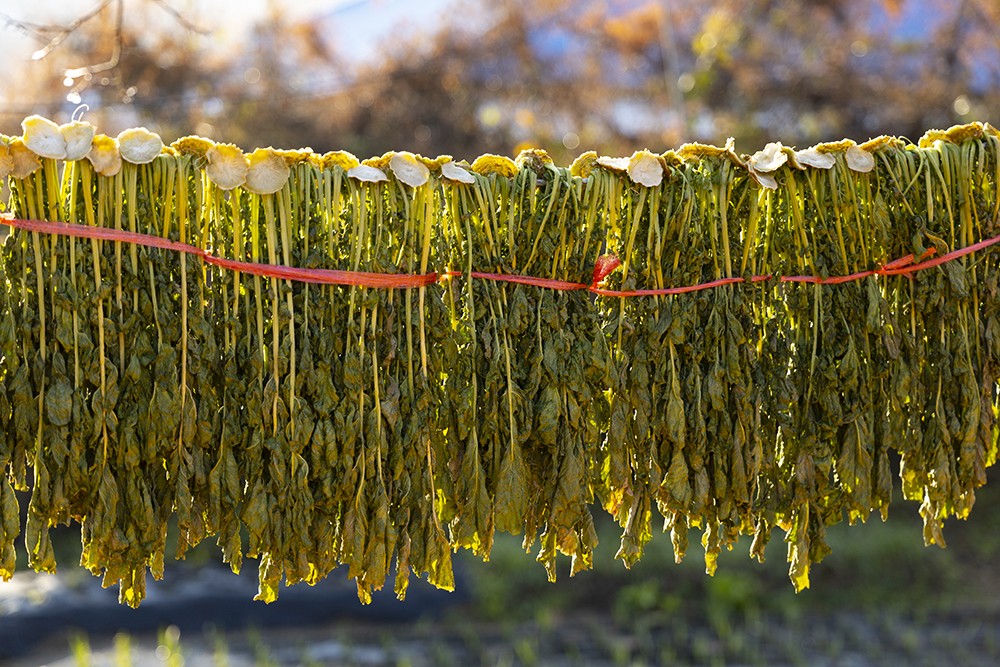
Preserving flavor for as long as possible
It is common knowledge that food is best eaten fresh. If not stored properly or if left alone for too long, food, of any kind, ends up spoiling. Food “spoiling,” by definition, refers to the reaction between oxygen and oil or the creation of toxic substances due to the breakdown of food by microorganisms. When storing food, there are several factors to consider, including temperature changes, sunlight, exposure to oxygen, and spawning of pests/microorganisms. Food storage is done in one of two ways: physically or chemically. Drying (desiccating) and heating are physical methods, while chemical methods include processes such as adding preservatives, pickling, and fermenting. “Double drying” was widely employed in the days before refrigerators and freezers due to the lack of advanced technologies required for it.
Once food is dried, it is easy to store, carry around, and ship. Drying also preserves the color and flavors while preventing rotting by preventing the breeding of microorganisms. The vast majority of flora and fauna need water to survive: in other words, they die if deprived of moisture. Microorganisms, on the other hand, do not die even when dried: instead, they become dormant and, once conditions become more favorable, reactivate. Food drying does not kill microorganisms: it removes the moisture in the food to prevent microorganisms from activating.
There are many ways to dry food, the most common being natural (air) drying. Drying can also be done via hot air, spraying, or radiation. Naturally-dried food is, as the term suggests, dried solely through the forces of nature: namely, wind or sunlight. Although this does not require sophisticated technologies, it has the downside of taking a long time and being vulnerable to pests, environmental factors, and the weather. Hot air drying involves blowing artificially-heated air on the food, while spray drying is a technique used for liquid foods.
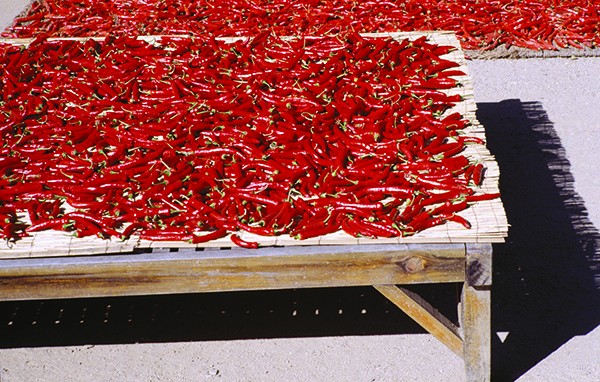
Surprisingly diverse and elaborate methods of drying
Korea has a long history of drying food. As would be expected of a peninsula, the most common example is dried seafood. In the Joseon dynasty, over 40 types of fish caught on the coasts were dried and then transported to inland areas. As we know, fish and shellfish are made up of 70 to 80 percent water, which makes it hard to store them for a long time. To store fish or shellfish for long periods of time, all moisture needs to be removed first. This led to the invention of diverse desiccation methods, of which only a few are mentioned here because there are so many. Squid, cod, octopus, and blowfish are dried whole or after removing their inedible parts. Anchovy, abalone, sea cucumber, shrimp, mussels, oyster, top shells, and clams are dried after being boiled. Myeongtae (pollack) is dried through repeated cycles of freezing and thawing. Yellow croaker, mackerel, mackerel pike, and herring are dried by preserving them in salt. Sweetfish and shark are dried by heating with fire, while filefish and sardines are dried after being flavored with seasoning. Oyster, herring, and salmon are dried by preserving them in salt and then smoking them.
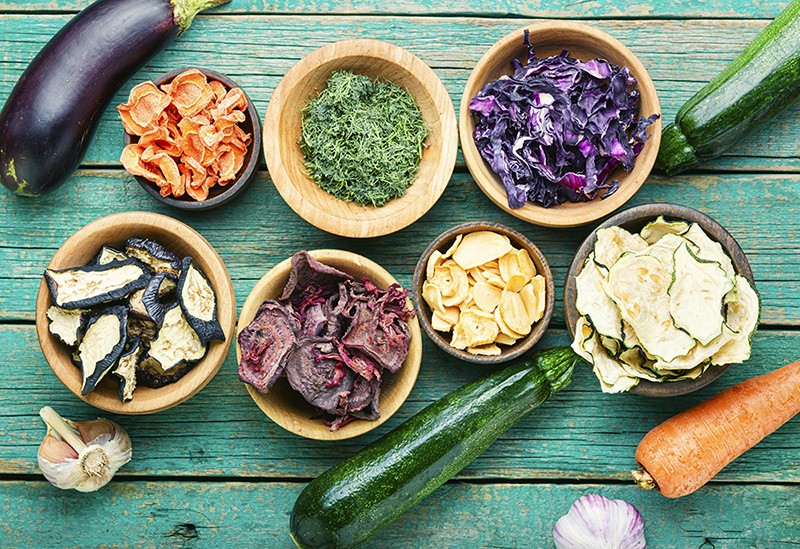
High nutritional value
Just as important to the Korean table as dried fish are dried fruits and vegetables. Without dried garden produce or mountain herbs (namul), Korean food would be much less interesting. How, then, does drying a food affect its nutritional value? It seems as if it would destroy nutrients, but experts agree that this is not at all true.
On the contrary, removing moisture from ingredients makes their nutrient content much higher. Drying fish increases their protein content: the same holds true for fruits and vegetables. Vegetables are 95 percent water, while most fruit is 90 percent water. Removing all of this moisture means that the remaining flesh is condensed anywhere from five to 20-fold and thus becomes much richer in nutrients, particularly fiber, vitamins, and minerals. In other words, drying does not add nutrients that were not there before: it simply makes the existing nutrients more concentrated in the absence of moisture. A study conducted by the Rural Development Administration’s National Academy of Agricultural Science showed that dried fruit and vegetables retained the majority of their nutrients, including fiber, beta-carotene, Vitamin K, and calcium.
Today, the rising popularity of dried food is resulting in more households purchasing equipment to dry not only fruit or vegetables but even fish. One tip for drying fish is to completely remove the intestines, which spoil quickly, and dry only the lean flesh. Another thing to keep in mind is that, because dried fruit is richer in flavor and nutrients, one must take care to not eat too much of it (as the smaller size belies the unchanged fructose content).
As such, dried food, regardless of category, has many advantages: it is easy to eat, delicious, and nutritious. This autumn, how about trying your hand at drying apples or sweet potatoes, which dry easily in the wind?