


한식에 대한 다채로운 이야기를 전하는 온라인 매거진
Vol 53. Korean Food from the Oceans and Rivers
Three Gifts of the Water that Revive Appetites Deadened by the Summer Heat
The Tasteful Table
The ever-rising July temperatures are prompting Koreans to seek boyangsik (restorative food). If your energy levels are at an all-time low or you find yourself not wanting to eat, try a dish made with seasonal, nutritious seafood. This article introduces three delicious summertime fish: mineo (croaker), which can be eaten raw, grilled, or in soup; chueo (loach), the most well-known seafood boyangsik; and nongeo (bass), which is often said to “make one healthier simply by looking at it.”
Article Cha Yeji (Editorial Team) Source Encyclopedia of Korean Culture
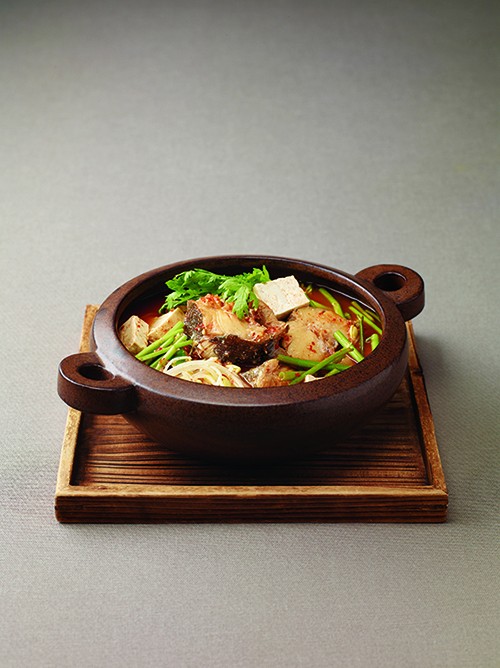
Every part is useful: Mineo (croaker)
The croaker is a relatively large fish that can grow to over one meter in length. Of the approximately 270 species in the Sciaenidae family, the croaker is the most famous. In high demand since antiquity for its large body as well as the ease with which large quantities of it can be caught, the croaker inhabits Korea’s western and southern seas. The best time of year to catch it is between June and October.
Because of its utility (e.g. as sashimi, in stew, braised, as sliced jerky) and the fact that even its air bladder can be cooked alongside its flesh and bones, the croaker has long been regarded as “a fish for which there is nothing to throw away.” The air bladder is especially famous for its chewiness and savory flavor, making it frequently served as a high-end delicacy. It is also a well-known natural glue: ancient Koreans supposedly used it for making furniture and other household items, as the gelatin it contains provides a high level of stickiness.
Regarding its popularity as a restorative food that helps people beat the summer heat, there is a saying that “during the great heat, braised mineo is number one and braised snapper is number two.” Just like the saying “fight fire with fire,” a bowl of hot mineo soup can work wonders in restoring appetites lost to the summer heat. Mineo jeon (battered fish fillets), believed since antiquity to be the best of fish-based jeon, was sometimes cooked for ancestral rituals. Also, mineo jerky was considered such a premium food that it was served to not only the Korean king but to foreign emperors as well.
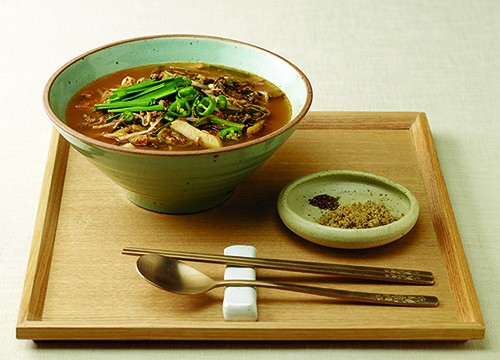
The ultimate restorative ingredient: Chueo (loach)
Chueo is the main ingredient of chueotang (loach soup), which is the first food that Koreans think of in relation to boyangsik. Chueo is a freshwater fish that is a member of the Cobitidae family and usually lives in the soil of streams or rice paddies. It is characterized by its long body and swims very quickly, which is the quality that most likely made people think of chueo as beneficial, believing that the fish’s energy is transferred to humans by eating it.
Bencao Gangmu (Compendium of Materia Medica) describes chueo as follows: “It has no scales, making it slippery and difficult to catch. It is delicious when cooked in a soup after removing the spine. It is, by nature, very strong and, therefore, extremely active. [omit] It warms the stomach, which is, in turn, beneficial for one’s chi. It reverses the effects of excessive alcohol consumption and alleviates urinary frequency [specifically that caused by drinking large amounts of water because of dry mouth (caused by diabetes, etc.)]. It is also effective against hemorrhoids.”
Chueotang is the most common way of cooking chueo. While it is usually prepared as is done in Korea’s southernmost provinces (Jeolla, Gyeongsang; fish is boiled to make broth, after which the flesh is ground, seasoned, and put back into the broth), in the central provinces, the fish is sometimes boiled whole. The high levels of protein, calcium, and minerals is what makes chueotang the perfect option for reviving summer-deadened appetites. Fried chueo, which is always done with batter, is palatable even for those who are repelled by chueotang due to its crunchiness and savory taste.
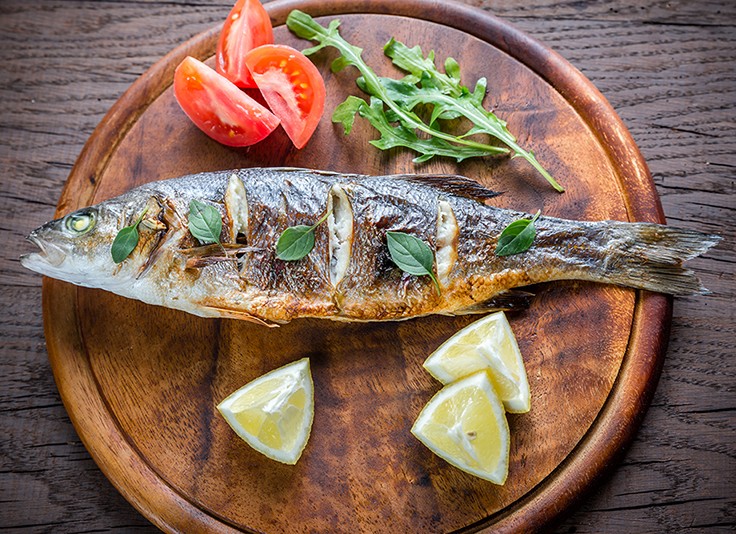
Simply seeing it is enough: Nongeo (bass)
As can be seen from the saying “a bass in July can heal simply by being looked at,” nongeo is a favorite restorative seafood in Korea. Caught in the summer months in the oceans surrounding Korea, China, and Japan, it is rich in protein and calcium. Nongeo also has many essential amino acids that help improve memory and prevent dementia, which makes it beneficial for students and seniors.
Nongeo, which grows to approximately one meter in length, tastes better when fully grown than when small. It also lays large eggs that are a delicacy when boiled in soup. Most Koreans enjoy nongeo as sashimi, which is complemented by raw ginger. Because of its plentiful and chewy flesh, nongeo is also delicious when grilled whole. Dried nongeo is used as a base ingredient, most commonly for nongeo jjim (steamed nongeo). A white-fleshed fish, nongeo that is de-boned and fried tastes savory with only a minimum of fishy odor.