


한식에 대한 다채로운 이야기를 전하는 온라인 매거진
Vol 52. Soil, the Foundation of HANSIK
Soil, the Mother of Korean food
Soil and HANSIK
To the Korean people, soil is life itself. Farming began in the Neolithic Age, and its outcomes were served in dishes made from baked clay. The preface of the farming manual (Nongsajikseol; Concise Farming) that was compiled by the decree of King Sejong in early Joseon states that farmers are the basis of all human life. Indeed, the rest of the book stresses that agriculture is the foundation that upholds the nation and its people, with its produce—the outcome of the combined effort of the soil, air, and humans—enriching the flavors and nutritional value of Korean cuisine as we know it.
Article Seo Dongchul (Editorial Team) Sources National Institute of Korean History, Encyclopedia of Korean Culture, and Encyclopedia of Korean Folk Culture
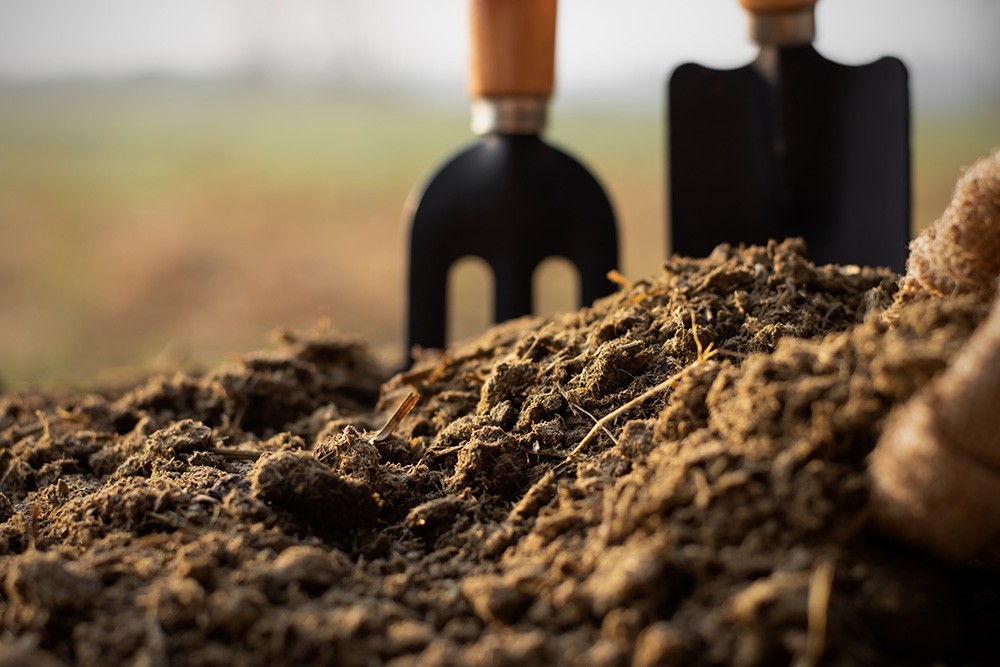
The beginning of culture: History of agriculture
Agriculture is the backbone of Korean society. In turn, agriculture cannot exist without soil. Unlike hunting and gathering, farming required the simultaneous reliance on and control of nature, ultimately resulting in the creation of culture and social systems due to the need for large numbers of people to work together. As corroborated by many studies, in the Neolithic Age, the primary means of procuring food on the Korean Peninsula were hunting, gathering, and fishing. It is only toward the end of this age that people began wheat farming, with a focus on foxtail, hog, and barnyard millet, among others. The transition to farming as the primary means of food procurement occurred in the Bronze Age, which is when rice farming is believed to have spread nationwide. The proliferation of rice farming resulted in a sharp increase in wheat production as well as population, which in turn led to a need for much more complex political and social systems.
Farming literally defines time for farmers: in Korea, a farmer’s year was made up of periods of work and rest that were interspersed with rituals to the spirits. The lunar year was divided into 24 15-day sections (according to solar longitude), and it was according to these divisions that farmers knew when to plant, weed, fertilize, and harvest each type of crop. On Jeongwol Daeboreum (15th day of the first month of the lunar calendar), people prayed for a good harvest, and rice seedlings were planted before Haji (summer solstice). Chuseok was a day for expressing gratitude to the gods for the plentiful harvest.
Soil was the backbone of daily life and, therefore, worshipped by indigenous religions. The biggest ritual for “appeasing” the soil was jisinbalpgi, a ceremony held at the start of the first lunar month to appease the soil gods, repel evil spirits, and pray for the prosperity of the village and one’s family. A farmer’s music band, called pungmulpae, would lead a procession of villagers: the procession first stopped at the village’s shrine to the local gods, called seonangdang, to conduct a ritual for the soil gods, after which stops were made at each home. At each stop, the home owner would give the procession money and food (today, it is customary for the accumulated cash to be added to the village fund). People also believed that yellow clay (hwangto) had the power to dispel especially problematic demons and, therefore, was often sprinkled on the rope that was hung at the door of a home with a newborn baby or the entrance of a home that was conducting ancestral rites. Therefore, earth/soil was viewed as an agent that brought good fortune as well as an asset in and of itself. Because of this belief, in pre-modern Korea, courtyards were swept inward (rather than from inside to outside) to prevent good fortune from being swept out the door.
Storing and cooking with clay
Clay and soil give rise to much more than crops. In Korea, clay has been used since antiquity to make dishes and containers and build homes. Earthenware vessels are a universal everyday object: regardless of location, they came into use from the time that people began settling down in one place and farming the land. Almost all containers used to store and transport crops and to cook were made from clay. The invention of earthenware vessels was also significant because it gave people the option of boiling or steaming food instead of simply eating it raw or grilling it, making it possible to consume larger amounts of food with ease as well as absorb more nutrients. After the comb-pattern pottery of the Neolithic Age and design-free pottery of the Bronze Age, the advancement of handicraft technology enabled the Goryeo dynasty to move away from the earthenware of the Three Kingdoms and Unified Silla periods and enter the age of ceramics: cheongja (Goryeo celadon), which was the quintessence of elaborate upper-class arts. The baekja (white porcelain) of the Joseon dynasty was much more modest in comparison (due to its embodiment of the austere ideals of Neo-Confucianism) but nevertheless gave rise to a booming ceramics industry. According to The Annals of King Sejong, there were 136 ceramic kilns and 185 pottery kilns nationwide.
Korean ingredients resemble the soil
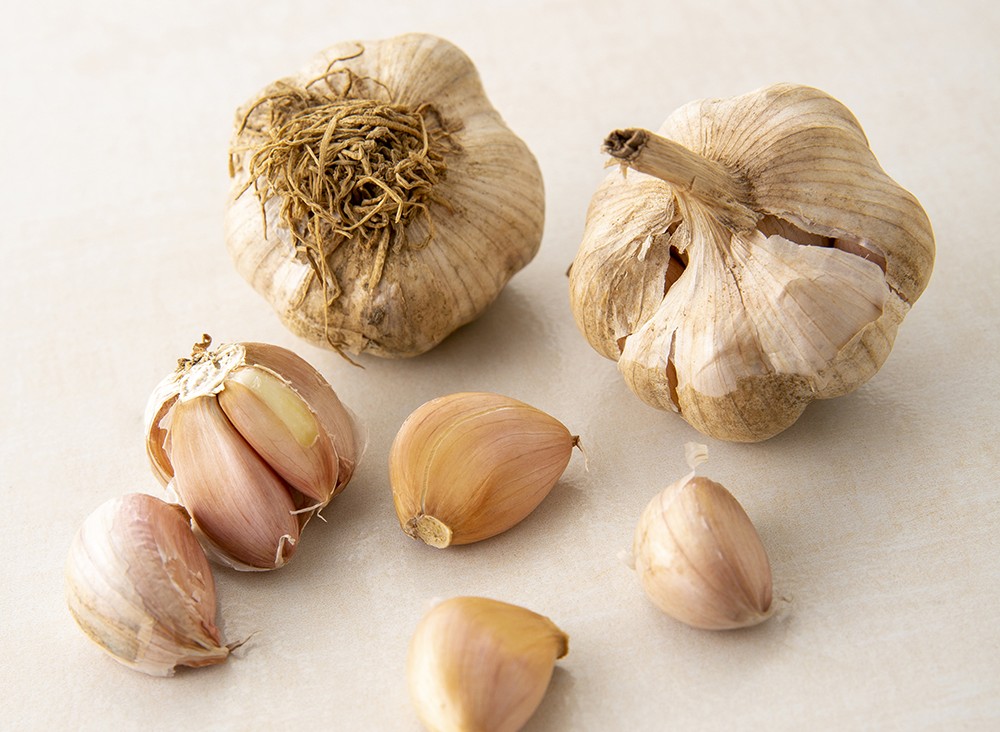
The vast majority of the agricultural produce that is used as ingredients for our favorite Korean foods is grown in soil. Of these, some vegetables—potatoes, sweet potatoes, onions, garlic, radishes, ginger, carrots, and deodeok (variety of bonnet bellflower, better known as “mountain ginseng”)—are especially close to the soil: in other words, there are vegetables that store nutrients in underground roots or stems that are rich in water or starch. Radishes, carrots, and burdock are characterized by one long root that grows into the ground, soaking up nutrients from the soil as it grows. Others, like sweet potatoes and ma (yams), are tubers that grow in clumps. Potatoes, ginger, and taro rely on underground stems, while onions have cylindrical leaves and grow underground in round bulbs.
Vegetables that grow underground are mostly used for seasonings. Onions, which reduce oiliness and are naturally sweet, are a base vegetable for soups, stews, stir-fried dishes, and kimchi. Ginger is a side ingredient in many seasonings, including for kimchi, due to its slightly-bitter spiciness and unique fragrance. It is also often included when boiling meat because of its sterilizing effect and ability to remove the unpleasant smells of animal fat and fish. Garlic was known as the “one harm, one hundred benefits” vegetable for its many advantages and one unpleasant factor: its odor. A staple of namul (wild greens), kimchi, soups and stews, braised dishes, and steamed foods, garlic is the most widely-used seasoning vegetable for its ability to remove odors and amplify flavors.
Radish is a less-known but equally-important base for Korean food. It is a necessity for soups and stews (especially “thicker” stews that have a meat base) because of its mildly-refreshing and sweet flavor. Radish is perhaps most famous as the main vegetable of kkakdugi, a type of kimchi that is popular for its crunchiness. It can be chopped into thin slices and then stir-fried or included in braised dishes to balance the saltiness.
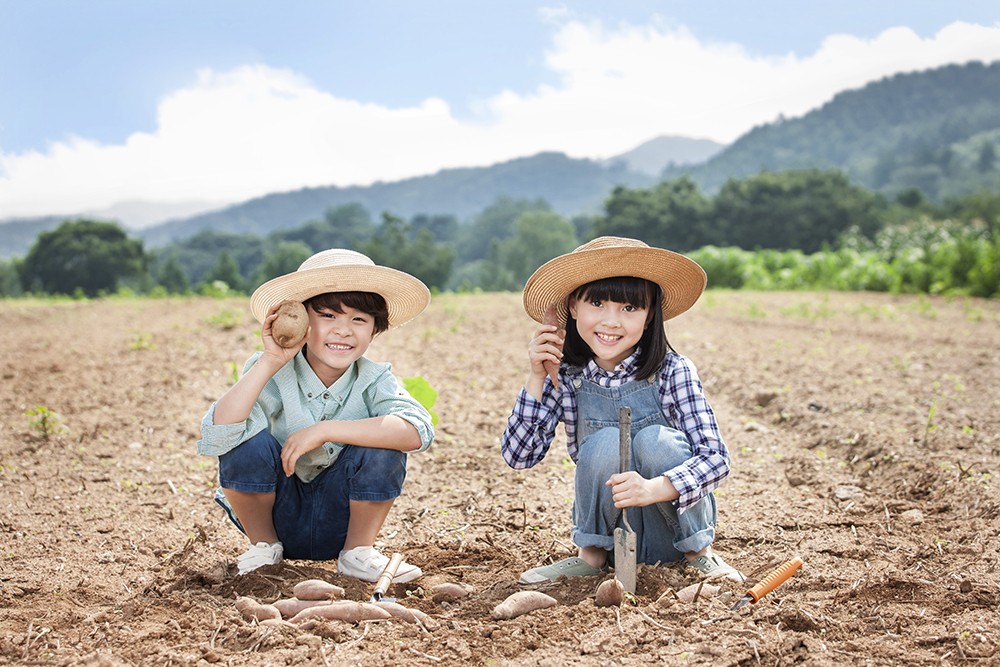
Potatoes taste best in June
The potato is not a root vegetable: it is a tuber that, in Korea, starts being harvested—and tastes sweetest—in June. Widely consumed around the world for its savory yet simple flavor, potatoes are one of the world’s top four staples (alongside rice, millet, and corn). Native to Chile and Peru, potatoes were brought to Korea in the 24th year of the reign of King Sunjo (1824). Records state that a Qing citizen brought potatoes with him to Hamgyeong-do Province (today, part of North Korea), which he was visiting to gather wild ginseng.
Potatoes, which are alkaline, are rich in minerals (e.g. iron, potassium, magnesium) and contain triple the Vitamin C of an apple. They can be cooked in multiple ways thanks to the fact that their vitamins cannot be destroyed by heat because they are protected by starch. Potatoes go especially well with salty soups and stews because their potassium helps neutralize sodium and are a popular diet food because of their low calorie content and abundance of nutrients. Most of all, potatoes enrich everyday meals: they can be used for simple side dishes (stir-fried slices, braised, etc.) as well as delicacies like gamjatang (pork backbone stew), gamjajeon (potato pancake), and gamjaongsimi (potato ball soup).