

한식에 대한 다채로운 이야기를 전하는 온라인 매거진
Vol 49. Namul, Food for People, Food That Spares
Drinking Fragrant Spring Spring Flower Tea for Good Health
Discovery of Korean Food
Flowers are not just beautiful to look at.
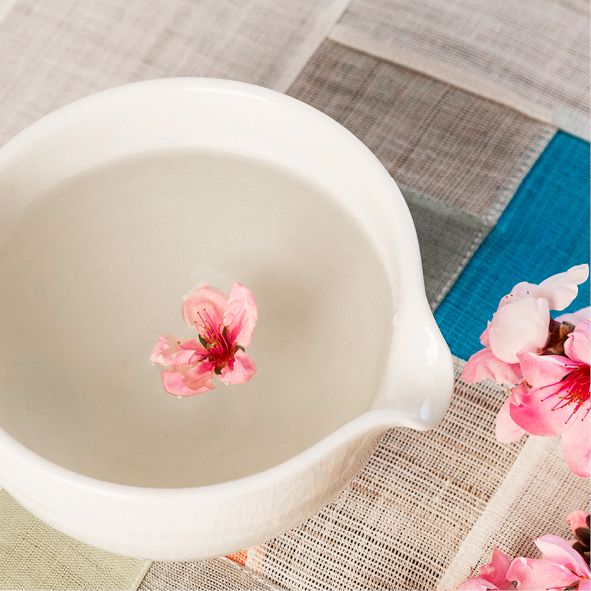
When you pick flowers, wash them, dry them or roast them, brew them in water, and drink them. It helps you relieve fatigue and stabilize your mind and body. Let's wake up the energy that was asleep during the winter by filling your mouth full with the scent of spring flowers from handmade Korean flower tea.

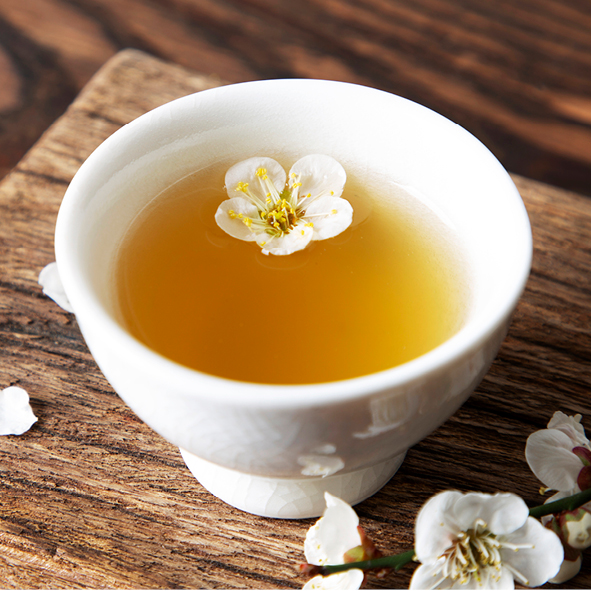
Plum blossom from plum tree was also called “seoljungmae” because it blooms even in the cold. Plum blossom has various efficacies along with its fruits, so it has been widely used as a tea ingredient since the ancient times. Old books record that drinking plum blossoms in a decoction is effective against smallpox, and is also effective for other symptoms, such as when something is stuck in the throat. It was also used to relieve thirst and hangover, as well as to relieve symptoms like nausea and vomiting caused by morning sickness in the early stages of pregnancy.
The refreshing taste and fragrant scent of plum blossom tea relaxes the drinker’s mind and body, but, in fact, plum blossoms are effective for treating the symptoms of nervousness and tightness in the chest. Moreover, it has been a favorite tea of scholars and monks for psychological stability since the ancient times because drinking it clears the head. These effects are likely to be helpful for office workers, who are exposed to frequent stress, or for students preparing for their exams at the present time.
Moreover, plum blossoms purify blood, improve blood circulation, and prevent aging. It helps to keep the skin moist and clear in the spring, and to strengthen suppleness, so if you are interested in beauty, it is beneficial to keep plum blossom tea close to you. Like green plum, it is also effective in excreting toxins and waste products. To make plum blossom tea, collect the flower bud before the plum blossoms fully bloom, clean them, and dry them for use later. Put the dried flower buds in honey and brew in hot water after about 15 days or so, and then drink as a tea to savor the deep flavor and sweet and refreshing taste.

Canola flower, which is famous for announcing the advent of spring in Jeju Island and the southern regions, is widely used for kimchi, doenjangguk(soybean paste soup), seasoned namul, etc.
For namul dishes, the leaves or young flower stalks just before blooming are mainly used, and the seeds are used to extract oil, which is the canola oil that we are familiar with.
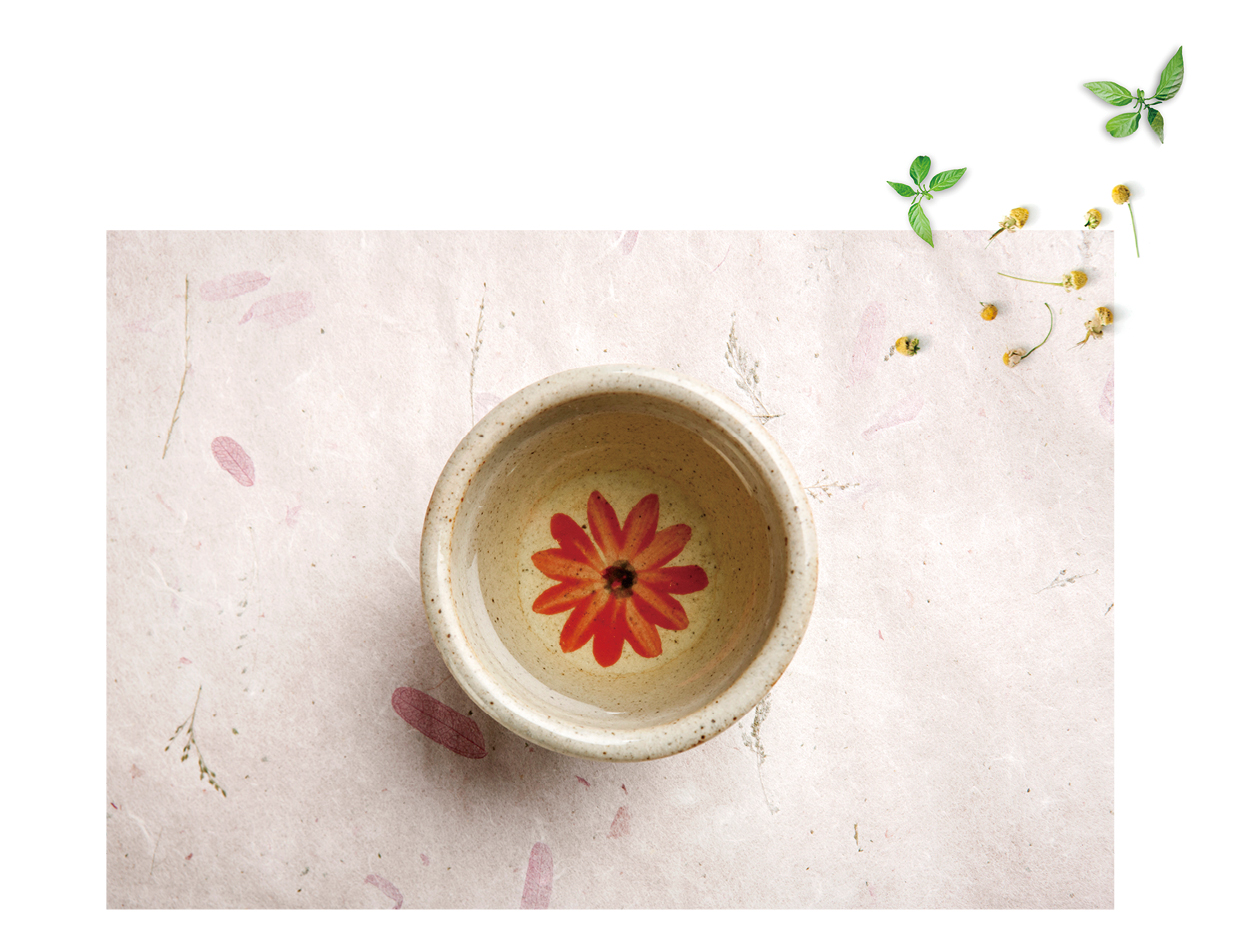
Its flowers are the main ingredient of tea with its fragrant aroma. Canola flowers have spicy and cooling components but when used as a tea, they are sweet and soft, so they fit well with this season. Canola flower is rich in vitamin A and vitamin C, which is good for relieving eye fatigue, and helps to activate the body's calming effect.
Moreover, it is effective in relieving stress and improving blood circulation. It also helps to purify blood and to control blood pressure. It stimulates appetite, and is rich in fiber, which stimulates bowel movement. It is a tea that helps to wake up lassitude in the springtime because it evens metabolism and boosts immunity.
To make canola flower tea, first collect canola flowers bloomed in a clean place, soak them in salt water for a while, then wash them in clear water, and put them on a sieve to drain. Afterward, roast the canola flowers in a dry pan over low heat and cool them, and repeat this process to dry the flowers crisp. When the flowers have completely cooled, store them in an airtight container. When drinking, add an appropriate amount of canola flowers first, pour hot water, and brew it for one minute. Canola flower tea does not change in color even in hot water, so you can fully appreciate the vitality of spring with your eyes.
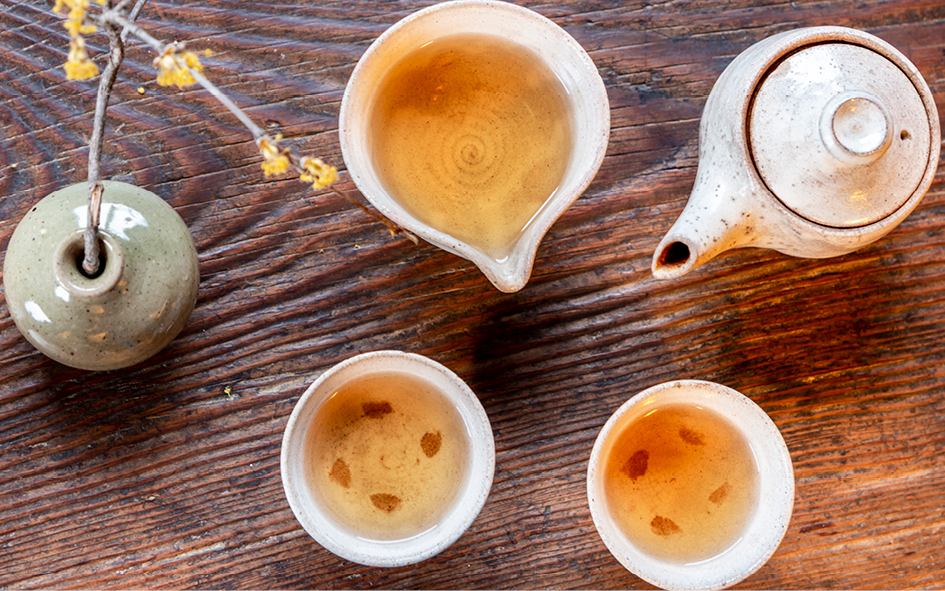

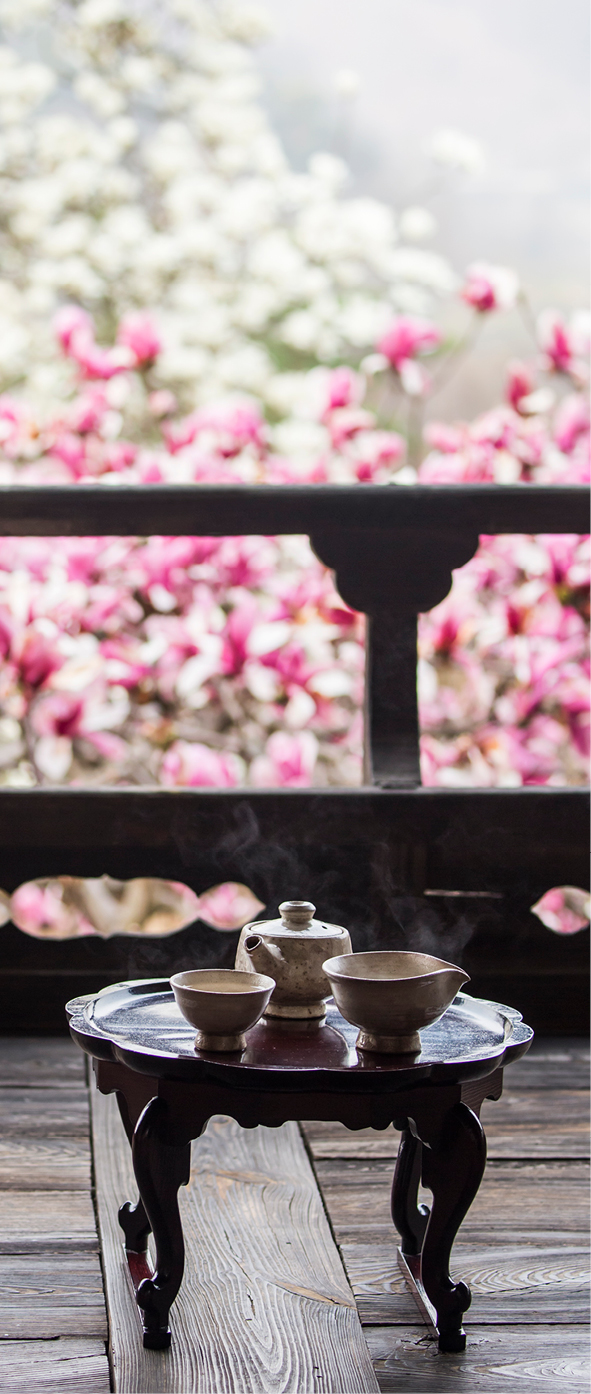
In the spring, when you see a magnolia with large petals on a tree that has not yet produced leaves, you will be mesmerized by its elegant appearance. The magnolia blossom, named “lotus on a tree,” has as much a tea scent as the lotus, and when the petals are brewed in warm water, the texture of the flower comes back to life in a teacup, allowing the drinker to watch and savor it slowly. The flower bud of the white magnolia was called “shin-yi” in Donguibogam, and it contains the characteristics of warmth and spice. In Oriental medicine, powdered “shin-yi” was brewed as a tea or wrapped in cotton, and placed in the nose to relieve nasal congestion. In fact, magnolia flower tea is good for relieving bronchial symptoms or preventing colds. Thus, at a time like these days, when seasons change, if you have a sore throat from fine dust or worried about catching a cold because your immunity is weakened, it is good to have magnolia blossom tea nearby and drink it frequently.
In the case of magnolia blossoms, the key is to make flower tea after picking the flowers and letting them wither. Let the magnolia buds wither and unfold them to form a flower shape. Later, roast and cool them repeatedly over low heat and when the moisture is almost gone, roast it over high heat and let it ripen. Also, it is said that if you clean the magnolia buds and marinate it in honey, leave it for about two weeks, then refrigerate and drink it, it would relieve congestion, benefit the lungs, and boost energy. When drinking it, you can adjust the concentration of the tea by the number of petals. Let's feel the spring energy that blooms this season with magnolia blossom tea, which offers a unique taste that cools the tip of the nose and produces a subtle flavor.

When you see the cherry blossoms scattering beautifully, you can feel the fullness of the spring season. Cherry trees have been used as folk medicine since the ancient times. In case of chronic cough or asthma, people drank strong cherry bark tea, and the inner bark of the cherry tree was known to be effective for indigestion, diarrhea, etc., caused by fish poisoning or mushroom poisoning.
Cherry blossom tea is also known as a medicinal tea in Oriental medicine. In fact, it contains abundant nutrients, including vitamins A, B, and E, and carbohydrates and calcium so drinking it frequently during the changing seasons like these days helps protect bronchial and lung health from yellow dust, which is an uninvited guest of the spring, and strengthens gastrointestinal function and improves skin condition. Moreover, it is said to be effective for diabetes, athlete's foot, eczema, and nephritis.
For cherry blossom tea, the cherry blossoms are collected with the stem attached, washed with water, and then marinated in brine in an amount equal to the weight of the flower for ripening. Later, it is put in a bottle and refrigerated, and if you add green plum vinegar, you can enjoy its sweet and sour flavor. Put two or three cherry blossoms in a teacup, pour boiling water, brew for one minute, and drink. At this time, you should discard the first water that tastes bitter, and drink it from the second brew.
Cherry blossom tea, which has a bitter taste and is cold in nature, can be made as a roasted tea, but if you clean fresh cherry blossom, marinate it in honey, age it for two weeks and drink it as a tea, you can enjoy its subtle cherry blossom scent, sweet honey taste, and its beautiful form blooming in a tea cup.