

한식에 대한 다채로운 이야기를 전하는 온라인 매거진
Vol 42. Seasonal Foods
The Taste of Seasonal Foods Found in Old Books
Recipes using seasonal ingredients create the taste of the season even in old books. Various recipes using seasonal ingredients will inspire new flavors for our current table.
Sources and references. 《Joseon Moosang Sinsik Yori Jebeop》(by Lee Yonggi, Rice Tree)
Korean Traditional Knowledge Portal(www.koreantk.com)
Encyclopedia of Korean Culture
How to Enjoy Seasonal
Food Ingredients with
Peace of Mind
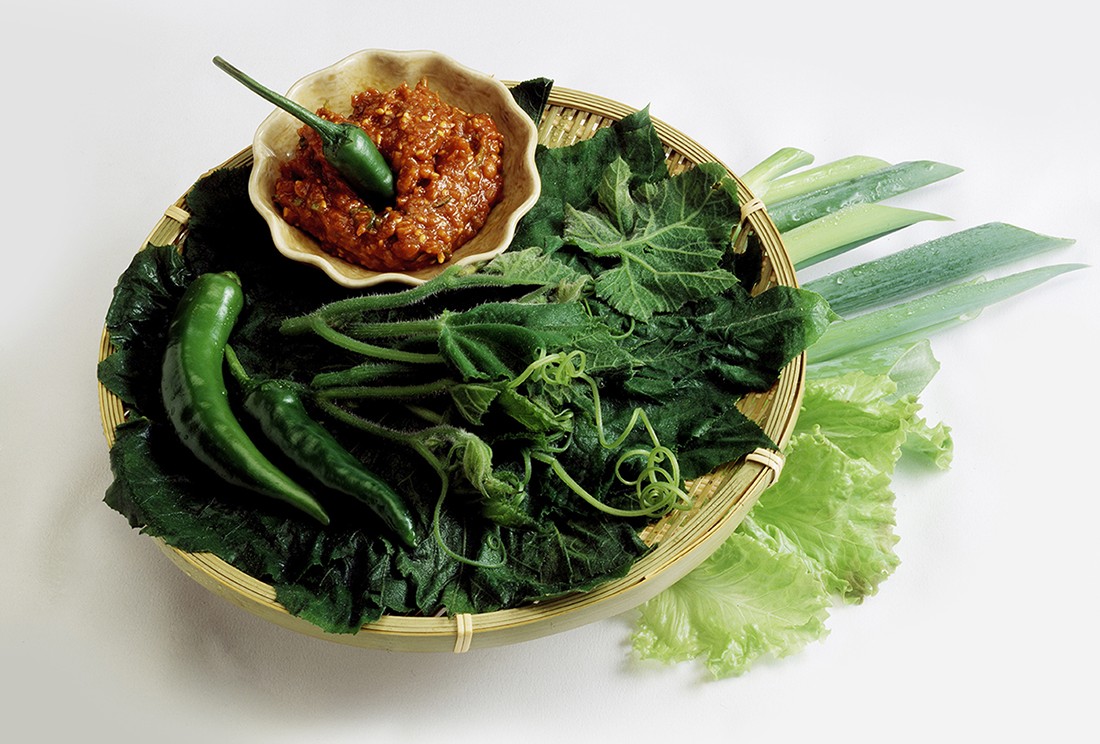
“Eating raw ssam (vegetable wraps) of lettuce, cabbage hearts, young spinach, or crown daisy when they are in season is very good in terms of nutrition, our appetite, our taste, and as a hobby, so I write down a simple disinfection method that will allow us to eat deliciously with peace of mind.”
For such reasons, ≪How to Make Joseon Food≫ introduces a method of disinfecting vegetables. The healthfulness of Korean foods made with seasonal ingredients is fully reflected in the passage. The method of sterilizing vegetables in ≪How to Cook Joseon Food≫ is as follows: △ Wash the vegetables several times in clean water, one leaf at a time, and drain them. △ Dissolve 2 teaspoons of tartaric acid in one doe (about 1.8 liters) of water, put the vegetables in it, soak them for 10 minutes, and carefully take them out and rinse the leaves one by one in cold water. △ Wash the vegetables several times to remove the odor, but wash them carefully so as not to tear them.
The book also states: “As lettuce leaves can be sterilized with oil, wash them clean several times in water, add 2 to 3 tablespoons of sesame oil in cold water and rinse the lettuce leaves one by one in it, and serve them.” Oil is a good sterilizer because no germs can live in it.
Seasonal Ingredients
and Various Recipes
There are many recipes in old books that indicate the season when the dish is good to eat. What is impressive with ≪How to Make Joseon Food≫, however, is that it indicates the best time to eat a dish, even though food is eaten nowadays regardless of the season. For instance, the best seasons to eat tteokbokki (stir-fried rice cake) and sinseollo (royal hot pot) are indicated as spring, autumn, and winter, and the right season to eat wheat flour dishes, which we eat all year round, is the sixth month of the lunar calendar because when cold winds start to blow, wheat flour dishes start smelling like wheat.
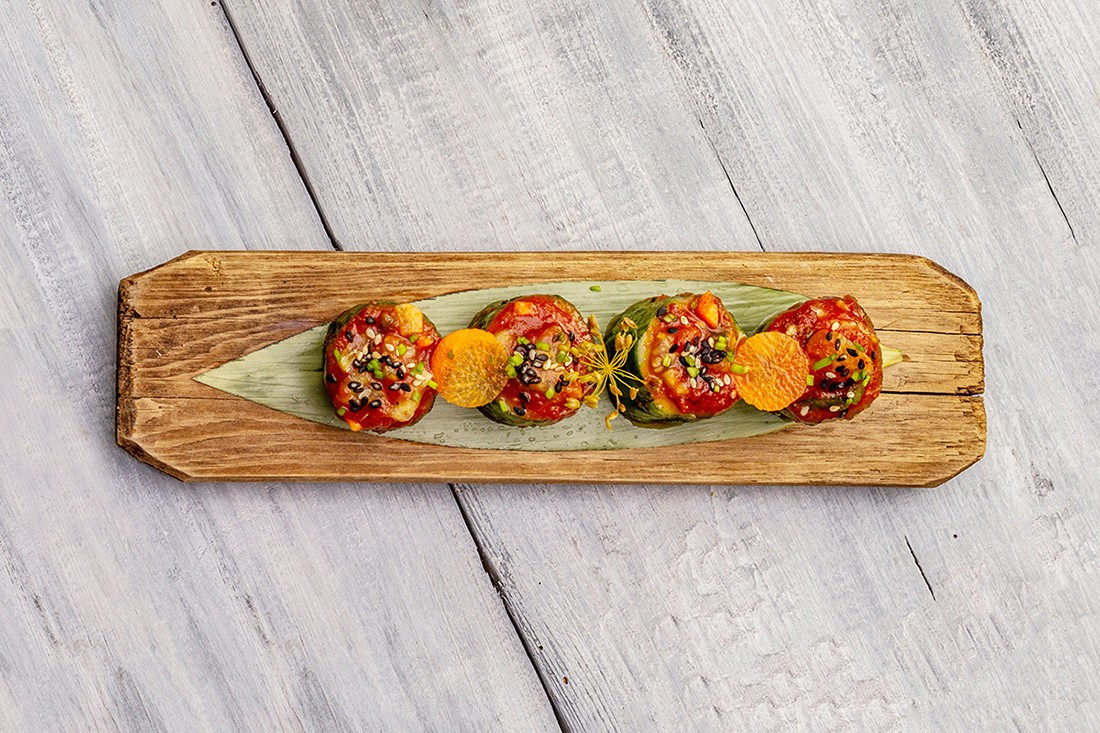
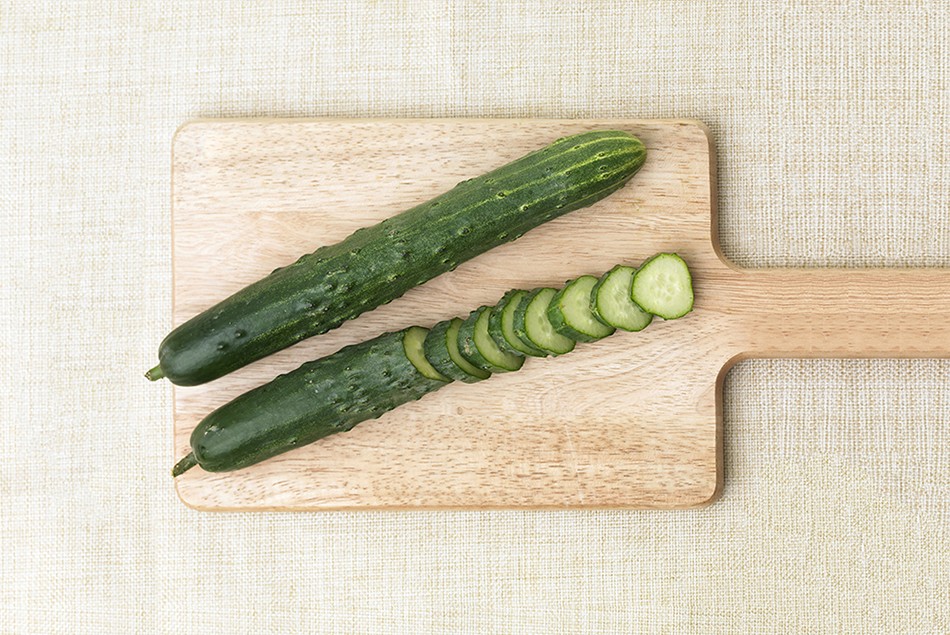
It is basic to prepare seasonal dishes that are good to eat in spring, summer, autumn, and winter using the seasonal ingredients for each season. What stands out is that each seasonal ingredient is reborn in a variety of dishes with a variety of recipes. For instance, cucumber, the representative vegetable of summer, offers different tastes with various recipes such as for steamed, stir-fried, pickled, and kimchi dishes; chilled soups; raw dishes; and mureum soup dishes; and the taste of croakers, the representative summer nourishing food, becomes colorful with various recipes that include sliced, salted, grilled, pan-fried, skewered, braised, fried, and steamed dishes; soups such as roe soup; stews; eochae; fillet dumplings; jerky; and pancakes.
There are recipes that live on until now, but the fun of reading old books is looking for recipes that are hard to find. ≪Joseon Yori Jebeop≫ introduces a recipe called amchi, which is a dried side dish made from salting croaker. The croaker is thinly sliced into pieces that are as big as Chinese dominoes, fried in a pan with a bit of oil, and boiled, after which the amchi is added and everything is stir-fried for a while and served as a side dish.
How to Make
Oi Mureum Guk
(Clear Cucumber Soup)
Ingredients(5 servings) 5 yellow cucumbers, 1/4 tofu, 1/4 geun (1 geun = about 600 g) beef, 3 green onions, a bit of pepper, 5 oyster mushrooms, 1 tbsp. sesame salt, 2 tbsps. soy sauce, 1 tbsp. red chili paste, 5 skewers, a reasonable amount of water
How to make it
① Make meatballs with half of the beef.
② Make a clear soup with the remaining half of the beef.
③ Wash the cucumbers and cut their stems into pieces that are 1 chi (about 3.03 cm) long.
④ Peel the cucumbers thinly and scrape their inside with the part where the top can be cut off.
⑤ Fill the inside of the cucumbers with meatballs, carve their stems to look like lids, and close the cucumbers with these carved stems.
⑥ If the cucumber stems taste bitter, discard them. Coat the part of each cucumber where the stem is with flour, dip it in the egg, and fry it in the frying pan.
⑦ Skewer the cucumbers so that their lid will not come off.
⑧ Put the cucumbers in the boiling soup, dissolve the red chili paste in the soup, slice the oyster mushrooms, and boil the soup a little more. Put everything in a bowl and garnish it with egg strips on top.
⑨ Add less water than soup, and add a bit of red chili paste into the meatball that goes into the cucumber.
Source: ≪How to Cook Korean Food≫
Seasonal Ingredients
and All-season Recipes
All-purpose sauces, all-purpose broths, and all-purpose seasonings made with golden recipes that give the best taste to any dish are popular these days. They can be used in a variety of dishes and are easy to cook. Of course, they also enhance the flavor of the food.
These all-purpose recipes also exist in old books. They are all-season recipes that can be used throughout the year, but their flavor changes according to their seasonal ingredients, so eaters could enjoy new flavors each season at Korean tables.
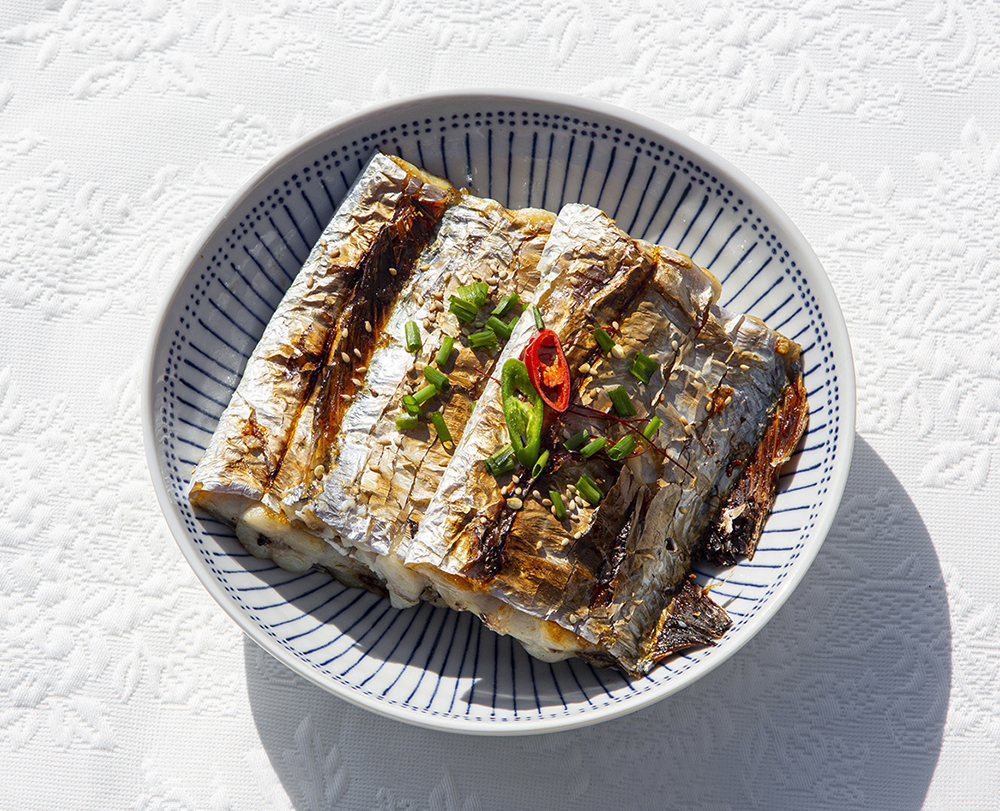
(All Seasons)
How to Make Fish Jijimi
(Stew)
How to make it
① Fish can be made into any dish depending on the season. You can use cod, pollack, cutlassfish, mackerel, yellowtail, or seasonal fish.
② Cut radish into pieces and place the pieces in a pot.
③ Prepare the fish properly, cut it into pieces, and put the pieces in the pot.
④ Add thinly sliced green onion, garlic, and ginger.
⑤ Chop the whole red pepper into pieces.
⑥ Add a suitable amount of water and season it with red chili paste and soy sauce.
⑦ Pour the mixture into a pot, boil it, and serve it in a pot as it is.
Source: ≪How to Cook Korean Food≫
How to Prepare for
the Demand for
Out-of-Season Foods
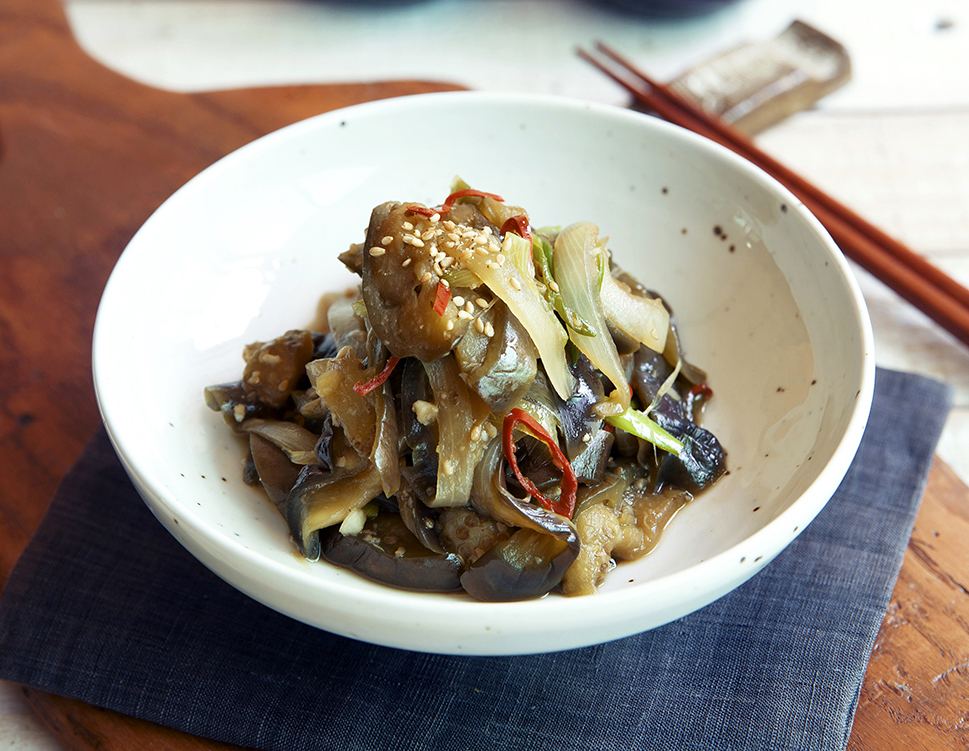
Ingredients that vary according to the season introduce the fresh taste of that season on a Korean table, but it is difficult to taste that flavor in other seasons. This is one of the reasons why Korea’s unique cooking methods such as fermentation, pickling, drying, frying, etc. have been developed.However, there are recipes of dishes that are nutritionally better off-season. ≪Joseon Moosang Sinsik Yori Jebeop≫ introduces a seasoned eggplant recipe and states: “Cut and dry the eggplant. Soak it in water in winter or on the New Year, add minced meat, soy sauce, green onion, oil, and sesame salt; and stir-fry it. It will be better than eating it in its season.”
Meanwhile, old cookbooks recommend ways to eat seasonal vegetables and fruits in other seasons. ≪Eumsik Dimibang≫ introduces “How to Use Out-of-Season Vegetables”: “△ Make a cellar in front of the stable and spread fertilizer and soil in it. △ Plant angelica, mountain leaf mustard, green onion, and garlic. △ Cover the cellar with the fertilizer.
△ Vegetables will grow as the cellar is warm. Use these vegetables in winter.
△ Cucumbers and eggplants can also survive the winter this way.” This seems to be a type of “home gardening,” like today’s kitchen garden.
≪Bakhaetonggo≫ introduces how to store fruits. The first method is to put the fruits with dry sand or sesame seeds in a jar and keep the jar tightly sealed. The second method is to cut a bamboo tree, make a hole, put the fruit in it, and seal it. It is said that the fruit’s color and taste will not change even after a year. It is also advised that fruits and alcohol not be exposed to the scent of musk or they will be spoiled.
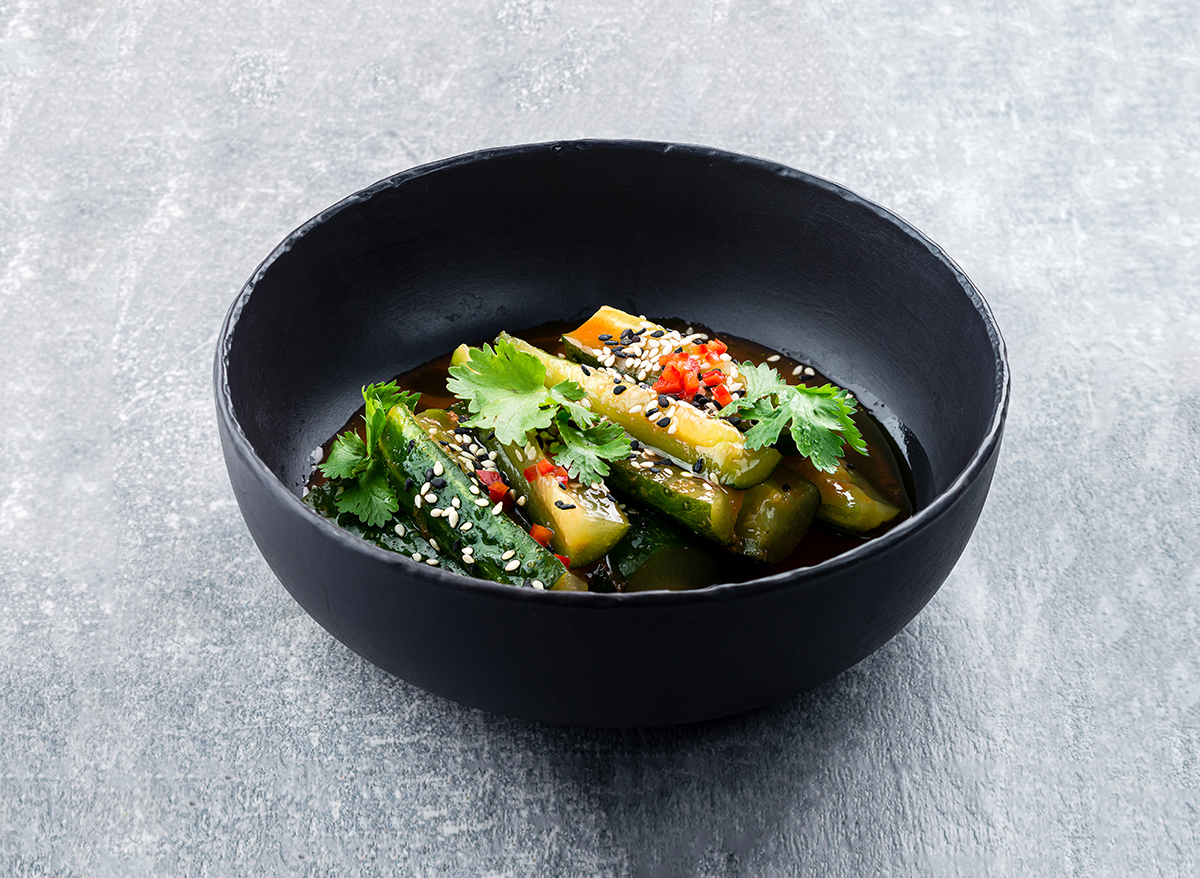
How to Make
Seasoned Eggplant 1
Ingredients
Eggplant, soy sauce, oil, sesame salt, vinegar, green pepper
How to make it
① Remove the stem of the eggplant, wash the eggplant, cut it lengthwise, and lay it on the pot lid or steam it in a steamer.
② Peel the eggplant, remove all the seeds, and tear it with your hands.
③ Add soy sauce, oil, sesame salt, vinegar, and a small green pepper, and mix everything.
How to Make
Seasoned Eggplant 2
Ingredients
Eggplant, meat, soy sauce, green onion, oil, sesame salt
How to make it
① Divide the eggplant and dry it. Later, soak it in water, and then squeeze out the water.
② Add minced meat; season with soy sauce, green onion, oil, and sesame salt; and stir-fry.
Source: ≪Joseon Moosang Sinsik Yori Jebeop≫ (Lee Yonggi, Ricetree)