


한식에 대한 다채로운 이야기를 전하는 온라인 매거진
Vol 42. Seasonal Foods
The Taste of Summer: Green and Red Recited with Summer Songs and Poems
There are songs and poems that we think of in spring, summer, autumn and winter. As we hum and recite the songs and poems of the season, we start to experience the true flavors and charms of the season. The following are the green and red tastes of summer found in Red Velvet's Red Flavor, which we think of when it comes to summer songs, and Sister Lee Hae-in’s Summer Diary 3 that explores the summer in depth.
Data : Korea Agricultural Marketing Information Service–KAMIS(www.kamis.or.kr)
Refreshing Green Flavor of Summer at Its Peak
On a summer day when I miss the sea,
I make cold seaweed soup
by slicing cucumber and adding ice cubes.
- From Summer Diary 3 by Lee Hae-in -
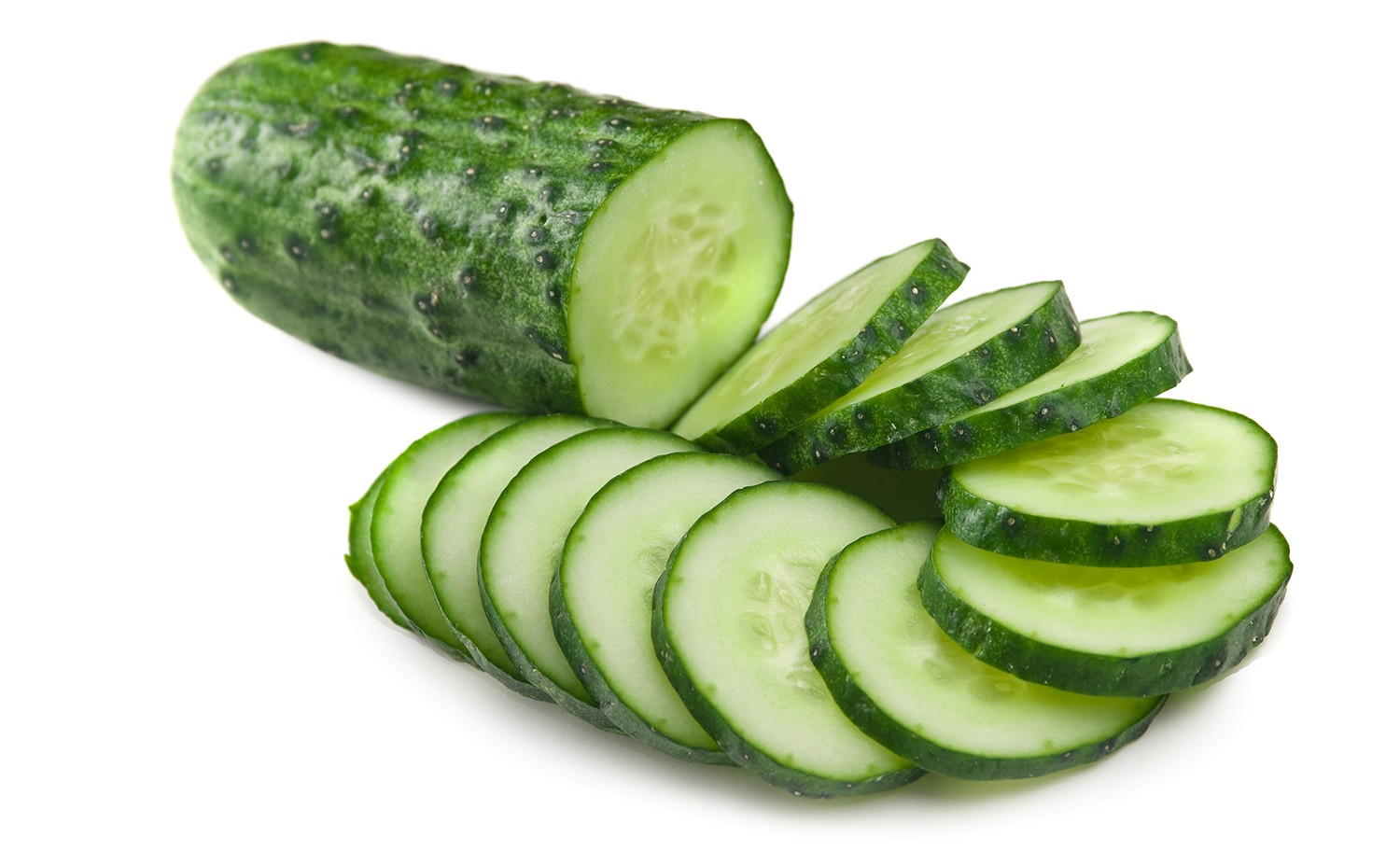
Cucumber
Features and Nutritional Components
Cucumber, which consists of 95% water, boasts a unique freshness and crunchiness. Rich in moisture and potassium, it helps quench one’s thirst and discharge waste from the body. It contains vitamin C that is beneficial for the skin and for recovery from fatigue. It is good to eat with a pear, because the pear’s cooling effect and the cucumber’s diuretic effect help each other. Its calorie content is 11 kcal per 100 g.
How to Choose
- A cucumber with a fresh stem, a firm flesh, and a lean and uniform shape is good.
- Choose one with a dark and soft color. One with about 5 cm of dark green color from the stem is a good cucumber.
- The ones that are too thick contain a lot of seeds and may not taste good.
- The ones with prickly thorns are fresh.
Storage and Care
- After washing cucumbers, remove the water, wrap them one by one with a kitchen towel or wrap, and store them upright in the refrigerator.
- Store the stem part upright. It can be stored in the refrigerator (7–10℃) for 5–10 days.
- If you keep cucumbers frozen, the moisture will escape and the crispy texture will be lost, so they should be eaten raw.
- Before storing them in the freezer, it is recommended that they first be sliced, lightly salted, and pickled; that the water be squeezed out; and that the sliced cucumbers be subdivided and frozen.
- When eating cucumbers raw, rub the surface with coarse salt and rinse it with water to remove the bitter taste. Remove the stem part because it has a strong bitter taste and pesticides may be concentrated on the tip.
- Usage: Various salads, stir-fried and seasoned dishes, kimchi, pickles, cold seaweed soup, and seasoned salad dishes
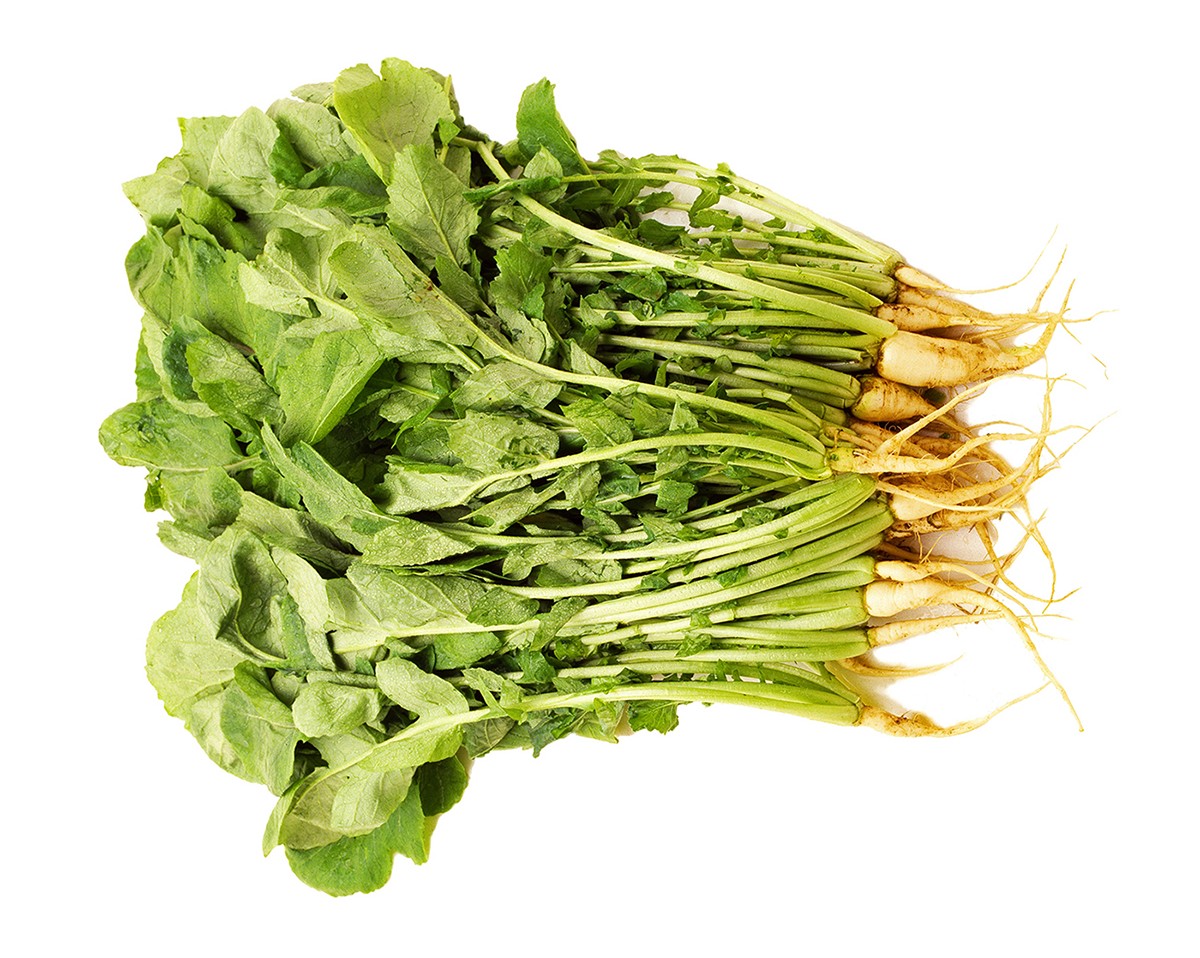
Yeolmu (Young Summer Radish)
Features and Nutritional Components
Yeolmu, which means “young radish,” is mainly eaten as kimchi, with its bitter-tasting roots and fresh radish leaves. The cool taste of summer radish improves one’s appetite. It is an alkaline food rich in fiber and low in calories (17 kcal per 100 g). It contains large amounts of the vitamin B group, vitamin C, beta-carotene, and saponin, so it is good for energy recovery and for regulating blood pressure.
How to Choose
- Choose the ones with fresh leaves with a light red color.
- The ones with moisture on the cross-section when they are cut are good.
- Choose the ones that are short and have a slender root. Overgrown radishes can be tough.
- If the leaves are too thin, they may quickly soften, so the ones with thick stems are better.
Storage and Care
- If you wrap the young radish in newspaper or a kitchen towel and store it in the fresh foods compartment of the refrigerator with its bottom facing down, it can be refrigerated for 2–3 days.
- If you will store it longer than that, it is better to blanch it in boiling water, squeeze the water out slightly, wrap it, and store it in the freezer.
- Its leaves can also be dried in a shady and windy place and used as siraegi (dried radish leaves).
- Remove the outer leaves that can be used as siraegi and scrape off the dark part between the root and the stem of the radish with a knife. Then rinse it thoroughly in clear water.
- Be careful when cooking it as it may emit a smell of grass if you stir it too much.
- Soak withered leaves in water as they come to life quickly before using them in cooking.
- For yeolmu bibimbap, chilled sea snail and yeolmu salad, yeolmu kimchi, pickled yeolmu, yeolmu salad, etc.
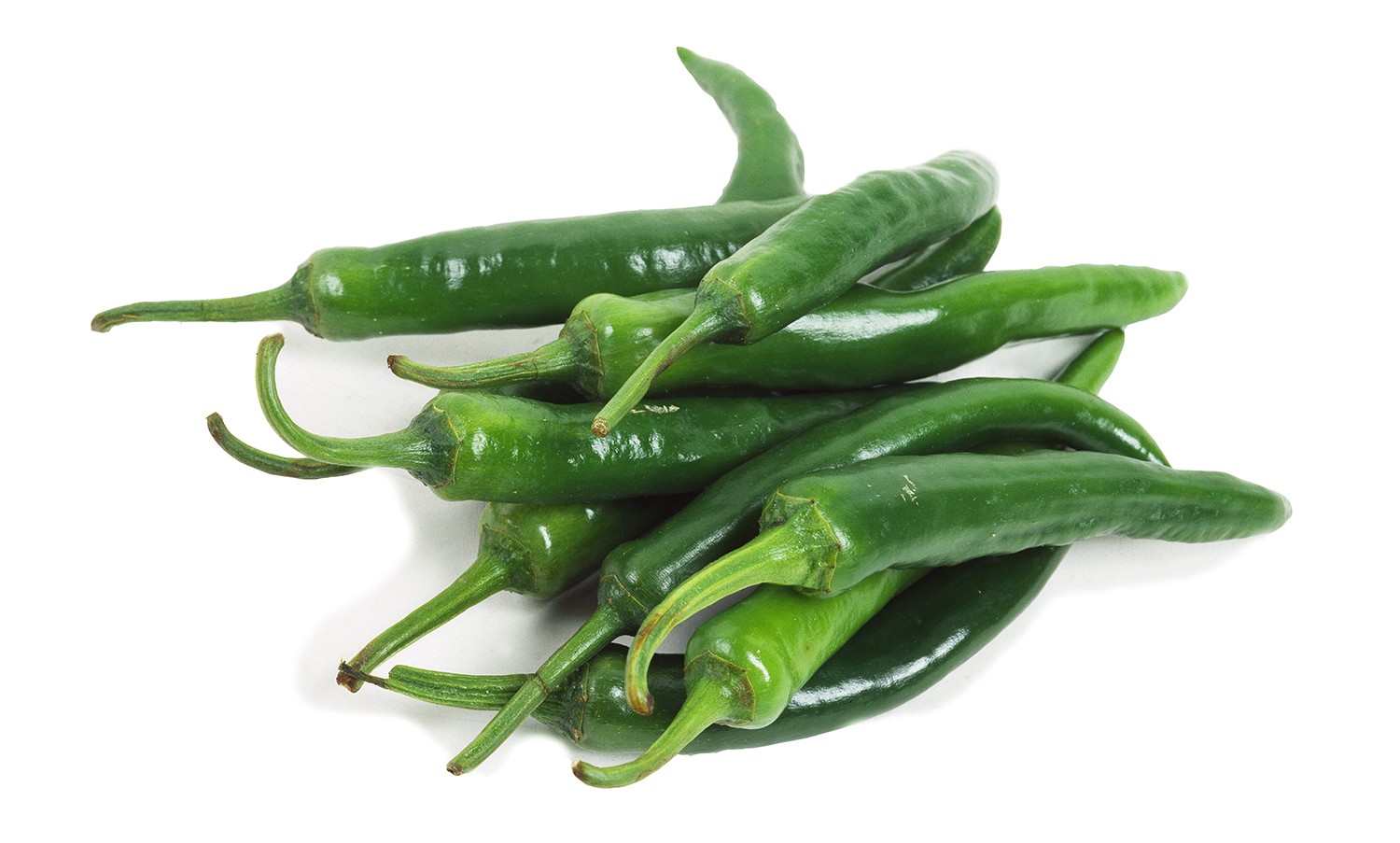
Green Chili
Features and Nutritional Components
It contains capsaicin, which is breaks down body fat. It contains 18 times more vitamin C than apples, so it provides sufficient vitamins to help boost recovery from fatigue. Red chili has good food compatibility with soybean paste, as the protein in soybean paste and the vitamins in green chili complement each other.
How to Choose
- The shape and size should be even, and the skin should be smooth.
- Avoid the ones with uneven black and light green colors and that are bent and have different sizes.
- The stem should be fresh and glossy. Avoid the ones with a bruised, unclean, or blackened stem and blackened seeds.
- The ones with hard flesh are spicy, and those with softer flesh are usually less spicy.
Storage and Care
- For short-term storage, wrap them in newspaper or a plastic bag and store them in the refrigerator.
- For long-term storage, remove the seeds first; but if you will store them whole, they will become mushy, so it is better to chop them and freeze them.
- When storing them in the freezer, cut the chilis diagonally for stew, and store them in a Ziploc bag flat. Frozen chili can be added directly to the stew without thawing.
- Usage: For raw, stir-fried, pickled, and fried dishes, etc.
Data. Korea Agricultural Marketing Information Service–KAMIS(www.kamis.or.kr)