


한식에 대한 다채로운 이야기를 전하는 온라인 매거진
Cleaner, Smarter Lifestyle: Hansik as a Path to “Zero Waste” Culture
Curating Youthful and Flavorful Eating
As environmental awareness evolves from optional to essential, individuals are incorporating zero waste principles throughout their everyday routines. They frequent package-free stores, promote sustainable fashion via garment repurposing, and embrace simplified interior design that minimalizes ownership and purchasing. Yet nowhere is waste reduction more urgent than in our kitchens and dining rooms. Since food remnants build up with every meal, we explore Korean cuisine or “Hansik” which emerges as an impressively effective key to this growing challenge of responsible consumption.
Why Every Meal Should Embrace “Zero Waste”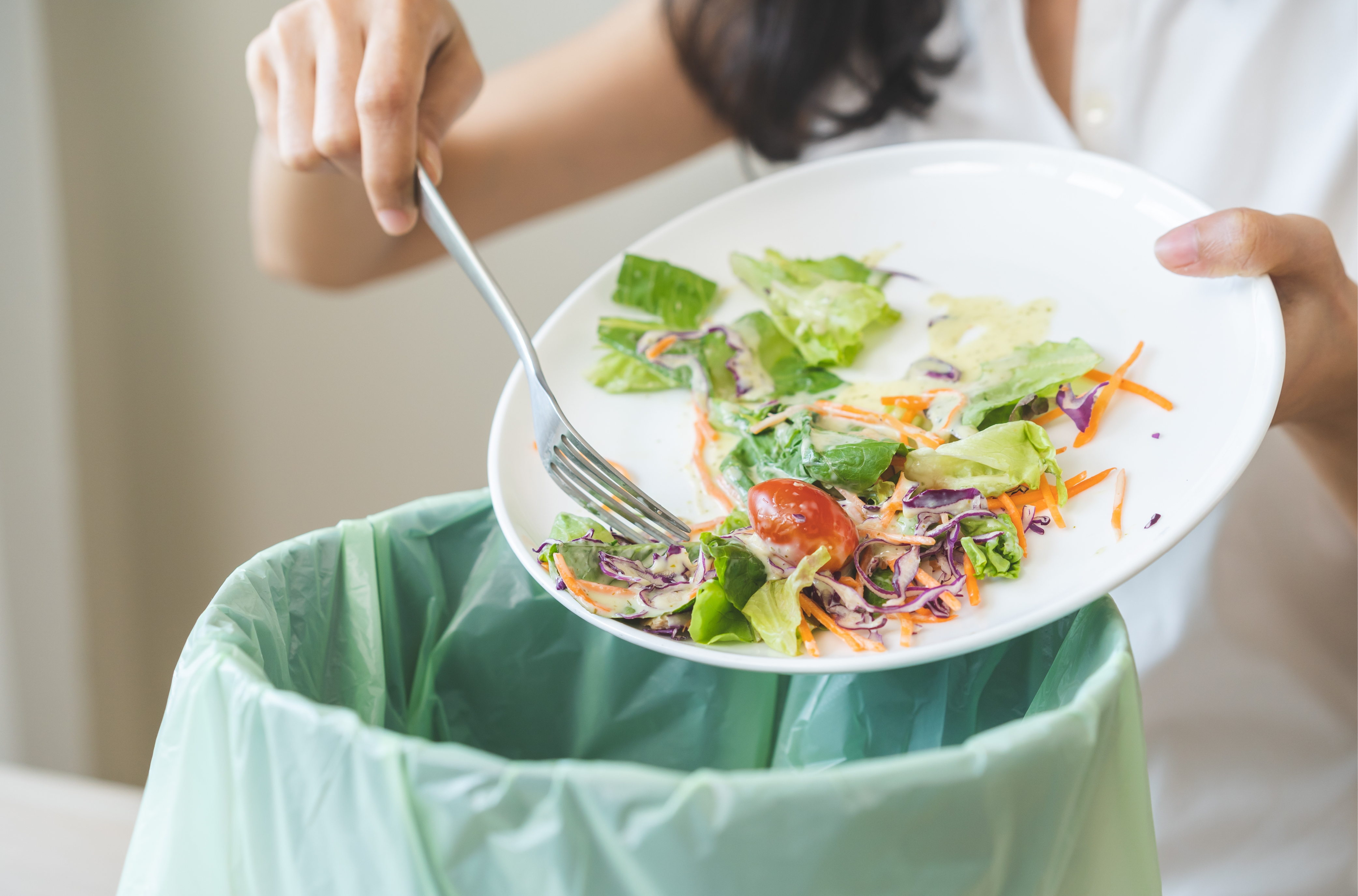
The UN Environment Programme’s 2023 findings paint a stark picture: nearly 930 million tons of food waste generated globally each year—equivalent to one billion meals discarded daily. This staggering surplus becomes an environmental dilemma as it decomposes in landfills and incinerators, releasing greenhouse gases that account for 8-10% of global emissions. In particular, methane emissions from decomposing food prove particularly devastating—25 times more potent than carbon dioxide in accelerating climate change. Consequently, food waste has shifted from basic refuse problems to become a major catalyst for environmental catastrophe. International environmental experts consistently maintain that “minimizing food waste provides the most rapid and cost-effective climate action we can take.”
Korean Cuisine: Where Ancestral Wisdom Meets Zero Waste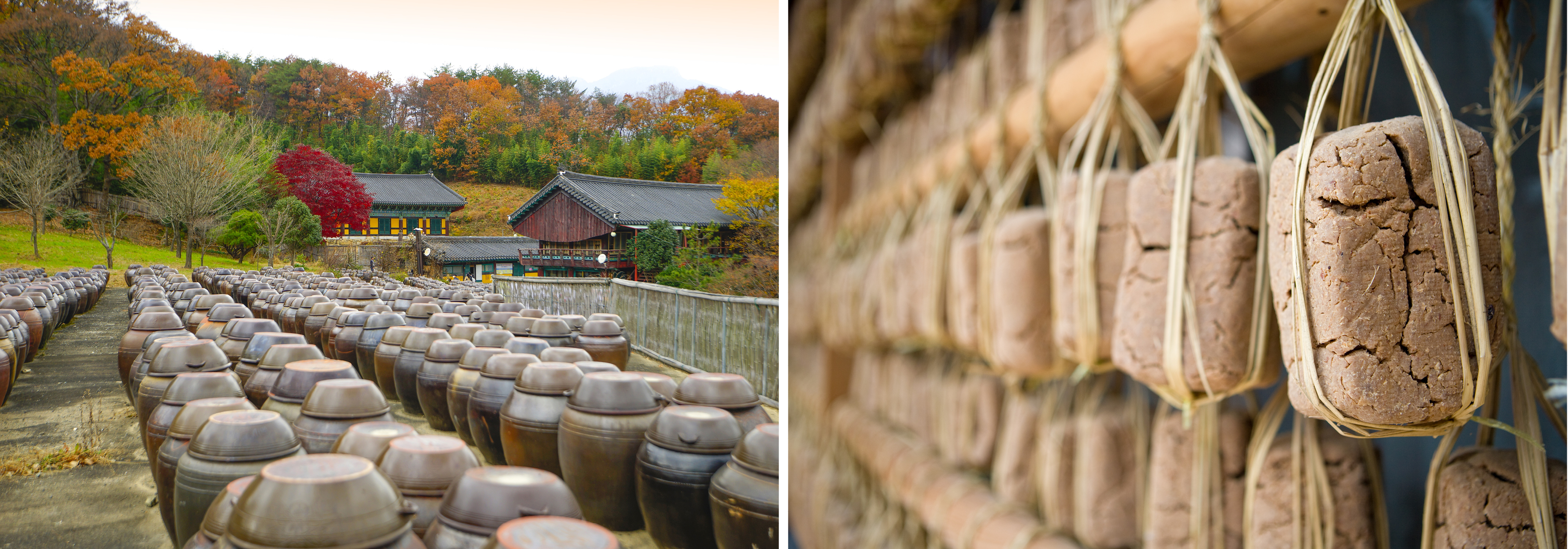
Though zero waste dining may appear daunting, Koreans have an inherent edge. Hansik developed as a brilliant framework for conserving resources and minimizing waste. Well before modern refrigeration existed, Korean chefs perfected fermentation and preservation methods that converted excess ingredients into enduring culinary treasures. Kimchi, jangajji(pickled vegetables), and jeotgal(salted seafood) demonstrate this prudent approach. Beyond cabbage, cooks fermented radish, mustard greens, young radish, and chives—preserving each season's bounty for year-round enjoyment. This fermentation mastery, which rescued ingredients from seasonal waste, represents outstanding zero waste practice that modern sustainability advocates are only beginning to rediscover.
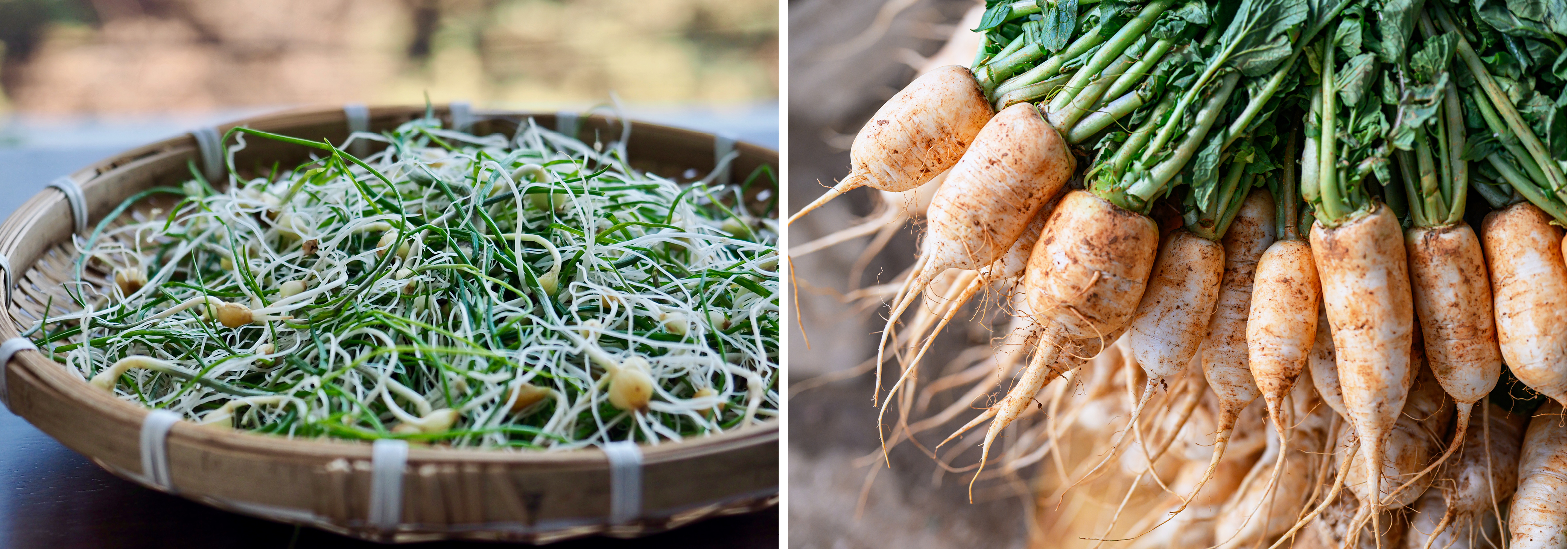
Korean cuisine champions the philosophy of “whole ingredient utilization.” Radish leaves, typically undervalued elsewhere, have long been consumed as siraegi (dried radish leaves) in Korean kitchens. Mushrooms and burdock root, after serving their purpose in broth-making, find new life as the starring ingredients for “jorim(braised dishes)” preserving their tender texture. This comprehensive approach—utilizing everything from vegetable roots and stems to peels—exemplifies the frugal nature of Hansik tradition.

Hansik cultivates a sophisticated culture of repurposing leftover broths and seasonings. Rich kalguksu (noodle soup) stock is transformed into nourishing porridge, while the complex sauce from agwijjim (braised spicy monkfish) becomes the foundation for aromatic fried rice. Remaining side dishes from the refrigerator find new purpose as ingredients for bibimbap and gimbap. By treating leftovers as fresh ingredients, this approach dramatically helps reduce food waste.
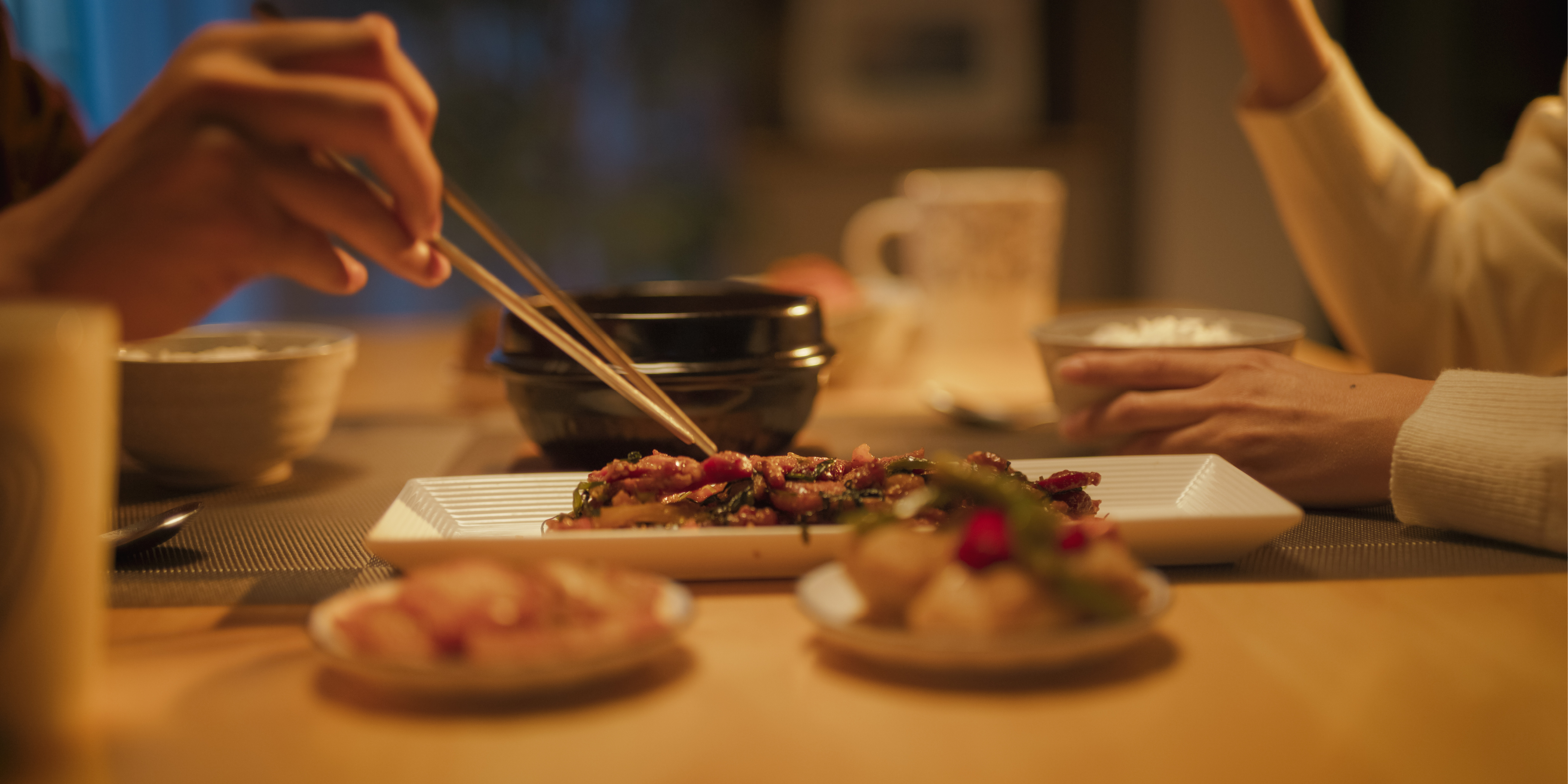
At its core, Hansik dining culture revolves around sharing communal eating. In contrast to Western individual portions, Korean meals unite diners around shared dishes where side dishes and main courses are collectively enjoyed. Diners consume only their desired portions, and this meal structure inherently reduces waste—a social practice that transcends mere tradition to become practical sustainability wisdom.
One Meal, One Step Toward Sustainable Living
The internationally acclaimed zero waste movement of today actually mirrors values deeply embedded in Hansik traditions. Fermentation and preservation techniques, whole-ingredient utilization, leftover transformation, and shared dining—these time-honored culinary wisdoms gain renewed relevance during our ecological emergency, seamlessly contributing to carbon footprint reduction and resource preservation.
Nevertheless, the cultural tradition of “jinsusungchan”—lavish spreads featuring countless dishes—demands thoughtful restraint. Traditional Korean table d’hôte with their expansive array frequently produces avoidable food waste. Although Hansik’s genuine character emphasizes economy and sharing, considerate modification for today’s lifestyle will complete the zero-waste dining experience. Ultimately, preserving our planet isn’t a remote objective—the remedy lies within every mindful Korean meal we craft and share.
References
KBS News “United Nations: Food Equivalent to One Billion Daily Portions Wasted...Impacting Carbon Emissions”, EduMorning “Creating a Zero-Waste Table Together as a Family on Weekends”, Michelin Guide “Korea's Fermented Foods Gain Global Recognition”, Green Post “Is ‘Zero Waste’ Boom an Achievable Mission?”, Vegan News “Food Waste: The Hidden Enemy of Climate Crisis...Change Must Begin at Our Tables”