


한식에 대한 다채로운 이야기를 전하는 온라인 매거진
Hansik: At the Heart of the World’s Beloved Plant-Based Cuisine
Curating Youthful and Flavorful Eating
Vegetarianism is often perceived as difficult, complex, or something that demands special dedication. Yet, vegetarian diets have long been part of daily life for many cultures worldwide. While some follow plant-based eating for religious reasons, an increasing number of people today are choosing it for health benefits, environmental concerns, and overall well-being. In the midst of this evolving landscape, one surprisingly fitting answer is drawing fresh attention: Hansik, traditional Korean cuisine.
The Rise of Vegetarianism as a Mainstream Choice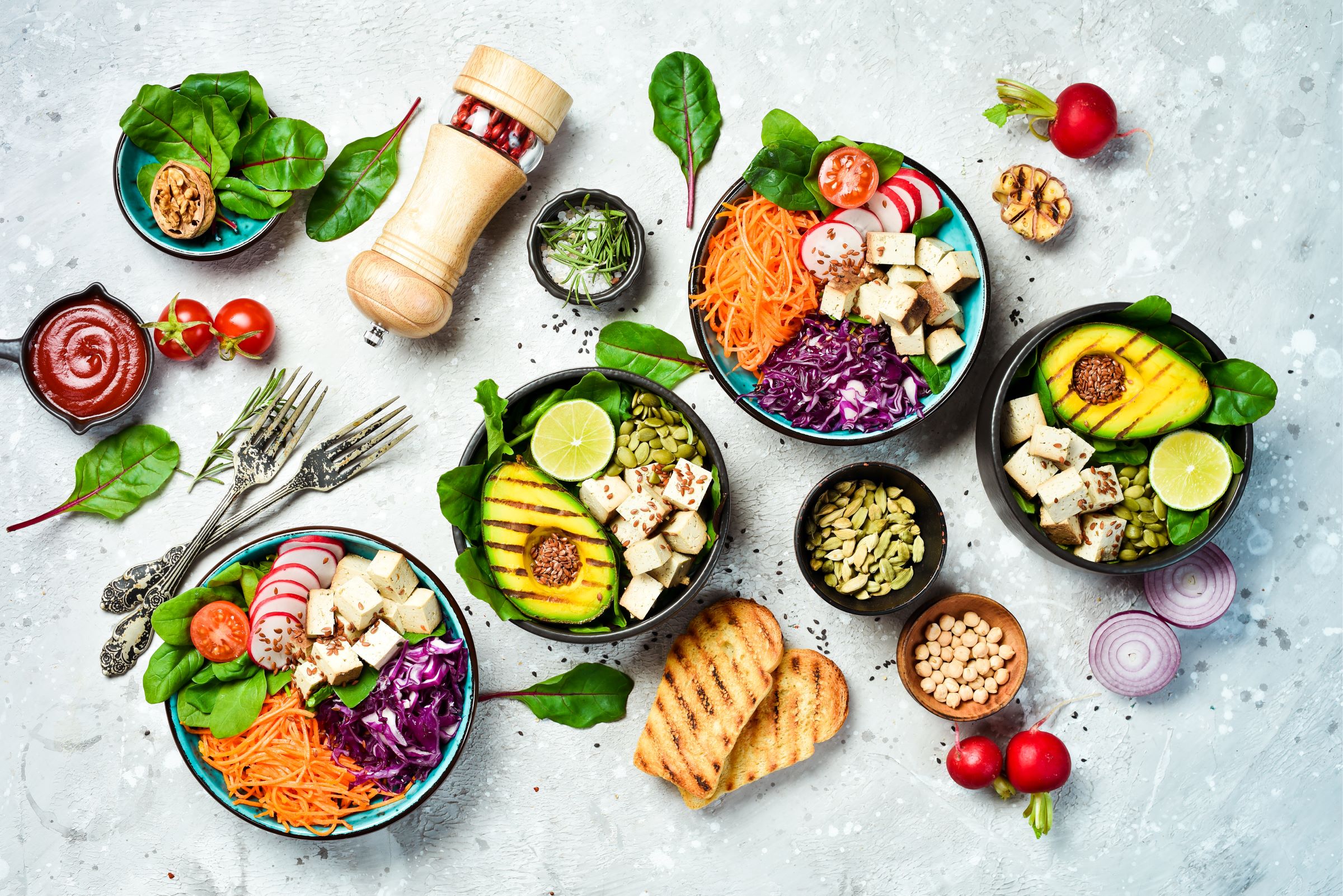
Vegetarianism has a long and rich history as a food culture. While it originally emerged from religious traditions and was passed down through various regions and cultures, it remained a niche and specialized dietary choice for much of its existence. In recent years, however, vegetarianism has reemerged around the world, gaining traction and rising in popularity at a strikingly fast rate.
One major turning point was the COVID-19 pandemic. The sudden surge in interest in healthy eating sparked widespread movements aimed at boosting immunity and improving dietary habits. At the same time, rising environmental awareness——centered on eco-friendly consumption, animal welfare, and sustainability for climate crisis mitigation——began to reshape global food culture. Dietary trends such as flexitarianism, which encourages reduced or flexible meat consumption, and clean eating, which emphasizes natural over processed foods, also played a role in popularizing vegetarianism. Since these approaches are accessible to many and offer benefits for both personal health and the planet, the demand for plant-based diets has continued to grow steadily.
Hansik: Embracing the True Value of Vegetarianism
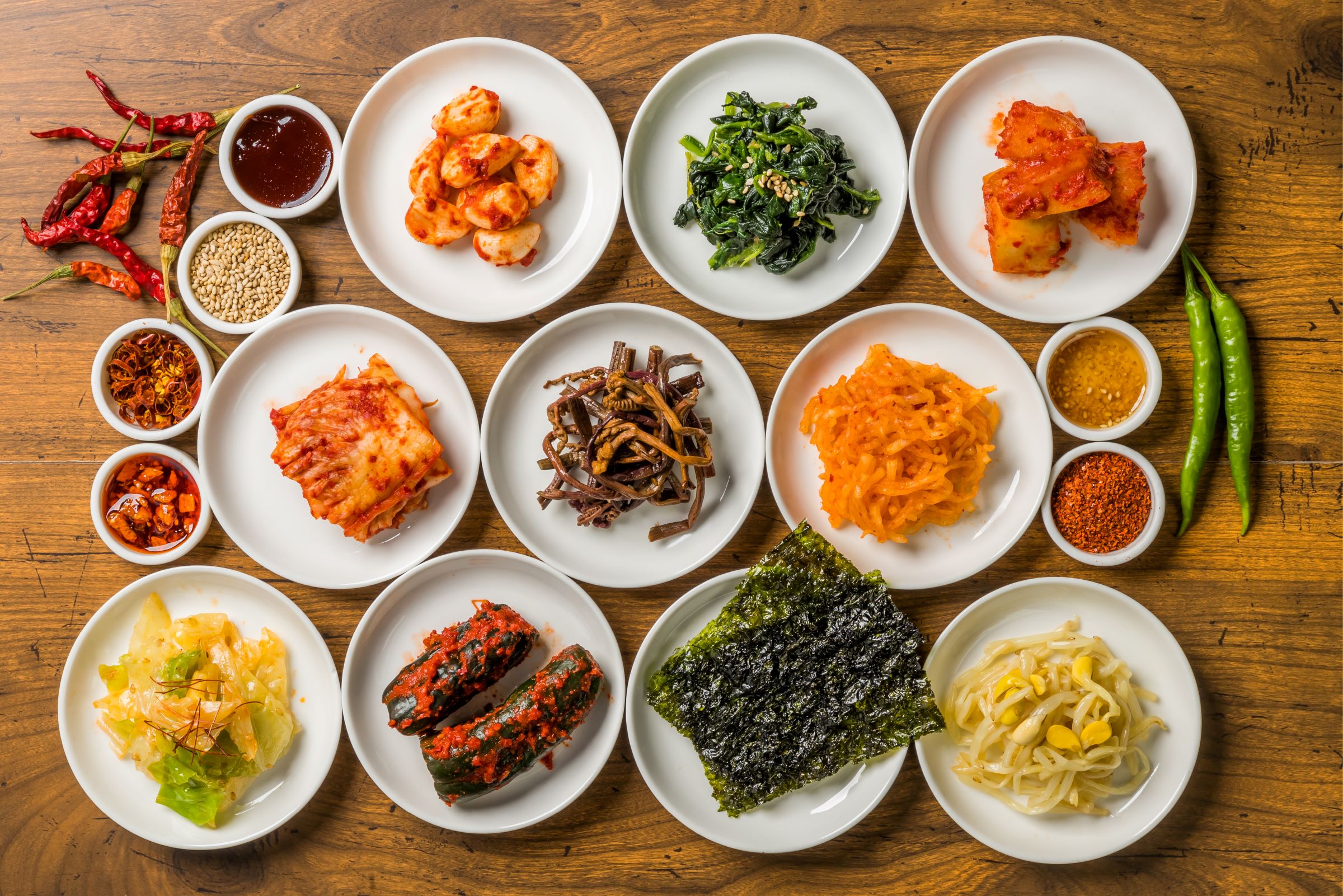
Bulgogi, pork belly, short rib soup, and stir-fried pork... when people think of Hansik, a wide variety of meat-based dishes easily come to mind. However, Korean cuisine has long been rooted in plant-based ingredients. Key components like beans, diverse grains, and fermented condiments such as doenjang (soybean paste) and gochujang (red chili paste) have shaped a culinary tradition naturally aligned with vegetarian eating. In addition, Hansik features cooking methods that draw out rich and layered flavors—without the need for meat.
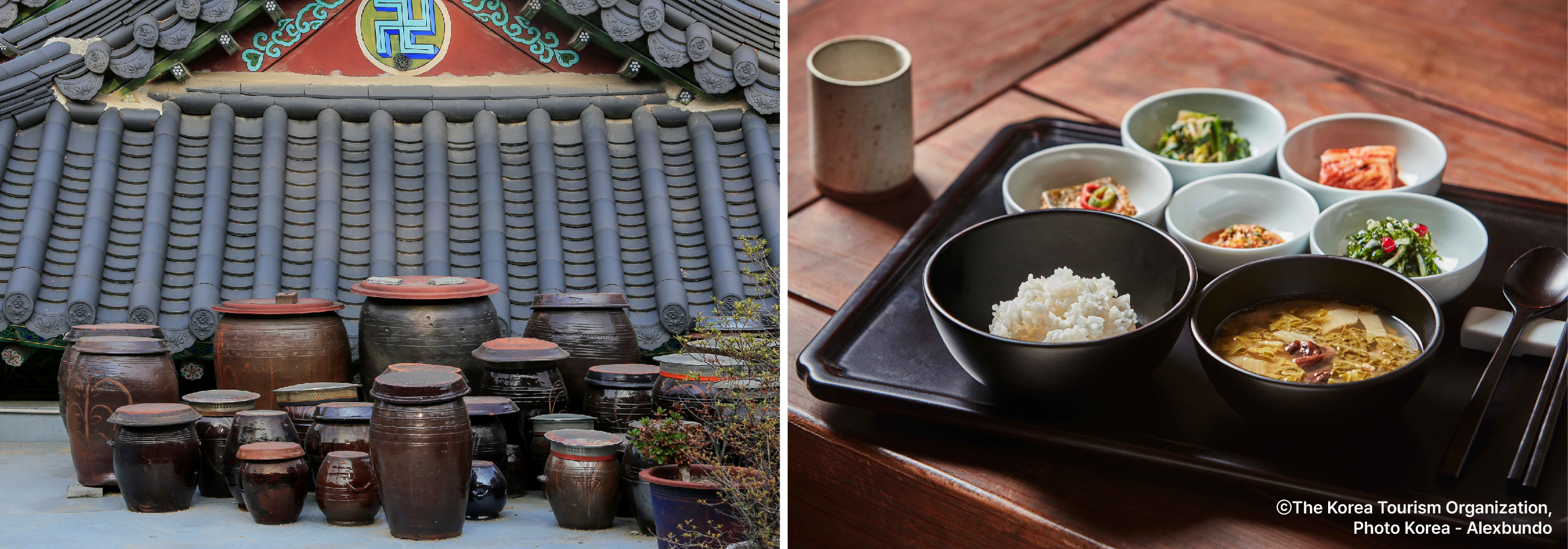
Temple cuisine is a prime example that best highlights the vegetarian essence of Hansik. Not only does it exclude meat, but it also employs natural ingredients and minimal, mindful cooking methods that generate little to no waste. This philosophy closely aligns with contemporary values like animal welfare and environmental sustainability—one reason temple cuisine is now receiving renewed attention as an outstanding plant-based way of eating.

A recent trend has further spotlighted the appeal of Hansik as a vegetarian option. Called “Seasonal Hip” or “Seasonal Core,” this movement reflects a growing appreciation for consuming ingredients at their peak, in their natural season, despite modern distribution systems making most foods available year-round. This shift in mindset closely aligns with the philosophy of temple cuisine, which emphasizes seasonal eating, and it resonates with Korea’s long-standing tradition of namul (seasoned vegetables). Together, these elements reinforce Hansik’s strength and versatility as a plant-based culinary tradition.
Vegan Hansik Winning Hearts Worldwide
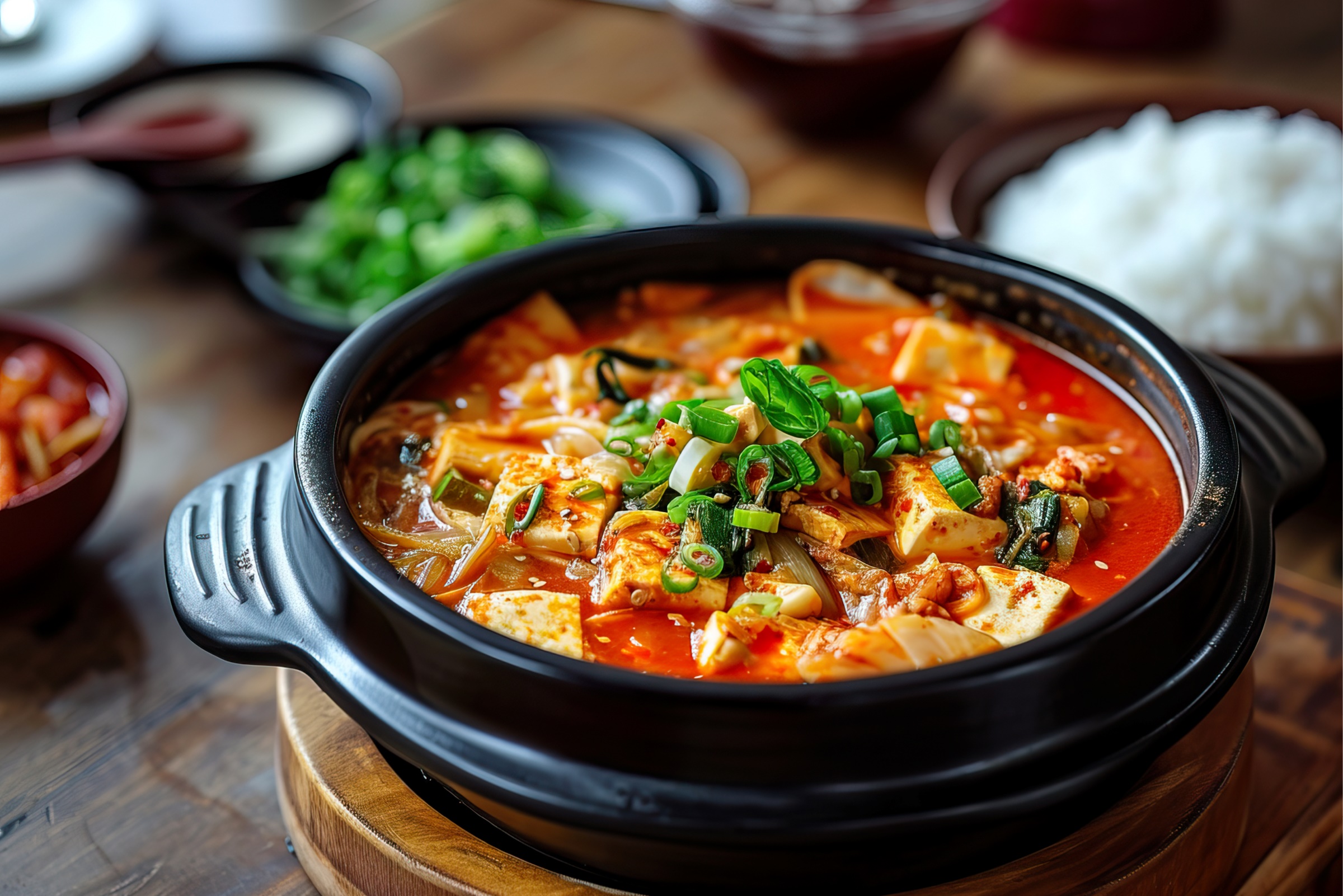
Hansik’s reputation as a vegetarian-friendly cuisine now reaches well beyond Korea. In the United States, sundubujjigae (soft bean curd stew) has gained widespread recognition as a standout vegan Hansik dish. Despite containing no meat, its deep, comforting flavor has made it popular enough to earn its own identity—simply called “Sundubu”—throughout the country. It’s a favorite on vegan restaurant menus, often drawing long lines. In fact, one Manhattan-based sundubujjigae restaurant welcomes over 500 customers a day on average, highlighting just how popular the dish has become.
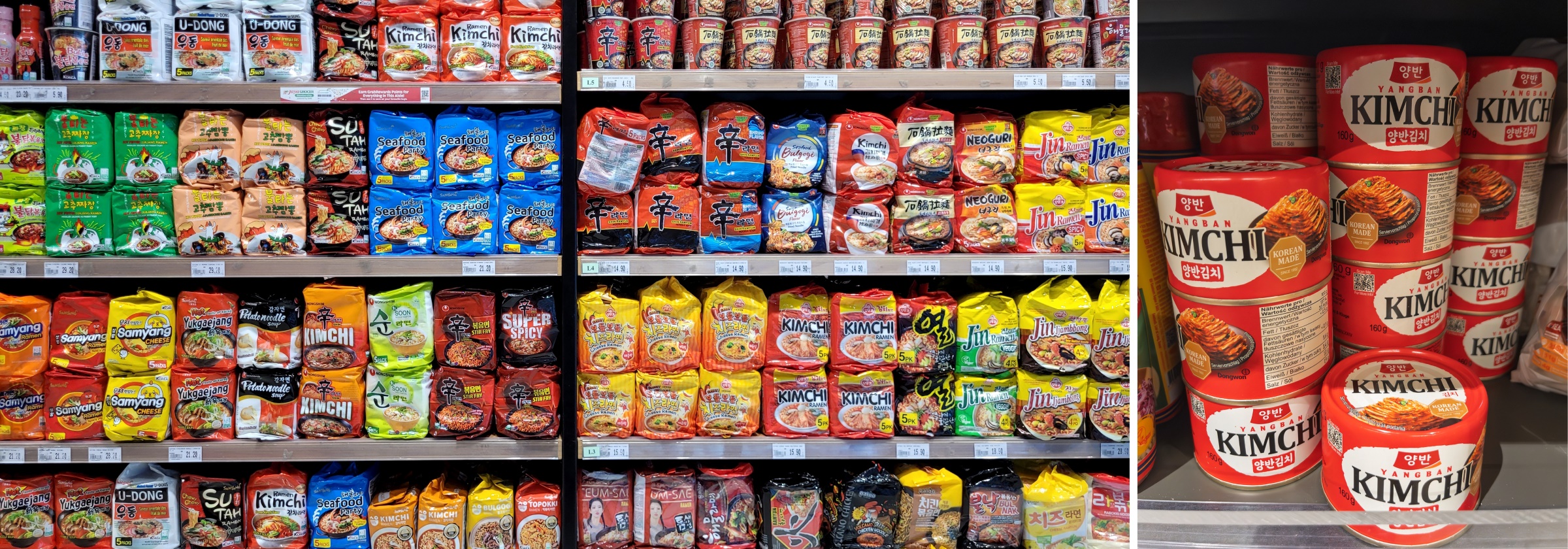
In regions like the Middle East and Southeast Asia, where vegetarian diets are often shaped by cultural and religious traditions, the appeal of vegan Hansik is continuously growing. By April 2025, exports of doenjang (soybean paste) to GCC countries in the Middle East had increased by 56% year-over-year, while gochujang (red chili paste) exports rose by 20.7%. In the latter half of 2024, the launch of halal-certified kimchi in Singapore helped position Hansik as a vegan-friendly option in the market. Meanwhile, the demand for halal-certified, plant-based Hansik sauces and instant noodles continues to surge, with products increasingly stocked on local store shelves to meet escalating consumer interest.
Setting a New Standard for Vegetarianism
Hansik has long embraced vegetarian elements as a natural part of its culinary tradition, and it is now gaining recognition on the global stage. From rich, fermented pastes that add depth without the need for meat, to seasonal ingredients that reflect the cycles of nature, and the mindful, minimalist approach of temple cuisine... These characteristics resonate strongly with today’s global food values. In a world increasingly focused on health, sustainability, and diversity, Hansik isn’t just keeping pace with the plant-based movement; it’s helping to define it, emerging as a standout model for plant-based cuisine worldwide.
References
Baedal Minjok, Top Picks for a “Vegetarian Diet”, Chosun Biz, “K-Ramen and Sauces Win Over 59 Million in the Middle East: 43% Growth in the Halal Market”, Food Slow Letter, “Don’t Miss This Flavor—It’s in Season!”, JoongAng Ilbo, “Fermented and Plant-Based: Temple Cuisine Recognized as National Intangible Cultural Heritage”, Korea Rural Economic Daily, “Kimchi Makes Its Way into Singapore’s 2 Trillion-Won Halal Food Market”