


한식에 대한 다채로운 이야기를 전하는 온라인 매거진
Vol 29. Corn & Potato
Using the pandemic event as the opportunity to advance the out-dining culture
Covid-19 and Korean Food
Using the pandemic event as the opportunity to advance the out-dining culture
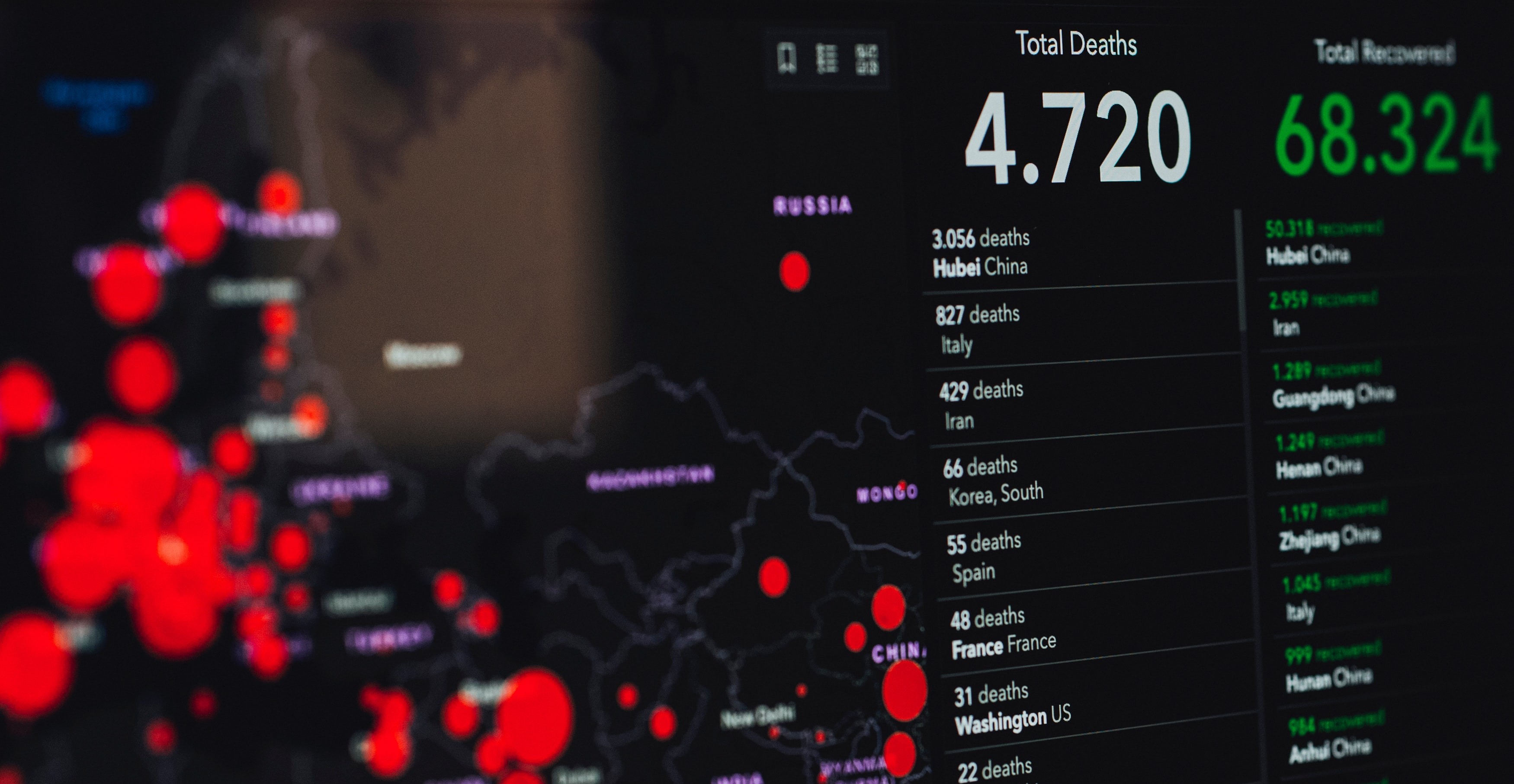
Korea has been overcoming the covid-19 crisis faster and more exemplary than any other country in the world. The government has spread all information quickly and transparently, effectively spreading the preventive measures, and as a result of the strict adherence to the preventive measures, the people maintain the current living disinfection.
However, people's desperate issue is the economy. As the pandemic is prolonged, the food service industry was also affected hard. This is due to the substantial reduction in the number of out-dining between family members and acquaintances as well as the office workers worrying about the spread of infectious diseases. The Korea Foodservice Industry Research Institute also reported that this year's index for foodservice business in January was marked the lowest since 2014, and there was also an article saying that the number of card use cases in the food and beverage sector decreased significantly before and after the Covid-19 spreading.
Under these circumstances, the Food service industry is looking for a breakthrough to overcome Covid-19 in its own way. There are increasing the number of restaurants taking into account spacing tables, wearing masks for workers, thorough disinfection inside of restaurants as well as considering customers' individual hygiene. In addition, as the consumption of convenient and safe online-oriented non-face-to-face consumption spreads, the use of packaging and delivery, and 'drive-through' has increased, restaurants also entered the lunchbox and 'meal kit' market and tried to increase sales actively.
“We will never go back, and we cannot go back,” said the Secretary-General of the World Health Organization. “There must be a “New Normal” that is healthier, safer, and better prepared,” he stressed, preparing for the post-corona era.
Preparation for new normal of the Food service industry
Start by improving meal culture
Now the food service industry also needs to prepare for 'new normal'. Improving the meal culture can be the beginning. The result of the ‘chopstick experiment’ announced in China a while ago was very shocking. When several people eat together and take the same food with their own chopsticks, the virus detected in the remaining food are up to 250 times higher than using common chopsticks. Covid-19 can spread the virus not only during the splash in the air but also during dining. Therefore, our dining culture, sharing a soup or side dish by several diners, is not an exception. This is the reason why I would like to speak out that the traditional table setting preserving the Korean sentiment should be changed more hygienically.
It is time for the food service industry to actively take steps to create new standards of personal hygiene and to improve the dining culture that can be enjoyed with confidence. Individual dishes, common spoons, and tongs to share food in person should be provided so that consumers can enjoy safe out-dining. In addition, the spoon cases that many people have reached must be changed. It is the consumers who are driving market trends and changing their perception of food culture. If consumers frequently eat out in search of “safe restaurants” that are not only tasty but also thorough in hygiene management, it will be an opportunity to protect all of us from the threat of Covid-19 and save the restaurant industry.
The government also announced and took action that it would change the long-established dining culture practices with Covid-19. It takes a long time and effort to change the dining culture. I believe that even if it takes time, as if we have set an international example in the prevention of Covid-19, the government's bold support and the local government, the foodservice industry, and the people will work together to advance the food service culture.
* This article is in my opinion and may differ from that of <Korean Food Promotion Institute>.

Written by. Kim Tae-hee
Professor, Department of Food Service Management, Kyunghee University